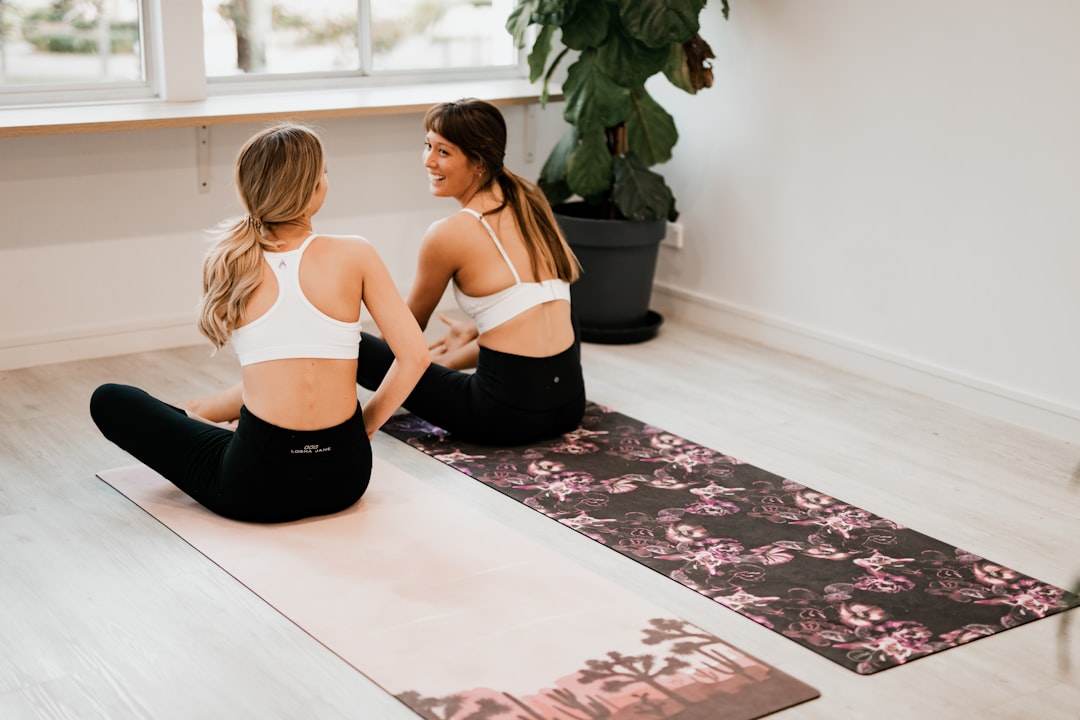
Starting your first gym session can feel overwhelming, especially with conflicting advice online. This guide breaks down exactly what to do over a simple 7-day plan, helping you build confidence and routine. It covers realistic workouts, managing time, and smart meal prepping using UK supermarket staples. No jargon, just straightforward steps to keep you consistent and comfortable in the gym environment.
Foundation: Why Simplicity Works for Your First Gym Session
When you’re new, trying to do too much can backfire. Simple, steady steps work because they build confidence and reduce overwhelm. Your body adapts best when you don’t push it too hard too soon. For example, focusing on one or two compound movements like squats or push-ups lets you work multiple muscles without complicated routines. This approach also fits your limited time—15 to 30 minutes per session is enough to start.
The science behind this is straightforward: consistent, moderate effort trains your muscles and habits without causing burnout or injury. Starting light means you learn gym etiquette naturally, which helps with feeling self-conscious. Remember, everyone was new once, and most people are focused on their own workouts, not judging you. For more on getting started at the gym, see our guide.
Practical Implementation: Your 7-Day Gym and Meal Plan
Here’s how to get going from day one, focusing on simple, repeatable actions:
- Day 1: Walk or jog lightly for 15 minutes, then try 2 sets of bodyweight squats and push-ups.
- Day 2: Rest or take a gentle walk; prepare batch-cooked meals like chicken, rice, and frozen vegetables bought from Aldi.
- Day 3: Repeat Day 1’s session but add 1 set if you feel comfortable.
- Day 4: Rest or active recovery – stretching or light cycling.
- Day 5: Try machines like the rowing machine or cross trainer for 15 minutes, then 2 sets of planks.
- Day 6: Use leftovers for meals; keep hydration up with water throughout the day.
- Day 7: Rest and reflect on the week.
Batch cooking saves time and money—cooking once and eating leftovers over a few days means less stress about food. UK supermarkets offer affordable essentials to keep your energy up. Keep your gym gear simple and bring a water bottle and towel to feel prepared.
Common Challenges and Mistakes to Avoid
Many beginners feel overwhelmed by conflicting advice or try to impress others with complicated routines. This often leads to quitting. Instead, focus on what you can do consistently. Avoid jumping into heavy weights or long sessions; this increases injury risk and gym anxiety.
Another mistake is skipping rest days. Recovery is where your muscles grow and your body adapts. Missing it can cause burnout and frustration. Also, don’t worry about using machines incorrectly—most gyms have staff who can show you how, or watch short tutorial videos before you go.
Feeling self-conscious is normal. Remember, most people are too busy focusing on their own workouts. Arrive with a plan, wear comfortable clothes, and keep your phone handy to check what comes next. This builds confidence faster than trying to memorise complex workouts.
According to the NHS weight loss guidance: The NHS recommends losing no more than 0.5–1kg (1–2lbs) per week for safe, sustainable fat loss.
Next Steps: What to Do Once You’ve Started
Once you’re comfortable with your first week, gradually increase your gym time or the number of sets. You might add simple weights like dumbbells or try group classes if you feel ready. The key is to keep it manageable and enjoyable.
You can also start tracking your progress in a notebook or on your phone—write down exercises, reps, and how you felt. This helps maintain motivation and gives you a clear sense of improvement. If motivation dips, revisit your initial reasons for starting and remind yourself that slow progress is still progress.
Don’t rush into complicated diets or extreme schedules. Stick with batch cooking meals you enjoy and build your routine around your life, not the other way around.
According to the Sport England Active Lives data: Sport England data shows that gym and fitness activity remains one of the most popular physical activities among 16-34 year olds in England.
Putting It All Together: Your Clear Plan to Keep Moving Forward
Your first gym session what to do UK guide boils down to this: keep it simple, consistent, and comfortable. Use a 7-day plan that balances light workouts with rest and easy, affordable meals from UK supermarkets. Focus on learning movements, building confidence, and avoiding overwhelm.
By the end of the week, you’ll have established a routine that fits your life, not one that adds stress. This foundation sets you up for steady progress without pressure. Remember, every gym regular started where you are now—ready to take that first step and keep it going. Learn more about the Milo and how it can help you get started.
Frequently Asked Questions
How long should my first gym session be?
Start with 15 to 30 minutes for your first session. This is enough time to get your body moving, learn a few exercises, and avoid feeling overwhelmed or exhausted.
Can I do gym workouts if I only have 3 days a week free?
Absolutely. Three sessions per week are ideal for beginners. You can spread workouts across the week with rest days in between, focusing on light exercises and simple meals to support recovery.
I'm worried about looking silly using gym machines. What should I do?
It’s normal to feel self-conscious. Most gyms have staff who can show you how to use machines safely. Watching short instructional videos before going also helps. Remember, others are focused on their own workouts.
How can I plan meals around gym sessions with a tight budget?
Batch cooking is your best friend. Prepare meals like chicken, rice, and frozen vegetables from supermarkets like Aldi or Tesco on one day, then eat leftovers during the week. This saves time and money while keeping your energy up.
Ready to stop guessing and start seeing results? Try Milo free for 7 days — from £7.99/month, cancel any time.
Leave a Reply