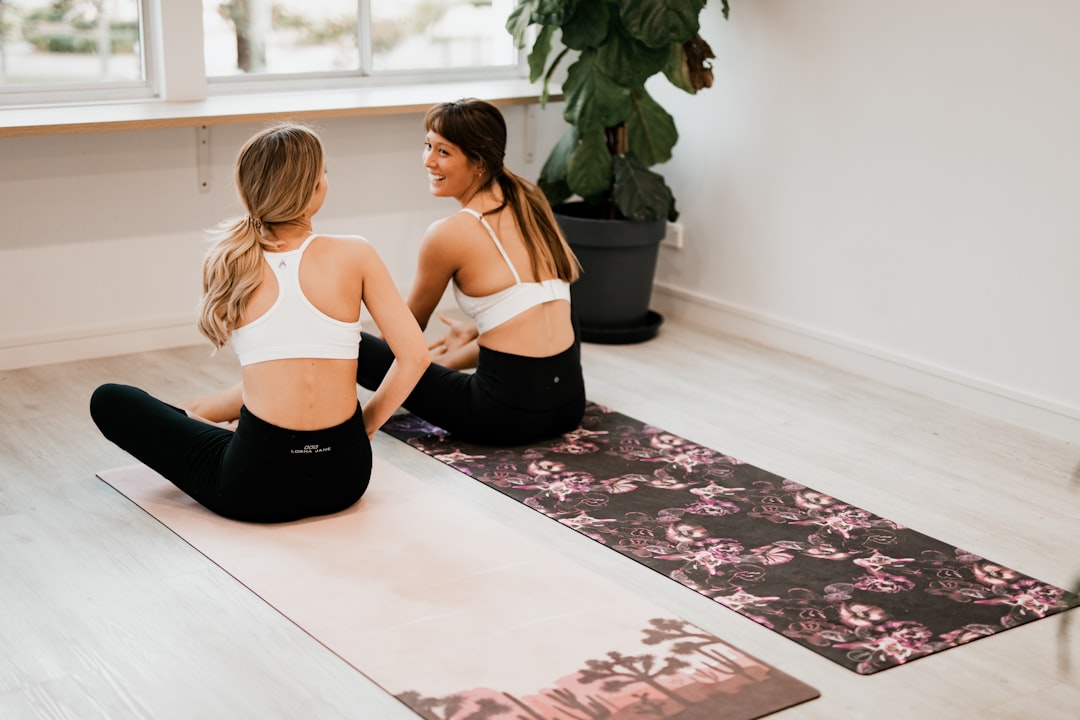
Feeling overwhelmed by all the conflicting fitness advice on losing belly fat? This guide breaks it down into one simple, doable plan you can follow at the gym, even with a busy UK lifestyle. You'll learn how to structure your week, fit in workouts that work, and use batch cooking with Tesco or Aldi ingredients to make healthy eating easier. No jargon, no pressure—just a friendly, realistic way to get results without stress or confusion.
The Foundation: Why This Approach Works
Losing belly fat isn’t about quick fixes; it’s about creating a steady calorie deficit while building muscle to boost your metabolism. When you exercise at the gym, particularly with a mix of strength training and some cardio, your body burns calories both during and after workouts. This helps reduce fat over time, including around your belly. Eating regularly cooked meals from batch cooking prevents you from grabbing unhealthy snacks or takeaways that undo your efforts.
For example, lifting weights twice or thrice a week triggers muscle growth, which burns more calories even when resting. Adding short, steady cardio like cycling or brisk walking on other days increases calorie burn without exhausting you. The logic is simple: consistent effort, not intensity, beats short bursts of extreme workouts that often lead to quitting. When you prepare meals in advance, you control portions and ingredients, avoiding hidden sugar or fat that can stall fat loss. For more on calorie deficit, see our guide.
Practical Implementation: Your 7-Day Plan
Start your week with three gym sessions focused on strength training, spaced out every other day. On the off days, do light cardio or active rest like walking. Here’s a simple weekly structure:
- Monday: Strength training (full-body weights, 45 mins)
- Tuesday: Brisk walk or light cycling (30 mins)
- Wednesday: Strength training (focus on legs and core, 45 mins)
- Thursday: Rest or gentle stretching
- Friday: Strength training (upper body focus, 45 mins)
- Saturday: Active rest (walk, household chores)
- Sunday: Meal prep and batch cooking for the week
In the gym, focus on compound exercises like squats, push-ups, and rows—they work several muscles and burn more calories. Use machines or free weights at a comfortable weight so you can do 8-12 reps without struggling or feeling silly. For batch cooking, choose simple meals like grilled chicken with boiled potatoes and steamed veg or lentil curry with rice. Cook in bulk and portion out leftovers for easy meals.
If you want a clear plan without the guesswork, Milo builds your meal plan and workout programme automatically — based on your goals, your schedule, and what's in your fridge.
Common Challenges and Mistakes
One big struggle is feeling lost in the gym and avoiding the weights section. Remember, everyone started somewhere, and nobody is judging you. Stick to machines or basic exercises you feel comfortable with until you build confidence. Another common mistake is trying to do too much too soon. Intense sessions or complicated diets often lead to burnout.
According to the NHS weight loss guidance: The NHS recommends losing no more than 0.5–1kg (1–2lbs) per week for safe, sustainable fat loss.
Skipping meals or relying on quick snacks can also slow progress. That’s why batch cooking is key—it keeps you full and on track. Some people expect quick belly fat loss and get discouraged when it doesn’t happen fast. Fat loss takes time, especially around the belly, so patience is as important as consistency. Lastly, not tracking what you eat or how often you train can cause confusion. Keep a simple diary or notes on your phone to see progress over weeks.
Next Steps: Simple Improvements
After you’ve settled into this routine, you can add small challenges to keep improving without stress. For example, increase your gym weights slightly every two weeks to build more muscle. Swap one batch-cooked meal each week for a new recipe with different veggies or proteins from UK supermarkets to keep meals interesting.
Try to add short bursts of higher effort during your cardio days, like a few 30-second faster cycles during a walk, to boost calorie burn. If you’re comfortable, start including core-specific exercises like planks or dead bugs for better belly strength. These steps aren’t about pushing hard but about gently improving what you already do.
According to the NHS BMI guidance: The NHS defines a healthy BMI as between 18.5 and 24.9 for most adults, though muscle mass can affect this figure.
Milo is used by gym beginners across the UK to take the guesswork out of training and eating — so you can focus on showing up and getting results.
Putting It All Together
The key to losing belly fat at the gym in the UK is a clear, simple plan you can follow without feeling overwhelmed. Mix three strength sessions with light cardio and plenty of rest. Use batch cooking from easy-to-find supermarket items to avoid last-minute poor food choices. Track your progress and be patient with your body’s changes.
This approach fits busy schedules and budgets, helps you build gym confidence, and sets you up for steady, realistic results. Keep it consistent, keep it simple, and you’ll get there. Learn more about the Milo and how it can help you get started.
Frequently Asked Questions
How long does it usually take to see results from gym workouts for belly fat?
Most people start noticing changes in their belly after about 4 to 6 weeks of consistent gym workouts combined with healthy eating. It depends on your starting point, but sticking to a simple plan like strength training three times a week and batch cooking meals helps you build habits that show gradual progress.
Can I lose belly fat at the gym if I only have 30 minutes a day?
Yes, 30 minutes is enough if you focus on efficient strength exercises and some light cardio. For example, do compound lifts that work multiple muscles, and add brisk walking or cycling on off days. Consistency matters more than long sessions.
What if I feel self-conscious and don’t want to look out of place at the gym?
It’s normal to feel that way. Start with machines or simple exercises in quieter times at the gym. Remember, most people are focused on their own workouts. Building confidence gradually by learning a few exercises helps you feel more comfortable over time.
How do I batch cook healthy meals on a student budget in the UK?
Buy affordable basics like chicken thighs, eggs, lentils, frozen veg, and rice from supermarkets like Tesco or Aldi. Cook in large portions on weekends, then divide into containers for the week. Simple meals like chicken with rice and veg or lentil stew keep costs low and nutrition high.
Ready to stop guessing and start seeing results? Try Milo free for 7 days — from £7.99/month, cancel any time.
Leave a Reply