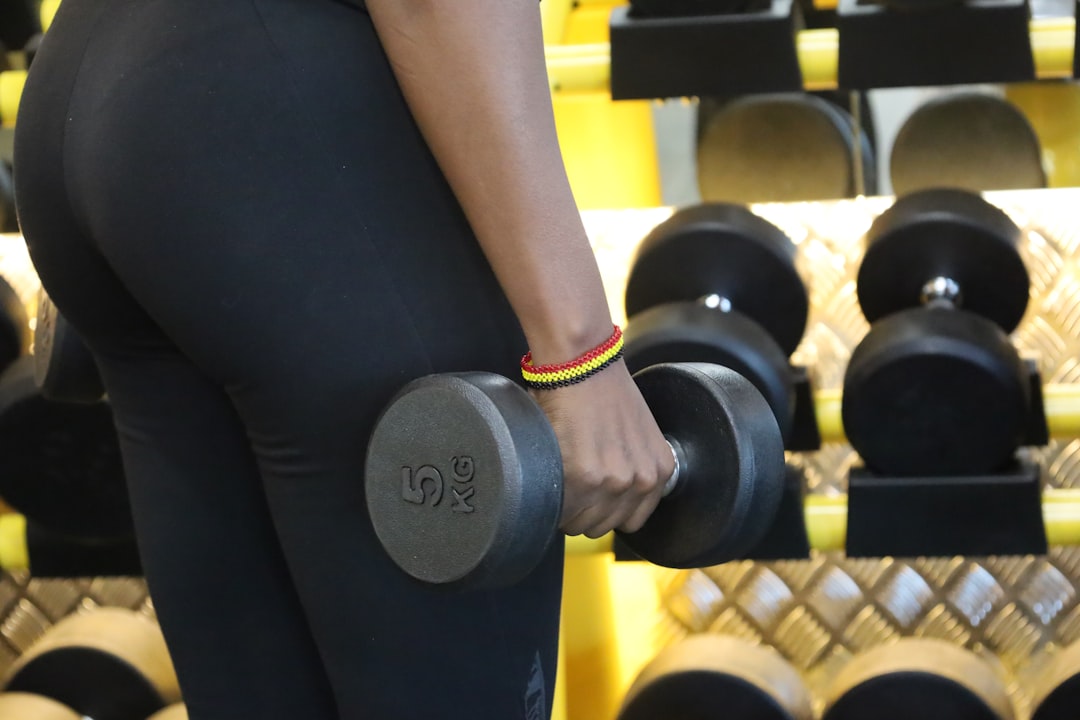
Starting at a gym can feel daunting, especially if you're unsure about the unwritten rules that keep things running smoothly. This guide breaks down gym etiquette for beginners in the UK, helping you avoid common pitfalls and feel comfortable in any fitness environment. You'll gain clear, actionable advice on how to behave respectfully, use equipment properly, and navigate busy gym spaces confidently. For more on fitness guides, see our guide.
Why Starting Feels So Hard (And Why That's Normal)
The first visits to a gym can feel overwhelming because you’re managing both physical effort and social anxiety. A typical beginner might feel unsure about how long to spend on equipment, when to wipe down machines, or how to share space during peak hours. This discomfort is common and backed by research that links exercise with reduced anxiety and improved mood, as highlighted in the NHS mental health and exercise guidance. Knowing that your feelings are normal can ease the pressure and help you focus on building habits rather than perfection. Many new gym users underestimate how little exercise is needed each week to see benefits. The NHS physical activity guidelines recommend at least 150 minutes of moderate exercise weekly, roughly 30 minutes five days a week—far less than the intense daily sessions some imagine. This manageable target reduces the intimidation factor and sets a realistic pace.
The Simple System That Actually Works for Beginners
Start with a clear, step-by-step routine: first, arrive prepared with a towel and water bottle to avoid borrowing or sharing items. On entering, scan the gym layout to identify your preferred equipment, noting busy zones and quieter corners. Limit your machine time to 15 minutes during peak times, avoiding monopolising popular equipment. Always wipe down machines and mats after use with the provided sprays or wipes—this is a must in every UK gym, including chains like PureGym and Virgin Active. If unsure, ask staff for any gym-specific rules. Wearing appropriate clothing and footwear is essential for safety and respect. Avoid dropping weights, and return them promptly to racks. These practical steps build respect with other gym-goers and help beginners settle in quickly.
If you'd rather not plan this manually, Milo generates your meals and workouts automatically.
The Mistakes That Keep Most People Stuck
Three mistakes often stall gym progress. First, skipping etiquette basics like wiping down equipment, which can annoy others and create a negative environment. Second, overestimating workload—trying to do too much too soon leads to burnout and quitting; Sport England’s Active Lives survey shows many stop exercising within weeks. Third, ignoring gym culture cues such as limiting phone use or avoiding loud conversations, which disrupt focus and can isolate newcomers. These errors not only affect your experience but also how others perceive and interact with you. Addressing these early keeps your gym visits productive and pleasant.
How to Build Momentum When Motivation Disappears
Motivation fluctuates, especially after the initial excitement fades. The key difference between those who stick with it and those who quit is building routines that don’t rely solely on motivation. For example, scheduling gym visits at the same time daily creates consistency. Pair workouts with enjoyable activities like music or podcasts to increase adherence. Tracking progress with simple metrics, like session count or improvements in reps, keeps focus on small wins. Recognising that short, 10-minute workouts count—as supported by NHS 10-minute workouts advice—helps when time is tight. Social support can also help; even greeting familiar faces or sharing tips creates accountability. These less obvious strategies sustain long-term gym attendance.
Milo helps you stay consistent — no spreadsheets, no guesswork.
Your First Two Weeks: A Realistic Action Plan
Week one focuses on familiarisation: visit the gym three times, each session 30 minutes, exploring different equipment areas without pushing intensity. Use this time to practice wiping equipment, timing machine use, and wearing appropriate gym kit. In week two, increase sessions to four times, introducing a simple full-body routine with light weights or bodyweight exercises, following NHS strength training exercises advice. Prioritise hydration, rest days, and listening to your body. By day 14, aim to confidently navigate peak times and respect gym etiquette naturally. Keep notes on your experience to adjust habits and stay on track.
Frequently Asked Questions
What are the basic gym etiquette rules for beginners in the UK?
Basic gym etiquette includes wiping down equipment after use, limiting time on machines during busy periods, using a towel, respecting others’ personal space, wearing appropriate clothing, and following the gym’s specific rules. These practices help maintain cleanliness and create a respectful environment for everyone.
How long should beginners spend on each gym machine during busy hours?
During busy hours, beginners should aim to spend no more than 15 minutes per machine. This helps ensure other gym users have fair access and reduces wait times, making the gym experience better for everyone.
Is it necessary to bring a towel to the gym in the UK?
Yes, bringing a towel is essential in UK gyms. A towel prevents sweat from transferring onto benches or machines, maintaining hygiene and showing respect to other users. Many gyms require towels as part of their rules.
How can beginners avoid feeling intimidated at the gym?
Beginners can reduce intimidation by preparing a simple workout plan, visiting during quieter times, familiarising themselves with equipment in short sessions, and using etiquette practices like wiping down machines. Understanding that 150 minutes of moderate exercise weekly is sufficient can also ease pressure.
What should I do if I’m unsure about gym rules or equipment use?
If uncertain, ask gym staff for guidance or look for instructional signage often displayed near equipment. Most UK gyms, such as PureGym or David Lloyd, offer induction sessions or have team members available to help beginners understand rules and proper equipment use.
Get started with Milo. Start your 7-day free trial — from £7.99/month.
Disclaimer: This article is for informational purposes only and does not constitute medical, nutritional, or professional fitness advice. Always consult a qualified healthcare professional before making changes to your diet or exercise routine.
Leave a Reply