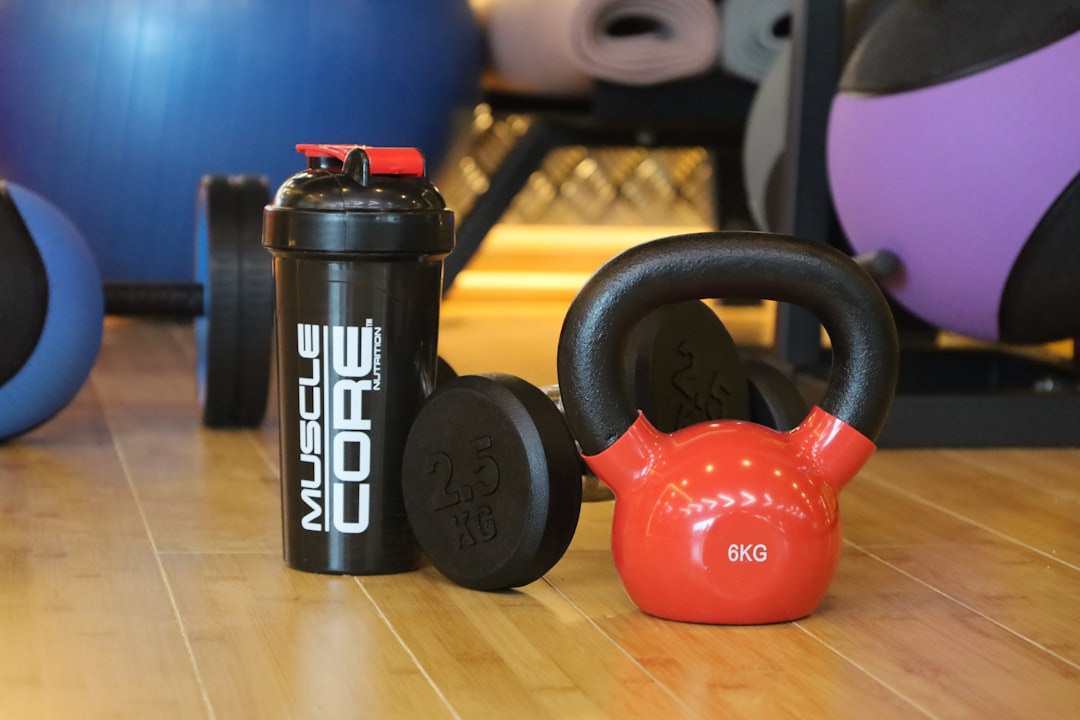
Starting a gym routine can be daunting, especially when confidence feels low and progress seems invisible. This guide helps UK beginners overcome frustration by focusing on achievable goals and measurable improvements in fitness, mood, and habits. It offers clear steps to track progress, avoid common mistakes, and create lasting routines that make the gym less intimidating and more rewarding.
Why You're Making Progress Even When It Doesn't Feel Like It
Many beginners feel stuck because early gym changes are subtle and internal rather than visible. For example, improvements in sleep quality and mood often appear within two weeks of regular activity and can be tracked by journaling how you feel each day. A study from Mind emphasises that exercise lifts mental wellbeing by reducing anxiety and boosting energy, benefits you can notice even if the scales don’t move much yet.
If you manage two or three sessions a week, you’re already on track to meet or approach the NHS physical activity guidelines recommending at least 150 minutes of moderate exercise weekly. That’s a measurable achievement showing progress beyond aesthetics. For instance, walking briskly for 30 minutes five days a week counts towards this goal and builds stamina gradually.
Rather than relying on visible muscle or weight changes early on, track non-scale victories such as increased reps in a workout, reduced breathlessness when climbing stairs, or better sleep patterns. These are concrete signs your body is adapting. Many beginners underestimate these wins and stop before real transformation begins. For more on fitness guides, see our guide.
The Metrics That Actually Matter for Beginners
Focusing on the right metrics helps maintain motivation and gives clear feedback on progress. Beginners should track three key areas: frequency and duration of workouts, strength or endurance improvements, and wellbeing markers like sleep quality or mood.
Start by logging the number of workouts per week. The NHS recommends at least 150 minutes of moderate activity or 75 minutes of vigorous activity weekly. This could be three sessions of 50 minutes brisk walking or two sessions of 30 minutes cycling plus strength exercises twice a week. Tracking these ensures you meet recommended health standards.
Next, monitor performance in your workouts. For example, if you start with 10 bodyweight squats and after three weeks can complete 15 with better form, that’s measurable progress. Similarly, increasing the weight you lift in strength exercises by 5–10% over a month shows improvement.
Finally, note changes in wellbeing. Sleep duration and quality are valuable indicators; many report falling asleep faster and waking less during the night after consistent exercise. Mood improvements can be tracked with simple daily ratings from 1 to 5. These data points are often more encouraging than scale weight alone and keep motivation high.
If you'd rather not plan this manually, Milo generates your meals and workouts automatically.
How to Track Without Becoming Obsessed
Tracking is essential but can become counterproductive if it turns into obsession. The three most common mistakes are over-focusing on scale weight, checking progress too frequently, and comparing yourself to others.
Relying solely on the scales ignores muscle gain or water retention, causing frustration. Weight can fluctuate by 1–2kg daily, which is normal. Instead, track weekly averages or use other metrics like strength or stamina.
Checking progress every day often leads to disappointment because meaningful changes require weeks to manifest. Set a weekly or fortnightly review instead, giving your body time to adapt.
Comparing yourself to gym-goers or social media images can damage confidence. Everyone’s journey is different, and progress depends on individual factors like age, metabolism, and lifestyle. Focus on your own improvements rather than external benchmarks.
To avoid these pitfalls, keep a simple log of workouts, sleep, and mood once or twice a week. Celebrate small wins and remind yourself that consistency is the real success.
When to Change the Plan and When to Stay the Course
Knowing when to adjust your gym routine rather than abandoning it is crucial. If you’re consistently hitting your weekly activity targets but see no weight change, remember the NHS weight loss guidance suggests a safe and healthy rate is 0.5–1kg per week. Expecting faster results is unrealistic and can lead to discouragement.
If you experience persistent fatigue, pain, or loss of motivation beyond the usual adaptation period (4–6 weeks), it might be time to change your approach. This could mean varying exercises, adjusting intensity, or improving nutrition.
However, if you feel generally well and your performance or wellbeing markers are improving, it’s better to stay the course rather than switching plans too quickly. Consistency over months yields the best results.
Changing your routine every few weeks without giving it time to work can stall progress and erode confidence. Patience and persistence are key.
Milo helps you stay consistent — no spreadsheets, no guesswork.
Building a Habit That Lasts Beyond the First Month
Creating lasting gym confidence depends on developing sustainable habits. Set small, specific goals such as attending the gym twice a week for 30 minutes. Use reminders on your phone or calendar to maintain consistency.
After two weeks, review your progress and adjust goals if needed. Gradually increase workout duration or intensity by 5–10% every fortnight to keep challenging yourself without burnout.
Pair your gym visits with enjoyable activities like listening to favourite music or podcasts. This association boosts motivation.
Track non-scale progress like mood or energy each week to reinforce positive changes. By the end of the first month, these habits become part of your routine, making the gym less daunting and more rewarding.
Sustained progress and confidence come from steady, manageable steps that fit your lifestyle and preferences. Learn more about the Milo and how it can help you get started.
Frequently Asked Questions
How long does it take to feel confident in the gym as a beginner in the UK?
Confidence in the gym typically builds over 4 to 6 weeks of regular attendance. Consistently hitting activity targets and noticing improvements in strength, stamina, or mood during this period helps beginners feel more comfortable and assured in their workouts.
What are simple ways to track fitness progress without using a scale?
Track the number of workouts completed weekly, improvements in exercise performance like more reps or increased weights, and wellbeing indicators such as better sleep or elevated mood ratings. These provide meaningful feedback beyond weight alone.
How often should beginners in the UK exercise to meet health guidelines?
Beginners should aim for at least 150 minutes of moderate activity per week, such as brisk walking or cycling. This can be split into 3–5 sessions weekly, combined with strength exercises twice a week for balanced fitness.
What should I do if I’m not losing weight despite regular gym visits?
Weight loss can be slow; the NHS recommends aiming for 0.5–1kg per week. Focus on consistent workouts, balanced nutrition, and track other progress markers like strength or energy. If weight remains unchanged after several weeks, consider reviewing your diet or exercise intensity.
How can I avoid feeling overwhelmed by tracking fitness data?
Limit tracking to once or twice a week, focusing on key metrics like workout frequency, strength gains, and mood. Avoid daily weigh-ins or comparisons with others. Keeping logs simple and focused prevents obsession and maintains motivation.
Get started with Milo. Start your 7-day free trial — from £7.99/month.
Disclaimer: This article is for informational purposes only and does not constitute medical, nutritional, or professional fitness advice. Always consult a qualified healthcare professional before making changes to your diet or exercise routine.
Leave a Reply