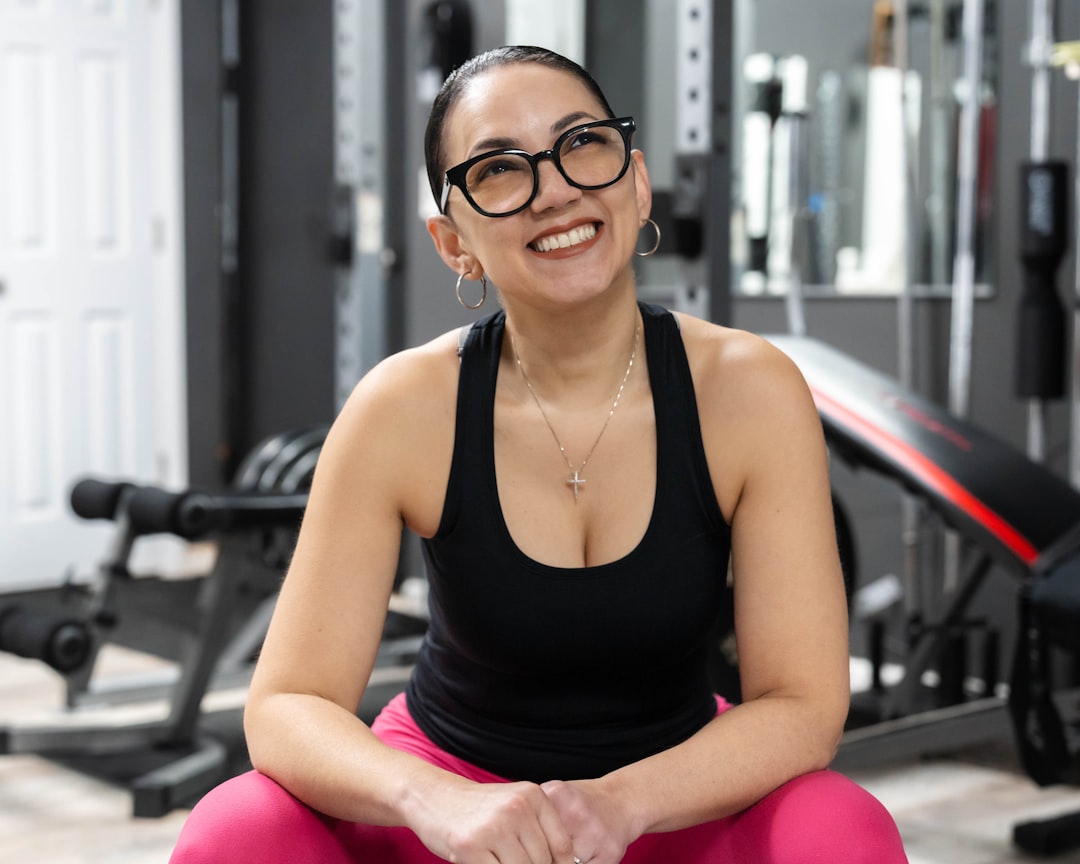
Starting at the gym for the first time can feel overwhelming, especially when you’re unsure what to wear. Choosing the right gym clothing makes your workout more comfortable and helps you stay focused. This guide breaks down exactly what you need to know about gym wear in the UK, from practical fabrics to affordable options. You’ll learn how to pick outfits that suit your workout style and body, making your first gym visit easier and more enjoyable.
You Don't Need a Gym Membership to Get Fit
You can meet the UK’s recommended physical activity levels without ever setting foot in a gym. The NHS suggests adults aim for at least 150 minutes of moderate aerobic activity or 75 minutes of vigorous exercise weekly, plus strength exercises twice a week. Walking, jogging, cycling, or home workouts tick these boxes. For example, a brisk 30-minute walk five days a week covers the aerobic guideline perfectly. This means you can start building fitness right from your doorstep, saving gym fees and avoiding the stress of gym environments. When you are ready, gym clothing choices should align with the activities you already enjoy or plan to try. Simple, adaptable clothes work well whether you’re at home, outside, or in a gym setting. This flexibility helps keep costs low and motivation high.
The Zero-Equipment Routine That Actually Builds Fitness
If you don’t have access to gym equipment yet, bodyweight exercises can offer a complete workout. The NHS provides a collection of free, effective strength exercises you can do anywhere, including squats, lunges, press-ups, and planks. A beginner routine might look like this: 3 rounds of 10 squats, 8 lunges per leg, 5-10 press-ups, and a 20-second plank hold, resting 30 seconds between exercises. This takes roughly 15 minutes and builds strength without any gear. Wearing flexible, breathable clothing that allows full range of motion is key here — think stretch leggings or shorts and a moisture-wicking top. Trainers aren’t essential if you’re on carpet or a yoga mat, but non-slip socks can help. This routine can be done 2–3 times per week to build strength progressively without extra expense or gym membership. The NHS’s free strength exercises resource is the definitive guide for beginners looking to start without equipment.
How to Make Home Workouts Hard Enough to Matter
Beginners often make three common mistakes that reduce workout effectiveness. First, moving too quickly through exercises without control sacrifices muscle engagement and increases injury risk. Second, neglecting progression means repeating the same intensity, which stalls gains. For example, doing 5 press-ups every session without increasing reps or difficulty won’t improve strength over time. Third, skipping warm-ups or cool-downs can impair recovery and cause soreness. To avoid these, focus on slow, controlled movements during each exercise, increase repetitions or sets weekly, and dedicate 5 minutes before and after workouts to mobility or stretching. Wearing gym wear that fits properly helps maintain good form and prevents distractions caused by uncomfortable seams or fabric. This approach ensures your home workouts are challenging enough to build fitness safely and effectively.
When (and How) to Add Equipment Without Wasting Money
Adding equipment can enhance workouts but it’s easy to overspend or buy items that don’t suit your needs. Start by identifying your goals: strength, cardio, flexibility, or general fitness. For strength, a set of resistance bands costing around £10–£15 offers versatility and storage ease. Dumbbells can be added later but usually require more space and investment. For cardio, skipping rope or a basic stationary bike are cost-effective. Importantly, buy from UK retailers with good return policies in case items don’t match your expectations. Choose equipment that fits your living space and won’t cause clutter. When investing, pick quality over quantity: one good piece that you’ll use regularly beats multiple gadgets gathering dust. Proper gym wear that supports free movement remains critical when adding equipment, as poor clothing can limit exercise range or cause blisters.
Your Free, No-Excuses Weekly Plan
Start with 3 workout days per week: two focused on bodyweight strength exercises like squats, lunges, and press-ups using the NHS strength exercise guide, and one day dedicated to cardio. The NHS Couch to 5K free programme is an excellent, structured way to build running fitness gradually, with clear milestones and rest days built in. For example, Monday and Thursday could be strength days (15–20 minutes each), and Saturday your Couch to 5K running session (30 minutes). Keep gym wear simple and comfortable, suitable for both indoor strength and outdoor cardio. Rest on other days to allow recovery, and aim for at least 7 hours of sleep nightly to support progress. This plan requires no gym membership or expensive gear and fits easily into typical UK schedules.
. For more on fitness guides, see our guide. Learn more about the Milo and how it can help you get started.
Frequently Asked Questions
What should I wear to the gym UK first time if I'm on a budget?
Wear breathable, comfortable clothes like a moisture-wicking t-shirt and leggings or shorts you already own. Trainers designed for walking or running work well. Avoid expensive branded gear. Layer with a lightweight jacket for UK weather changes. Focus on comfort and fit rather than style to keep costs low while staying practical.
Can I start gym workouts without buying special clothing?
Yes, you can begin workouts in regular comfortable clothes that allow movement, such as cotton t-shirts and tracksuit bottoms. Avoid restrictive outfits and ensure your footwear provides enough support for your activity. As you progress, investing in moisture-wicking fabrics may improve comfort but isn’t essential to start.
How important is the type of trainers for a gym beginner in the UK?
Trainers are important for foot support and injury prevention. Beginners should choose trainers suitable for their main activity, like running shoes for treadmill use or cross-trainers for mixed workouts. Well-fitting trainers bought from UK stores with returns reduce the chance of discomfort and improve workout safety.
Is layering gym clothes necessary in the UK climate?
Yes, layering helps manage temperature changes common in the UK. Start with a breathable base layer, add a lightweight top or hoodie, and remove layers as you warm up. This approach keeps you comfortable before, during, and after workouts, especially when transitioning between outdoor and indoor exercise.
How can I stay comfortable during my first gym visit in the UK?
Wear clothes that fit well and move with you without being too tight or loose. Choose fabrics that wick sweat away to prevent discomfort. Bring a small towel and water bottle. Simple gym wear and preparing mentally for your workout reduce anxiety and help you focus on exercising.
Get started with Milo. Start your 7-day free trial — from £7.99/month.
Disclaimer: This article is for informational purposes only and does not constitute medical, nutritional, or professional fitness advice. Always consult a qualified healthcare professional before making changes to your diet or exercise routine.
Leave a Reply