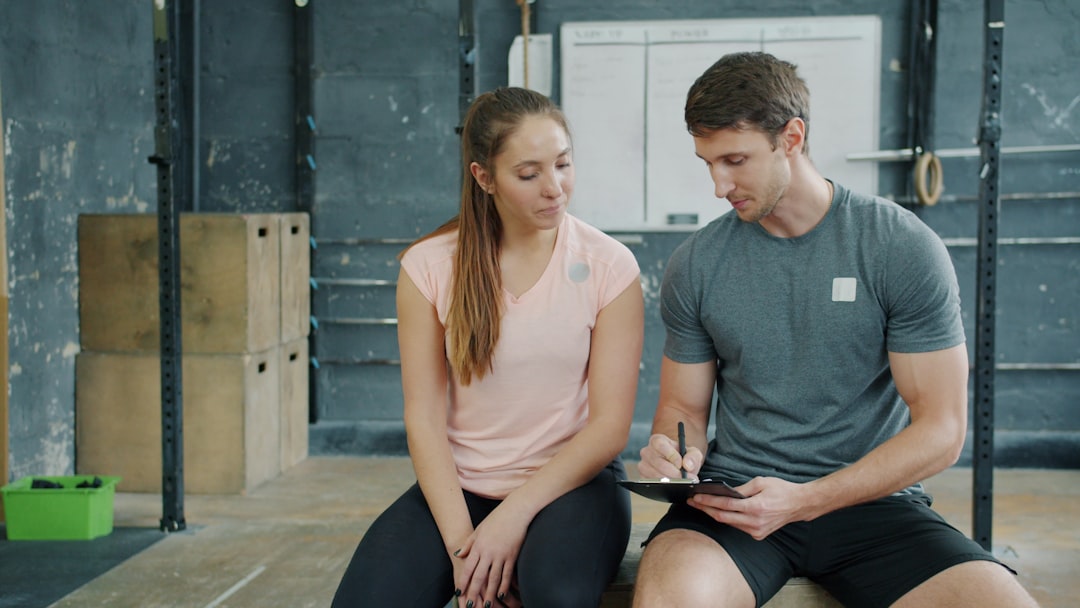
Starting your fitness journey in the UK can feel overwhelming, especially when deciding whether to invest in a personal trainer. If you’re unsure about what support you need to get fitter, lose weight, or eat better, this guide breaks down the pros and cons, realistic costs, and effective alternatives. You’ll learn how to build gym confidence, structure your workouts, and get results without confusion or jargon.
What a Good Beginner Plan Actually Looks Like
A beginner programme should prioritise simplicity and consistency over complexity. Start with three sessions a week, each lasting about 30 to 45 minutes. For cardio, brisk walking, cycling, or swimming for 20 minutes is sufficient. Strength training should include 2 sets of 10 to 12 reps for 3 to 4 exercises focusing on major muscle groups like legs, back, chest and shoulders.
For example, a simple session might be:
- 5-minute warm-up (light cardio or dynamic stretches)
- Bodyweight squats 2×12
- Push-ups 2×10 (knee or wall-assisted if needed)
- Dumbbell rows 2×12
- Plank hold 2×20 seconds
This volume aligns well with the NHS physical activity guidelines for adults which recommend building to 150 minutes of moderate exercise weekly plus strength training twice a week. Planning in this way avoids burnout and injury, especially if you haven’t exercised regularly before. For more on fitness guides, see our guide.
Progression should be gradual, increasing reps or adding light weights after 2–3 weeks. This steady approach builds gym confidence and teaches proper form without overwhelming you.
Week-by-Week: Your First Four Weeks Laid Out
Week 1 focuses on familiarising yourself with movement and gym equipment. Plan 3 sessions of 30 minutes each: 20 minutes of light cardio (walking or cycling) plus 2 sets of 10 reps for bodyweight exercises like squats, lunges, and wall push-ups. Keep rest between sets to 60 seconds. Aim to complete these on non-consecutive days (e.g., Monday, Wednesday, Friday).
In Week 2, increase cardio to 25 minutes and add light dumbbells or resistance bands for strength exercises. For example, hold 2kg dumbbells for rows and shoulder presses. Perform 3 sets of 10 reps, resting 45 seconds between sets. This matches the NHS strength training guidelines recommending at least two strength sessions weekly.
Week 3 sees an increase to 30 minutes of cardio and adding a third strength day if energy allows. Introduce compound moves like deadlifts or chest presses with manageable weights, focusing on technique. Keep rest periods to 30–45 seconds to maintain workout intensity.
Week 4 should consolidate your routine. Cardio can be varied with intervals, like 1 minute brisk walk followed by 1 minute slower pace for 20 minutes total. Strength training should include 3 sets of 12 reps with slightly heavier weights or increased resistance. This week builds your fitness base toward the recommended 150 minutes per week.
If you'd rather not plan this manually, Milo generates your meals and workouts automatically.
The Three Things Beginners Get Wrong in the First Month
First, beginners often expect rapid results and push too hard too soon. Trying to do daily intense workouts can lead to burnout or injury. Sticking to 3 sessions a week with rest days is more effective for sustainable progress.
Second, many neglect strength training, focusing only on cardio. Without muscle work, weight loss and fitness gains slow down. The NHS strength training guidelines highlight the importance of resistance work twice a week to improve metabolism and bone health.
Third, beginners frequently underestimate nutrition’s role. Eating a balanced diet with adequate protein supports muscle recovery and energy levels. Skipping meals or relying on faddy diets undermines efforts made in the gym.
These mistakes often lead to frustration and quitting. A clear plan with realistic expectations avoids these pitfalls.
How to Adjust the Plan When Life Gets in the Way
Life is unpredictable. Missing a session doesn’t mean failure. Rather than dropping out, reschedule workouts within the week or reduce session length to 20 minutes to maintain momentum.
If you feel overly tired or sore, swap a strength day for a low-intensity activity like walking or gentle yoga. Prioritising rest and quality sleep supports recovery, as highlighted by the NHS guidance on sleep and recovery.
Tracking your sessions in a simple diary or phone note helps identify patterns and adjust intensity accordingly. For example, if you’re consistently missing Friday workouts, try moving them to Saturday or Sunday.
Flexibility is key. The goal is to build a habit, not perfection.
Milo helps you stay consistent — no spreadsheets, no guesswork.
What to Do When Week Four Is Done
Completing four weeks is a solid achievement. Now assess progress: Are you stronger? More confident? Can you increase weights or cardio duration?
Set new targets for the next month, such as adding a fourth workout or trying a new cardio activity like swimming or cycling outdoors. If you’ve built gym confidence, consider group classes at popular UK chains like PureGym or David Lloyd for variety.
Maintaining physical activity pays off long-term. The British Heart Foundation exercise benefits include reduced risk of heart disease, improved mood, and better sleep.
Keep a simple weekly plan, mixing cardio and strength, aiming for at least 150 minutes of moderate activity plus twice-weekly resistance work. Regular review and adjustment keep progress steady and sustainable. Learn more about the Milo and how it can help you get started.
Frequently Asked Questions
How much does a personal trainer cost in the UK for beginners?
In the UK, personal training sessions typically cost between £30 and £50 per hour. Many trainers offer packages which can reduce the price to around £25–£40 per session. Some gyms like PureGym or Virgin Active also provide affordable group training options. For beginners, investing in a few sessions to learn basics can be helpful, but ongoing costs add up quickly.
Can I start strength training at home without equipment?
Yes, you can begin strength training at home using bodyweight exercises such as squats, lunges, push-ups, and planks. These movements target major muscle groups and build foundational strength. To progress, increase reps or slow down the movement. Resistance bands or household items like water bottles can add extra challenge.
What should a beginner workout plan include in the UK?
A UK beginner workout plan should include three sessions per week with 20–30 minutes of moderate cardio plus two sessions of strength training per week. Strength exercises should cover all major muscle groups with 2–3 sets of 10–12 reps. Rest days and gradual progression are essential to prevent injury and build confidence.
How long does it take to build gym confidence as a beginner?
Most beginners notice improved gym confidence within four weeks of consistent training. This timeframe allows familiarisation with equipment, development of basic technique, and routine establishment. Confidence grows faster when workouts are structured, and realistic goals are set.
Is it necessary to join a gym to start exercising as a beginner in the UK?
Joining a gym is not necessary to start exercising. Beginners can begin with walking, running, cycling, or home workouts. However, gyms provide equipment variety and structured environments that may benefit motivation. Local councils often offer affordable leisure centres, and outdoor activities are also excellent options.
Get started with Milo. Start your 7-day free trial — from £7.99/month.
Disclaimer: This article is for informational purposes only and does not constitute medical, nutritional, or professional fitness advice. Always consult a qualified healthcare professional before making changes to your diet or exercise routine.
Leave a Reply