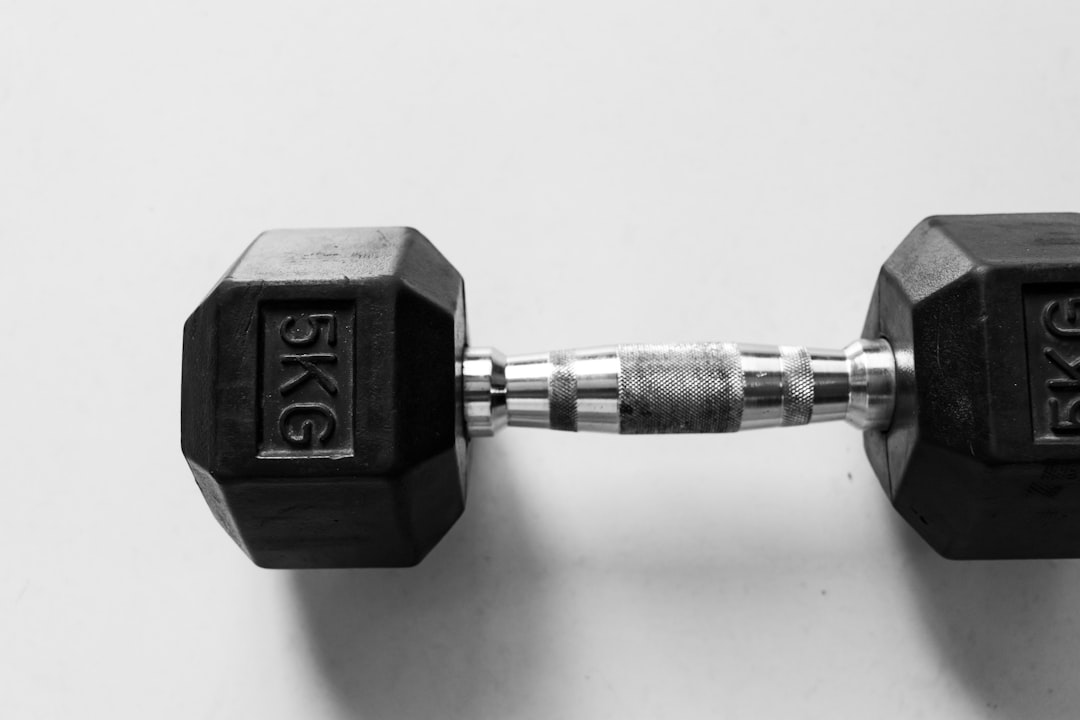
Progressive overload is essential for building strength and muscle, but beginners in the UK often struggle with conflicting advice. Many attempt to push too hard too soon, risking injury and burnout. This guide clarifies the process, breaking down how to increase exercise demands safely and effectively. It highlights common myths that hold beginners back and offers a science-based approach tailored to UK fitness conditions and guidelines. For more on fitness guides, see our guide.
The Fitness Advice That's Actually Holding You Back
Progressive overload is the foundational principle of strength training, defined as gradually increasing exercise demands to promote muscle adaptation. However, common fitness advice in the UK often misleads beginners into overtraining or neglecting recovery. For example, the myth that lifting heavy weights from day one leads to faster gains ignores the necessity of incremental load increases and adaptation periods. According to Sport England Active Lives research, nearly 40% of UK adults do not meet the recommended physical activity levels, partly due to discouragement from early failures or injuries. Another widespread misconception is that more reps equal better results, which neglects the importance of increasing resistance or complexity to stimulate growth. Beginners must also avoid the trap of ignoring proper technique for heavier loads, which leads to injury and setbacks. Understanding progressive overload as a gradual and structured increase in effort, aligned with NHS strength exercises guidance, ensures sustainable progress and long-term fitness benefits.
What the Science (and Experience) Actually Says
Scientific consensus and gym experience confirm that progressive overload requires a structured approach: increase workload incrementally by 2–10% weekly, monitor fatigue levels, and prioritise form. A practical system starts with mastering bodyweight exercises or light weights, such as those available at UK gyms like PureGym or local community centres. Beginners should track exercises, sets, reps, and loads, aiming to add a small increment weekly without sacrificing technique. For example, if bench pressing 20kg for 8 reps, next session aim for 9 reps or 22.5kg for 8 reps. This aligns with NHS physical activity guidelines recommending strength training exercises twice a week for adults aged 19 to 64. Nutrition also plays a role; supermarkets like Tesco or Sainsbury's offer affordable protein sources to support muscle repair. Recovery days are essential to prevent overtraining, with sleep and rest guided by NHS sleep and recovery advice. This system avoids the all-too-common beginner error of pushing too hard too fast, which often results in injury or burnout.
If you'd rather not plan this manually, Milo generates your meals and workouts automatically.
Why "Go Hard or Go Home" Is the Worst Advice for Beginners
The "go hard or go home" mantra causes three major mistakes that derail beginners: 1) Overloading too quickly leading to injury; 2) Neglecting recovery increasing fatigue and reducing progress; 3) Ignoring form resulting in poor technique and long-term damage. Overtraining is a real risk; pushing beyond capacity without gradual increases can cause strains or joint issues. Many beginners believe lifting heavier weights immediately accelerates gains, but this often results in setbacks. Failing to schedule rest days violates the NHS physical activity guidelines which stress recovery for muscle growth. Lastly, sacrificing proper movement to lift heavier loads compromises biomechanics and increases injury risk. This aggressive mindset is counterproductive, especially for UK beginners balancing fitness with busy schedules and limited access to professional supervision. Sustainable progress requires patience and respect for the body's adaptation timeline.
The Simple Principles That Actually Work Long-Term
Contrary to popular belief, slow and steady progressive overload outperforms rapid intensity spikes. The principle is to increase load, volume, or complexity in manageable increments—usually 2–10% per week—while maintaining perfect form. Consistency over months yields measurable strength gains and muscle growth. According to Mind, regular exercise improves not only physical health but mental wellbeing, which encourages adherence to training schedules. Beginners should combine compound movements like squats and presses with bodyweight exercises, progressively increasing difficulty. Tracking progress and adjusting plans based on fatigue and recovery status helps avoid plateaus. The NHS Eatwell Guide supports a diet rich in protein and nutrients to fuel this process. This approach debunks myths that only heavy lifting or high volume produce results and recognises the importance of balanced, sustainable training.
Milo helps you stay consistent — no spreadsheets, no guesswork.
How to Filter Good Advice from Noise Going Forward
Focus on advice supported by UK health authorities and reputable research. Prioritise incremental progress, rest, and technique over hype. Set weekly goals to increase reps, weight, or time under tension by small amounts. Avoid quick fixes promising immediate muscle gain. Use resources like NHS physical activity guidelines and Sport England Active Lives data to align your routine with safe, evidence-based practices. Evaluate sources critically, ignoring influencers promoting extreme or unsustainable methods. Establish a consistent schedule with rest days and monitor fatigue carefully.
Frequently Asked Questions
How do beginners in the UK start progressive overload safely?
Beginners in the UK should start progressive overload by increasing workout intensity gradually, such as adding 2.5kg to lifts or one additional repetition per set each week, while ensuring proper form and adequate rest. Following NHS physical activity guidelines, which recommend strength exercises twice weekly, helps beginners progress safely and effectively.
What are common mistakes UK beginners make with progressive overload?
Common mistakes among UK beginners include increasing load too quickly, neglecting recovery, and compromising technique. These errors often cause injury or stalled progress. Sport England Active Lives research shows many adults drop out due to injury or burnout associated with improper training methods.
How often should beginners increase weight or reps in progressive overload?
Beginners should increase weight or repetitions by approximately 2–10% weekly, depending on exercise and recovery. Small, consistent increments prevent injury and promote muscle adaptation, aligning with NHS strength exercises recommendations for safe progression.
Why is rest important when practising progressive overload?
Rest is crucial because it allows muscles to repair and grow stronger after being challenged. The NHS sleep and recovery guidance highlights that inadequate rest increases injury risk and impairs progress, making recovery days essential for effective progressive overload.
Can progressive overload improve mental health for UK beginners?
Yes, progressive overload supports physical strength and contributes to mental health improvements. According to Mind, regular exercise reduces anxiety and improves mood, making gradual, achievable progression beneficial for beginners managing both body and mind.
Get started with Milo. Start your 7-day free trial — from £7.99/month.
Disclaimer: This article is for informational purposes only and does not constitute medical, nutritional, or professional fitness advice. Always consult a qualified healthcare professional before making changes to your diet or exercise routine.
Leave a Reply