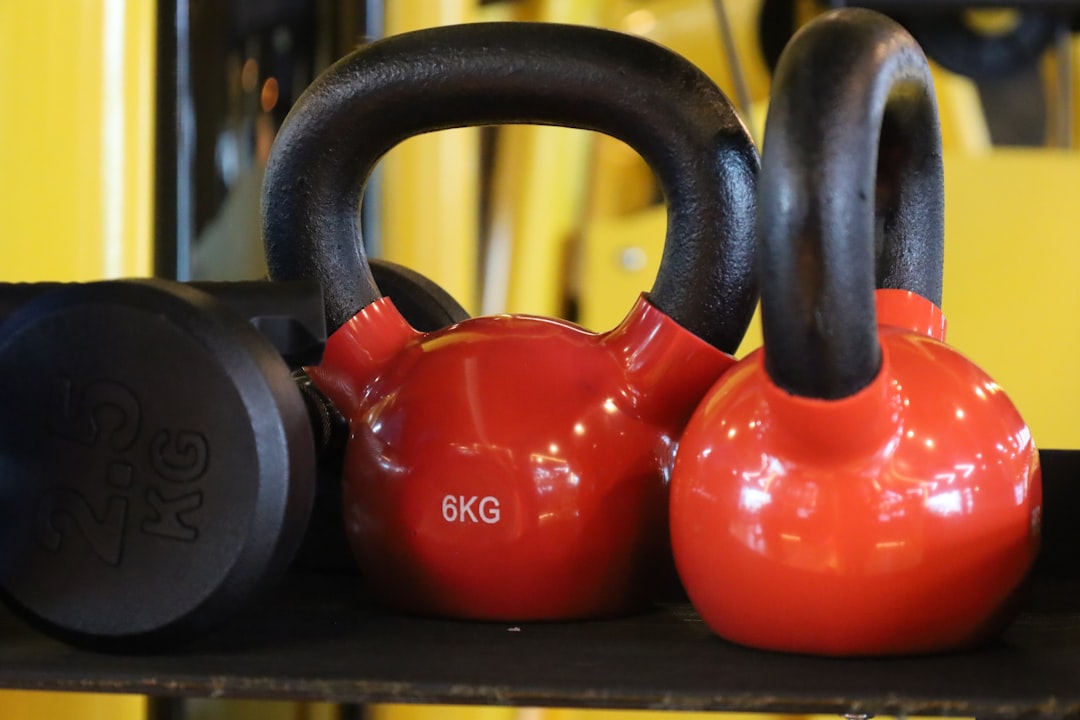
Feeling drained after your gym sessions is a common concern for UK beginners starting new fitness routines. Fatigue after exercise can stem from various factors including hydration, nutrition, and recovery habits. Understanding these causes helps you adjust your approach and maintain motivation. Tracking improvements beyond appearance, focusing on energy and strength gains, supports continued progress despite tiredness. For more on fitness guides, see our guide.
Why You're Making Progress Even When It Doesn't Feel Like It
Muscle adaptation is the process where your body repairs and strengthens muscle fibres after exercise, often causing temporary tiredness. This is a key sign of progress despite the feeling of fatigue. The NHS physical activity guidelines recommend at least 150 minutes of moderate aerobic activity weekly, which beginners may find initially tiring but essential for fitness gains. Early tiredness reflects your body’s effort to improve endurance and strength, not failure. Shifts in performance metrics like increased stamina or weight lifted are more reliable progress indicators than immediate energy levels. This adaptation phase typically lasts 4 to 6 weeks as your cardiovascular and muscular systems become more efficient. Recognising that tiredness is part of building fitness helps maintain motivation.
The Metrics That Actually Matter for Beginners
Focusing on metrics beyond tiredness is crucial for beginner success. Key metrics include workout consistency, gradual increase in exercise intensity, and improvements in energy levels between sessions. Using tools like the NHS Eatwell Guide to optimise nutrition supports energy recovery. Checking progress with simple strength exercises recommended by the NHS can provide tangible evidence of improvement. Timing workouts to suit your daily energy peaks—morning or evening—can reduce fatigue. Beginners should aim for small weekly increments in workout duration or load, avoiding burnout. Tracking non-appearance metrics like mood and sleep quality offers a broader view of fitness progress. Shopping at UK supermarkets such as Tesco or Sainsbury’s for nutrient-dense foods helps maintain energy. These metrics align with NHS physical activity guidelines and promote sustainable fitness habits.
If you'd rather not plan this manually, Milo generates your meals and workouts automatically.
How to Track Without Becoming Obsessed
The three mistakes that worsen fatigue and demotivation are over-monitoring, ignoring recovery, and relying solely on visual progress. Over-monitoring calorie intake or workout data can increase stress and fatigue, hindering recovery. Neglecting recovery days leads to accumulated tiredness and possible injury. Focusing only on weight or appearance ignores essential strength and endurance gains. Instead, track energy levels, mood, and sleep quality alongside physical improvements. Using a simple journal or basic fitness trackers suffices. Avoid daily weigh-ins; weekly or biweekly checks align better with NHS weight loss guidance and prevent obsession. Balanced tracking supports motivation, reduces burnout, and improves workout enjoyment.
When to Change the Plan and When to Stay the Course
It can be counterintuitive, but feeling tired does not always mean you should change your workout plan immediately. According to NHS weight loss guidance, gradual adjustments are safer and more effective than abrupt changes. Persistent fatigue lasting beyond six weeks, accompanied by poor sleep or chronic soreness, signals a need for plan revision. Conversely, mild tiredness that improves with rest shows your body is adapting. Monitoring these signs helps decide when to stay the course or alter intensity. Beginners should prioritise consistent activity over intensity spikes. Maintaining regular moderate exercise following NHS physical activity guidelines ensures steady progress without excessive fatigue. Patience is essential as fitness gains accumulate over months, not days.
Milo helps you stay consistent — no spreadsheets, no guesswork.
Building a Habit That Lasts Beyond the First Month
Establishing a lasting fitness habit requires clear, achievable steps. Commit to at least three weekly sessions of moderate exercise following NHS guidelines. Plan workouts with variety to engage different muscles and prevent boredom. Set specific, measurable goals such as increasing walking time by 5 minutes weekly or adding one extra repetition to strength exercises. Prioritise recovery with good sleep hygiene, balanced meals based on the NHS Eatwell Guide, and hydration. Track progress with simple notes on energy and mood. Aim for consistency over perfection, adjusting plans only when necessary.
Frequently Asked Questions
Why am I so tired after the gym UK beginner?
Feeling tired after gym sessions as a UK beginner is normal due to your body adapting to increased physical activity. Fatigue often arises from muscle repair, energy use, and cardiovascular adjustment. The NHS physical activity guidelines recommend gradual increases in exercise to manage tiredness effectively.
How long should fatigue last after starting gym workouts?
Fatigue in beginners typically lasts 4 to 6 weeks as the body adapts to new exercise demands. Persistent tiredness beyond this may indicate a need for rest or plan adjustment, as suggested by NHS weight loss guidance.
Can nutrition affect why I'm tired after the gym?
Yes, poor nutrition can contribute to post-workout fatigue. Following the NHS Eatwell Guide ensures balanced intake of carbohydrates, proteins, and fats needed for energy replenishment and muscle repair.
Is it normal to feel more tired after gym if I’m not sleeping well?
Inadequate sleep significantly increases post-exercise tiredness. The NHS explains that lack of sleep impairs recovery, energy levels, and overall health, making gym fatigue worse.
Should I stop exercising if I feel very tired after the gym?
Not necessarily. Mild to moderate tiredness is part of fitness progress. However, if fatigue is severe or prolonged beyond six weeks, it’s advisable to rest and consult guidelines like those from the NHS before changing your routine.
Get started with Milo. Start your 7-day free trial — from £7.99/month.
Disclaimer: This article is for informational purposes only and does not constitute medical, nutritional, or professional fitness advice. Always consult a qualified healthcare professional before making changes to your diet or exercise routine.
Leave a Reply