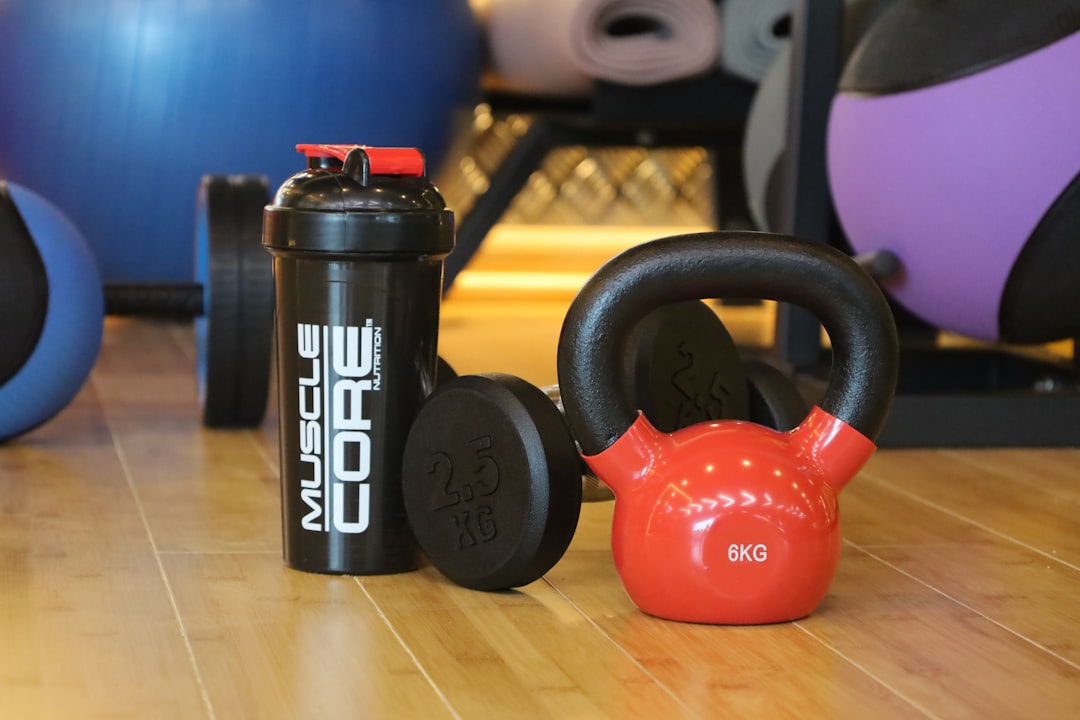
Starting a fitness routine can feel overwhelming, especially when figuring out post-workout nutrition. Knowing what to eat after the gym as a beginner in the UK helps your body recover and keeps you motivated. This guide breaks down simple food choices and timings proven to support muscle repair and energy replenishment, making it easier to stick with your workouts and see progress. For more on fitness guides, see our guide.
Why Starting Feels So Hard (And Why That's Normal)
Starting a fitness regimen is challenging because the body and mind need to adapt to new demands. Physical activity levels in the UK show that only 66.2% of adults meet the NHS physical activity guidelines for adults aged 19 to 64, which recommend at least 150 minutes of moderate exercise weekly. When you first begin, your muscles experience micro-tears and energy depletion, which can cause discomfort and fatigue. This physical response often leads to frustration or quitting. Understanding that these sensations are part of the adaptation process helps normalise the experience and sets realistic expectations. Nutrition plays a key role here; eating the right foods after workouts speeds up recovery, reducing soreness and fatigue. Combining exercise with proper post-workout nutrition builds resilience and consistency over time.
The Simple System That Actually Works for Beginners
A straightforward post-gym nutrition system includes three steps. First, eat within 30 to 60 minutes after exercising to optimise muscle repair. Second, combine protein and carbohydrates in your meal or snack. Protein sources in the UK such as lean chicken, eggs, low-fat yoghurt, or beans supply amino acids for muscle rebuilding. Carbohydrates like wholemeal bread, brown rice, or fruit restore glycogen used during exercise. Third, hydrate with water or an electrolyte drink to replace fluids lost through sweat. A typical example could be a boiled egg with wholemeal toast and a banana, or natural yoghurt with berries and a handful of oats. UK supermarkets like Tesco and Sainsbury’s stock convenient options to prepare these meals easily. This system avoids overcomplication and fits into daily life, supporting steady progress.
If you'd rather not plan this manually, Milo generates your meals and workouts automatically.
The Mistakes That Keep Most People Stuck
The three mistakes that hinder beginners' nutrition after the gym are skipping meals, eating the wrong foods, and ignoring hydration. Skipping meals delays muscle recovery and prolongs fatigue, making workouts feel harder. Choosing high-fat or sugary snacks instead of balanced protein-carbohydrate combinations fails to replenish energy effectively. For example, crisps or chocolate bars do not provide the nutrients needed to repair muscles. Lastly, neglecting hydration reduces exercise benefits, as dehydration impairs muscle function and concentration. These mistakes contribute to slower progress and decreased motivation. Avoiding them by planning simple meals and carrying a water bottle ensures your body gets what it needs for recovery and growth.
How to Build Momentum When Motivation Disappears
Building momentum without relying on motivation alone requires setting small, achievable goals and focusing on routine. The Sport England Active Lives survey reveals that people who set regular exercise habits are more likely to maintain activity levels long term. Nutrition supports this by providing consistent energy and reducing post-exercise fatigue. Preparing easy post-workout meals in advance or knowing quick snack options prevents decision fatigue when tired. Additionally, recognising the mental health benefits of exercise combined with good nutrition can encourage continuation. The NHS mental health and exercise guidance highlights that regular physical activity reduces symptoms of depression and anxiety, benefits enhanced by balanced eating. By making nutrition part of your habit, you strengthen your commitment even when motivation dips.
Milo helps you stay consistent — no spreadsheets, no guesswork.
Your First Two Weeks: A Realistic Action Plan
Start by scheduling your workouts and planning what to eat immediately afterwards. Week one, focus on choosing simple protein and carbohydrate combinations, such as a boiled egg with toast or a yoghurt and fruit bowl. Prepare these snacks in advance to save time. Week two, increase variety by adding different protein sources like beans or lean meat and try wholegrain carbohydrates. Drink at least 500ml of water within an hour post-exercise. Track your meals and hydration to build awareness. Consistency matters more than perfection.
Frequently Asked Questions
What should a beginner eat after the gym in the UK?
A beginner in the UK should eat a combination of protein and carbohydrates within 30 to 60 minutes after the gym. Examples include a chicken sandwich on wholemeal bread, yoghurt with fruit, or a smoothie with oats and banana. This supports muscle repair and energy restoration as recommended by NHS guidelines.
How soon after the gym should I eat as a beginner?
Eating within 30 to 60 minutes after exercising is ideal for beginners to maximise muscle recovery and glycogen replenishment. This timing aligns with NHS physical activity advice, helping your body restore energy efficiently.
Are carbohydrates important after a workout for beginners?
Yes, carbohydrates are essential after a workout as they replenish glycogen stores used during exercise. Combining carbs with protein aids muscle repair. Wholemeal bread, brown rice, and fruit are good UK-sourced carbohydrate options post-workout.
Can skipping food after the gym affect recovery?
Skipping food after the gym slows muscle recovery and prolongs fatigue, making it harder to maintain fitness routines. Proper post-exercise nutrition speeds up repair and supports consistent progress, according to NHS exercise and nutrition guidelines.
What drinks are best after the gym for UK beginners?
Water is the best drink after the gym to rehydrate. For longer or intense sessions, an electrolyte drink can help replace lost minerals. Staying hydrated is crucial for muscle function and recovery, as emphasised by NHS physical activity guidance.
Get started with Milo. Start your 7-day free trial — from £7.99/month.
Disclaimer: This article is for informational purposes only and does not constitute medical, nutritional, or professional fitness advice. Always consult a qualified healthcare professional before making changes to your diet or exercise routine.
Leave a Reply