
Kira Mei is a certified personal trainer and nutrition coach specialising in fitness for UK adults over 40. She helps beginners build sustainable habits without the gym intimidation, fad diets, or wasted effort.
Starting fitness as a beginner in the UK can feel overwhelming, especially with concerns about cost and uncertainty on where to begin. The NHS recommends adults aim for at least 150 minutes of moderate aerobic activity weekly, alongside strength exercises twice a week. This guide breaks down those official recommendations into clear, actionable steps that can be done at home without equipment, making fitness accessible to everyone.
You Don't Need a Gym Membership to Get Fit
The NHS physical activity guidelines define moderate aerobic activity as exercise that raises your heart rate and makes you breathe faster but still allows you to talk, such as brisk walking or cycling. Achieving 150 minutes of this per week supports cardiovascular health and weight management. Strength exercises, recommended twice weekly, focus on major muscle groups including legs, hips, back, abdomen, chest, shoulders, and arms. These exercises improve muscle strength, bone density, and metabolic health.
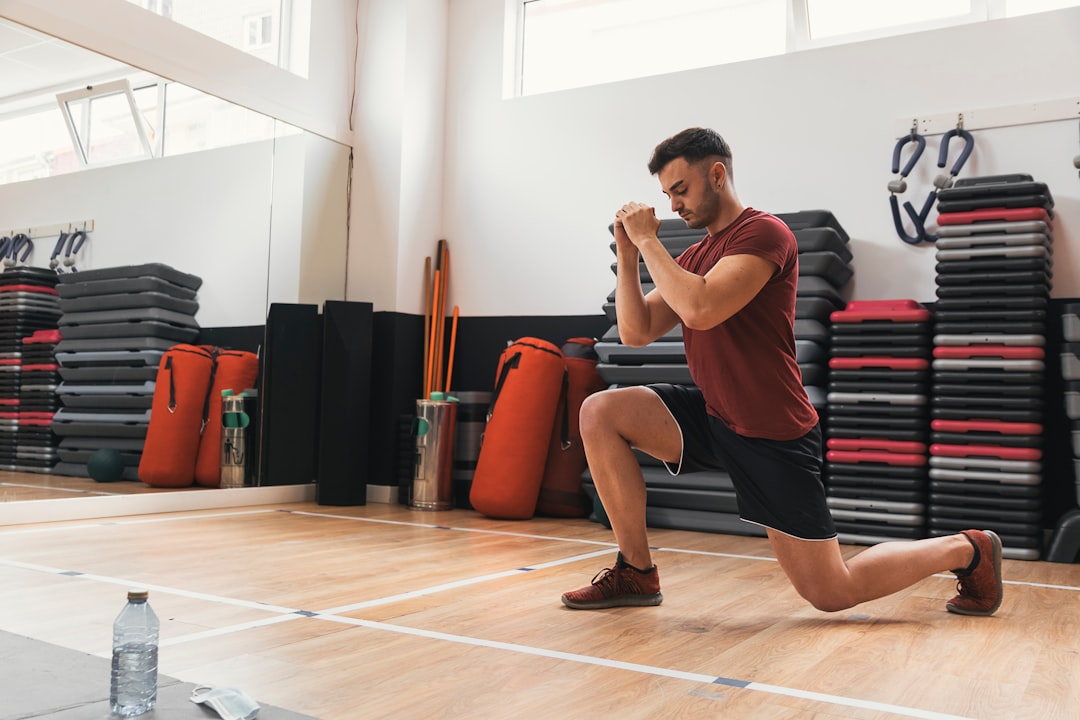
Following these NHS recommendations does not require gym access or costly equipment. Bodyweight exercises such as squats, lunges, push-ups, and planks effectively target these muscle groups. For aerobic activity, walking or jogging in local parks or around neighbourhoods is sufficient. The NHS highlights that benefits increase with activity intensity and duration but emphasises consistency over intensity for beginners.
Physical activity guidelines also recommend avoiding long periods of inactivity, encouraging movement breaks throughout the day. This holistic approach ensures fitness gains while reducing sedentary behaviour risks. Thus, beginners can confidently begin fitness journeys through simple, accessible activities aligned with NHS standards. For more on beginner workout plans UK, see our guide.
The Zero-Equipment Routine That Actually Builds Fitness
You can build fitness effectively without any equipment by following a structured routine focusing on both aerobic and strength components. Begin with a warm-up of 5 minutes of brisk walking or marching on the spot to prepare muscles and joints.
Next, perform strength exercises targeting major muscle groups: 2 sets of 10–15 repetitions each of squats, lunges, knee push-ups, glute bridges, and planks held for 20–30 seconds. Rest 30–60 seconds between exercises. This routine aligns with NHS strength exercises at home recommendations and can be done in your living room.
For aerobic fitness, aim for 30 minutes of brisk walking or cycling five days per week. If 30 minutes is too long initially, split sessions into 10-minute intervals throughout the day. The NHS physical activity guidelines show that accumulating activity in short bouts is equally effective.
Progress by increasing repetitions, sets, or duration gradually each week. This approach builds strength and endurance safely without equipment or gym visits. Local parks and green spaces provide excellent venues for aerobic sessions without cost.
If you’re tired of paying personal trainers or apps to tell you what to do, it’s time to take control. The Kira Mei full-stack educational blueprint teaches you exactly how to build your own personalised fitness and nutrition programmes — no fluff, no gimmicks. For just £49.99 or £79.99, you’ll learn the skills to design plans that actually work for you, so you never have to rely on someone else’s cookie-cutter approach again.
How to Make Home Workouts Hard Enough to Matter
The three mistakes that prevent progress in home workouts are: performing exercises with poor form, insufficient intensity, and lack of progression.
Poor form increases injury risk and reduces exercise effectiveness. For example, shallow squats or improper push-up alignment limit muscle engagement. Using mirrors or recording yourself helps maintain correct technique.
Insufficient intensity means workouts do not challenge the cardiovascular or muscular systems enough to elicit improvements. Beginners should aim to reach a moderate intensity where talking is possible but singing is difficult, matching NHS guidelines.
Lack of progression stalls gains. The body adapts quickly, so increasing repetitions, sets, or exercise difficulty each week is essential. For instance, progressing from knee push-ups to standard push-ups or extending plank holds builds strength over time.
Avoiding these mistakes ensures home workouts meet NHS recommended exercise guidelines and result in measurable fitness improvements.
When (and How) to Add Equipment Without Wasting Money
Contrary to popular belief, equipment is not essential for effective exercise, but smart additions can enhance progress and variety. The NHS strength exercises at home page suggests simple equipment like resistance bands or light dumbbells can boost muscle activation.
Starting with bodyweight exercises is recommended to master form and build baseline strength. Once consistent, introducing a resistance band costing under £10 can increase exercise intensity, for example by adding band-resisted squats or rows. This aligns with NHS guidelines for progressive overload.
Purchasing equipment from budget retailers or supermarkets ensures low cost. Avoid over-investing in expensive machines or complex kits that may discourage continued use. The NHS physical activity guidelines emphasise that adherence and consistency matter more than equipment sophistication.
Small investments in versatile items allow gradual challenge increases without wasting money. This approach supports sustainable fitness improvements for UK beginners.
Stop paying someone else to tell you what to do. Learn how to create your own effective fitness and nutrition programmes with the Kira Mei full-stack bundle. For £49.99 or £79.99, you get a comprehensive blueprint that puts you in control — no apps, no subscriptions, just real knowledge.
Your Free, No-Excuses Weekly Plan
Start your week with 3 sessions of strength exercises lasting 20–30 minutes each, targeting all major muscle groups with bodyweight moves like squats, lunges, push-ups, glute bridges, and planks. Space these sessions evenly, for example Monday, Wednesday, and Friday.
In addition, aim for 30 minutes of moderate aerobic activity such as brisk walking or cycling on at least 5 days during the week. If time is limited, break this into 10-minute bouts.
Rest days are important; use these for light stretching or gentle movement to aid recovery. Monitor your progress weekly, increasing repetitions or duration incrementally.
Following this plan meets NHS physical activity guidelines for adults in the UK. The NHS Couch to 5K free programme offers a structured running plan ideal for beginners looking to improve aerobic fitness safely over 9 weeks through walk-run intervals, following NHS physical activity guidelines.
Frequently Asked Questions
What are the NHS recommended exercise guidelines for UK beginners?
The NHS recommends adults aged 19 to 64 aim for at least 150 minutes of moderate aerobic activity weekly plus muscle-strengthening exercises on two or more days. Beginners should start gently and gradually increase activity to meet these targets safely.
How often should beginners do strength exercises according to the NHS?
NHS guidelines advise performing strength exercises targeting major muscle groups at least twice per week. Each session should include exercises like squats, lunges, and push-ups to build muscle and bone strength.
Can NHS recommended aerobic exercise be split into shorter sessions?
Yes, the NHS physical activity guidelines state that aerobic exercise can be accumulated in bouts of at least 10 minutes to reach the 150-minute weekly target, making it easier for beginners to fit activity into their day.
What are safe ways for UK beginners to progress home workouts?
Beginners should focus on proper form, gradually increase exercise repetitions, sets, or duration, and add simple equipment like resistance bands when ready. This aligns with NHS advice to avoid injury and improve fitness steadily.
Is the NHS Couch to 5K programme suitable for beginner exercisers?
Yes, the NHS Couch to 5K free programme is designed for beginners to build aerobic fitness safely over 9 weeks through walk-run intervals, following NHS physical activity guidelines.
Ready to stop paying for cookie-cutter plans? Get the Kira Mei full-stack bundle today and learn how to build your own effective programmes for just £49.99 or £79.99 — no nonsense, no subscriptions.
Disclaimer: This article is for informational purposes only and does not constitute medical, nutritional, or professional fitness advice. Always consult a qualified healthcare professional before making changes to your diet or exercise routine.
Leave a Reply