
Kira Mei is a certified personal trainer and nutrition coach specialising in fitness for UK adults over 40. She helps beginners build sustainable habits without the gym intimidation, fad diets, or wasted effort.
High-Intensity Interval Training (HIIT) is often seen as too intense for those just starting fitness in the UK. However, when approached correctly, HIIT can be an efficient, no-equipment workout option for complete beginners. This guide breaks down how to start HIIT safely, avoid common pitfalls, and build fitness without a gym. It includes practical routines and aligns with NHS physical activity recommendations to help beginners progress steadily and affordably. For more on beginner workout plans UK, see our guide.
You Don't Need a Gym Membership to Get Fit
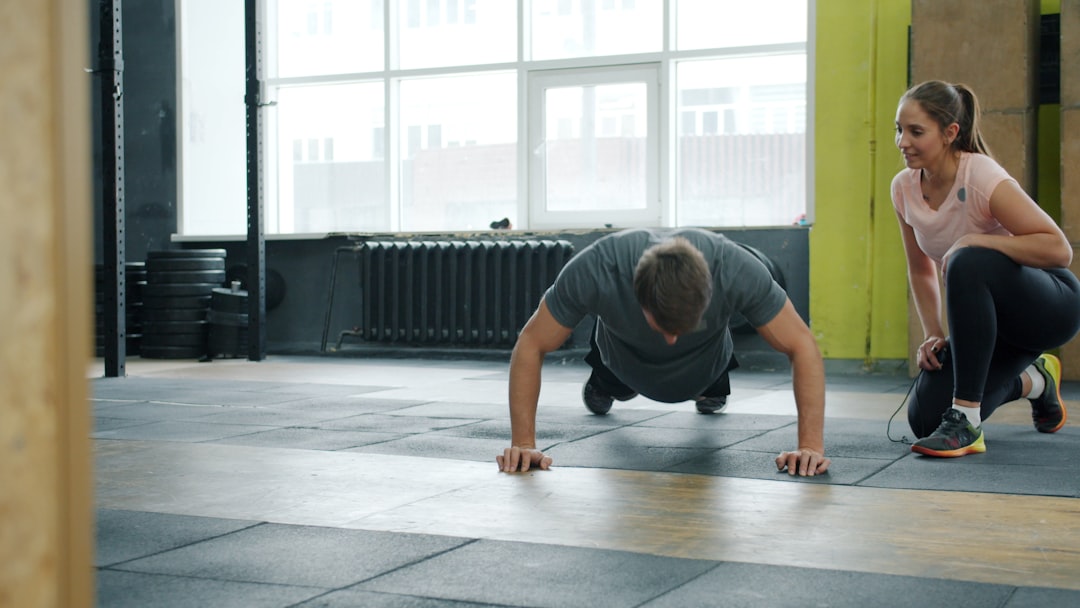
HIIT is a style of exercise that does not require a gym membership or specialist equipment. The NHS strength exercises at home resource highlights that bodyweight exercises such as squats, lunges, and modified push-ups can effectively improve strength and cardiovascular fitness. This means UK beginners can perform HIIT workouts safely and effectively in their living rooms or gardens. According to the NHS physical activity guidelines, adults should aim for muscle-strengthening activities on two or more days a week alongside aerobic exercise. HIIT workouts can combine these elements, making them a comprehensive fitness option without any cost. This accessibility removes common barriers like gym fees or travel time, which often prevent people from starting exercise.
The Zero-Equipment Routine That Actually Builds Fitness
A straightforward zero-equipment HIIT routine starts with a warm-up of 3 to 5 minutes of light marching or arm circles. Follow this with 20 seconds of work and 40 seconds of rest per exercise, repeating the circuit 3 to 4 times. Exercises can include bodyweight squats, knee push-ups, glute bridges, and low-impact jumping jacks. The British Heart Foundation home exercise recommendations support these moves as safe and beneficial for heart health. Grocery stores like Tesco or Sainsbury’s often have free community boards or local groups offering tips for home workouts, which beginners can tap into. This routine builds cardiovascular fitness and muscular strength steadily without overwhelming new exercisers. Gradual progression by increasing work intervals by 5 seconds every two weeks helps maintain challenge while reducing injury risk.
Stop paying someone else to tell you what to do. For just £49.99, the Kira Mei full-stack bundle teaches you how to build your own effective fitness and nutrition plans that suit your lifestyle and goals. This blueprint cuts through the nonsense, giving you the tools to take control without relying on personal trainers or gimmicks. Get it now at https://www.kiramei.co.uk/bundle.
How to Make Home Workouts Hard Enough to Matter
The three main mistakes that limit beginner HIIT progress are: 1) Exercising at too high intensity, leading to burnout or injury; 2) Skipping warm-ups and cool-downs, which increases muscle soreness and injury risk; 3) Neglecting rest days, which hinders recovery and fitness gains. These errors cause beginners to abandon workouts or get stuck at low fitness levels. Ensuring intensity matches current ability means choosing exercises and work-to-rest ratios that can be sustained safely. The NHS strength exercises at home guidelines recommend progressing slowly and listening to your body’s signals. Including rest days and gentle stretching improves recovery and motivation. By avoiding these mistakes, beginners can build a consistent routine that produces measurable results.
When (and How) to Add Equipment Without Wasting Money
Adding equipment too early can be counterproductive. Research shows that over 60% of home fitness equipment goes unused after purchase. For beginners, simple items like resistance bands or a yoga mat provide versatility and low cost. Resistance bands support muscle strengthening without heavy weights, aligning with NHS physical activity guidelines. Evidence suggests investing in equipment after mastering bodyweight exercises improves workout quality and reduces injury risk. UK discount retailers and supermarkets often sell affordable bands under £10, making them accessible. Waiting until a routine is established ensures money is spent only when necessary, preventing wasted expenditure and clutter.
Stop paying someone else to tell you what to do. For just £49.99, the Kira Mei full-stack bundle teaches you how to build your own effective fitness and nutrition plans that suit your lifestyle and goals. This blueprint cuts through the nonsense, giving you the tools to take control without relying on personal trainers or gimmicks. Get it now at https://www.kiramei.co.uk/bundle.
Your Free, No-Excuses Weekly Plan
Begin with three HIIT sessions per week, each lasting 15 to 20 minutes, including warm-up and cool-down. Example session: 3 rounds of 20 seconds work (squats, knee push-ups, glute bridges, marching) with 40 seconds rest between exercises. On non-HIIT days, perform NHS Couch to 5K free programme walking/running sessions to build aerobic fitness gradually. Include two days with NHS strength exercises at home focusing on major muscle groups. Track progress weekly by noting improvements in repetitions or reduced rest times. This structure meets NHS physical activity guidelines while remaining manageable.
Frequently Asked Questions
Is HIIT suitable for complete beginners in the UK?
Yes, HIIT is suitable for complete beginners in the UK when exercises are adapted for fitness level and rest intervals are sufficient. The NHS physical activity guidelines recommend including vigorous activity like HIIT to achieve at least 75 minutes weekly, and beginners can start with low-impact moves and short work periods to build fitness safely.
How often should beginners do HIIT workouts?
Beginners should aim for 2 to 3 HIIT sessions per week, each lasting 15 to 20 minutes including warm-up and cool-down. This frequency aligns with NHS advice on muscle-strengthening activities twice weekly and aerobic exercise, allowing adequate recovery between sessions.
What are the best HIIT exercises for beginners at home?
Best HIIT exercises for beginners include bodyweight squats, knee push-ups, glute bridges, and low-impact jumping jacks. These exercises require no equipment and follow NHS strength exercises at home recommendations, providing a safe foundation for building fitness.
Can HIIT replace traditional gym workouts for beginners?
HIIT can replace traditional gym workouts for beginners by offering efficient cardiovascular and strength benefits without equipment. The NHS physical activity guidelines support HIIT as a way to meet weekly activity targets, making it a practical alternative for those avoiding gyms.
How can beginners avoid injury when starting HIIT in the UK?
Beginners can avoid injury by starting with low-impact exercises, using proper technique, including warm-up and cool-down, and gradually increasing intensity. NHS strength exercises at home and physical activity guidelines recommend progressing slowly and resting sufficiently to reduce injury risk.
Stop paying someone else to tell you what to do. For just £49.99, the Kira Mei full-stack bundle teaches you how to build your own effective fitness and nutrition plans that suit your lifestyle and goals. This blueprint cuts through the nonsense, giving you the tools to take control without relying on personal trainers or gimmicks. Get it now at https://www.kiramei.co.uk/bundle.
Disclaimer: This article is for informational purposes only and does not constitute medical, nutritional, or professional fitness advice. Always consult a qualified healthcare professional before making changes to your diet or exercise routine.
Leave a Reply