
Kira Mei is a certified personal trainer and nutrition coach specialising in fitness for UK adults over 40. She helps beginners build sustainable habits without the gym intimidation, fad diets, or wasted effort.
Starting at the gym with no clear plan can feel overwhelming, especially in the UK where gym memberships and workout options vary widely. Many beginners wonder what to do first or how to progress safely. This guide offers practical, actionable advice for those unsure about gym routines, focusing on simple exercises, progression strategies, and cost-effective ways to build fitness without confusion or wasted effort. For more on beginner workout plans UK, see our guide.
You Don't Need a Gym Membership to Get Fit
Fitness does not require a gym membership. Physical activity includes walking, cycling, household chores, and at-home exercises. The NHS physical activity guidelines for adults aged 19 to 64 recommend at least 150 minutes of moderate aerobic activity per week, such as brisk walking or cycling. Strength training on two or more days weekly targets all major muscle groups, helping to maintain muscle mass and bone density. This approach is backed by government health bodies to reduce risks of chronic diseases and improve mental health. Simple home routines following these guidelines can be as effective as gym sessions for beginners. Consistency over intensity is crucial, especially when starting. Regular movement breaks during the day also contribute to meeting guidelines without structured gym time.
The Zero-Equipment Routine That Actually Builds Fitness
You can build meaningful fitness without equipment by following a structured bodyweight routine. Begin with exercises like squats, lunges, push-ups, planks, and glute bridges. Perform each move for 30–45 seconds with 15-second rests, cycling through 3 rounds initially. This routine targets all major muscle groups and improves cardiovascular health. For example, bodyweight squats strengthen the legs and core, while push-ups build upper body strength. UK supermarkets and high-street stores offer affordable resistance bands and mats, but these are optional. Aim to repeat this routine 3 times a week, gradually increasing reps or sets. The NHS strength exercises at home provide detailed instructions and variations to suit different fitness levels. Tracking progress by noting reps or duration helps maintain motivation and ensures steady improvement.
How to Make Home Workouts Hard Enough to Matter
The three common mistakes that limit workout effectiveness are lack of progression, inconsistent form, and insufficient frequency. Without progression, muscles adapt quickly, halting gains. To avoid this, increase reps, sets, or reduce rest over time. Poor form can cause injury and reduce efficiency; following NHS strength exercises at home guidelines ensures safe technique. Exercising less than twice weekly won’t yield significant strength gains. Adhering to at least two strength sessions per week aligns with NHS recommendations. Adding intensity through tempo changes or unilateral exercises also challenges muscles more. Keeping workouts short but focused avoids burnout and fits busy UK lifestyles. Consistency and gradual overload form the foundation for effective home workouts.
When (and How) to Add Equipment Without Wasting Money
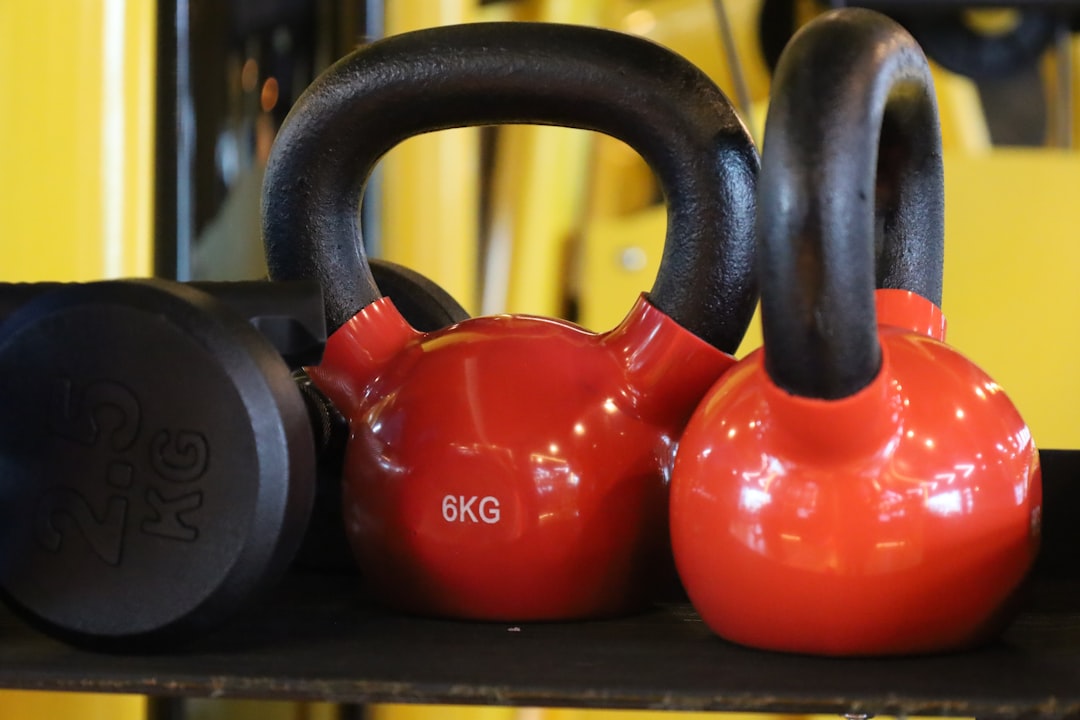
Adding equipment can enhance workouts but is only necessary when bodyweight exercises become too easy. Contrary to popular belief, expensive machines or gym contracts are not essential. Start with affordable, versatile tools like resistance bands or adjustable dumbbells. Resistance bands cost under £20 and offer scalable resistance for strength progression. Evidence shows progressive overload is key to muscle growth, which can be achieved with simple tools. The British Heart Foundation highlights home exercise options that require minimal equipment. Buying equipment incrementally based on specific goals prevents wasted spending. Look for multi-use items and avoid impulse purchases. Secondhand markets and local UK sports stores often have cost-effective options.
Your Free, No-Excuses Weekly Plan
Begin by scheduling 30-minute sessions three times a week. Day one: perform the zero-equipment routine with squats, push-ups, lunges, planks, and bridges. Day two: brisk walking or cycling for 30 minutes following NHS physical activity guidelines. Day three: repeat strength routine, increasing reps or sets slightly. Rest days focus on light movement or stretching. Week by week, adjust intensity by adding reps, sets, or shortening rest periods. Track progress in a notebook or phone app. Supplement with balanced meals based on the NHS Eatwell Guide to support recovery. The NHS Couch to 5K free programme offers a gradual running plan for cardiovascular fitness and can complement strength work.
Frequently Asked Questions
What should I do if I don’t know what to do in the gym UK?
Start by following the NHS physical activity guidelines recommending at least 150 minutes of moderate-intensity aerobic activity weekly and muscle-strengthening exercises on two or more days. Use simple bodyweight exercises like squats, lunges, and push-ups. Progress gradually and focus on consistency to build fitness safely.
Can I get fit without a gym membership in the UK?
Yes. The NHS advises at least 150 minutes of moderate physical activity weekly, which can include walking, cycling, or home workouts with no equipment. Strength exercises twice weekly using bodyweight movements are sufficient to improve fitness without a gym.
How often should beginners work out in the gym UK?
Beginners should aim for 3 sessions per week, focusing on 30–45 minutes each. This includes aerobic activity plus two strength sessions targeting all major muscle groups, aligning with NHS physical activity guidelines for adults aged 19 to 64.
What are effective exercises for beginners who don’t know what to do in the gym?
Effective beginner exercises include bodyweight squats, lunges, push-ups, planks, and glute bridges. These cover major muscle groups and can be performed anywhere. The NHS strength exercises at home resource offers step-by-step guidance on these moves.
Is there a free workout plan for UK beginners who are unsure what to do in the gym?
Yes, the NHS Couch to 5K free programme provides a gradual running plan for beginners. It complements strength training and meets NHS physical activity guidelines, offering a structured, no-cost approach to improve fitness.
Stop paying someone to tell you what to do. Take control with Kira Mei’s Full Stack Blueprint — the only educational programme that teaches you how to build your own effective fitness plans without relying on personal trainers. For just £79.99, you’ll get the full blueprint to design, customise, and progress your workouts on your terms. No fluff, no gimmicks — just real, practical knowledge. Get the Full Stack Bundle now and realise your potential.
Disclaimer: This article is for informational purposes only and does not constitute medical, nutritional, or professional fitness advice. Always consult a qualified healthcare professional before making changes to your diet or exercise routine.
Leave a Reply