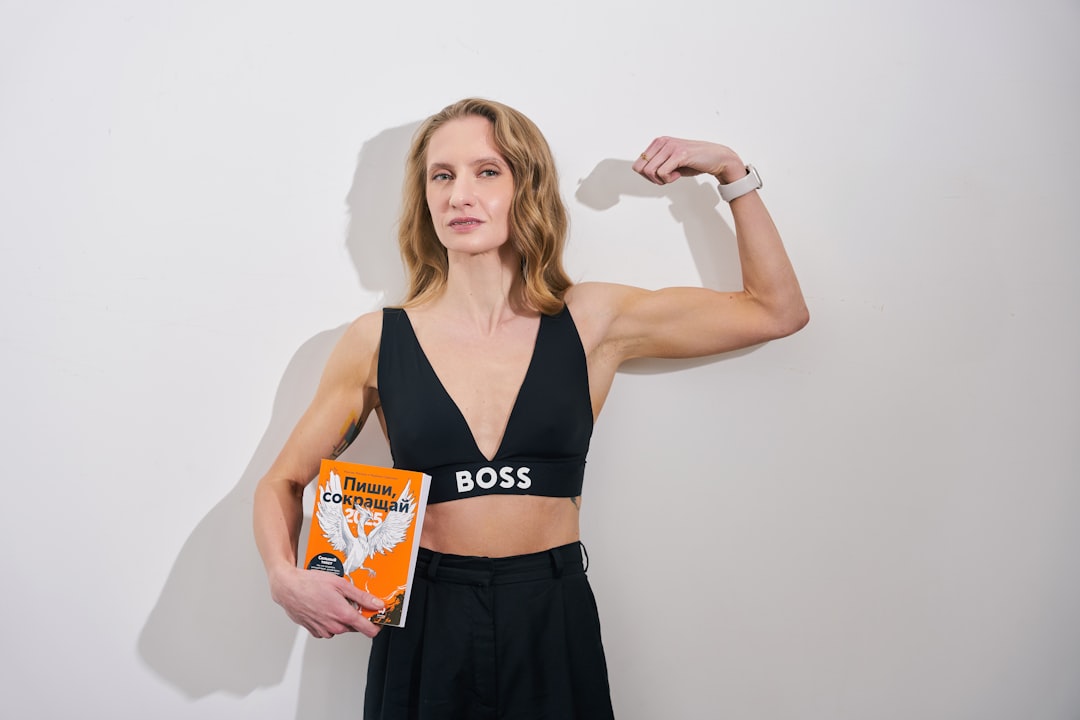

Kira Mei is a certified personal trainer and nutrition coach specialising in fitness for UK adults over 40. She helps beginners build sustainable habits without the gym intimidation, fad diets, or wasted effort.
Full body workouts at home without equipment are a practical way to stay fit in the UK, especially when gyms are inaccessible or costly. Many attempt random exercises but lack a structured plan, resulting in little progress and frustration. This guide explains how to perform an effective, equipment-free workout that covers all major muscle groups, follows proven UK physical activity standards, and suits beginners. You’ll discover why popular myths like needing weights or 'going hard or going home' can hinder your results, and how to build a sustainable fitness habit at home. For more on fitness guides, see our guide.
The Fitness Advice That's Actually Holding You Back
Full body workouts are defined by their ability to engage multiple muscle groups in one session, optimising time and results. However, widespread advice often suggests focusing on isolated muscles or relying heavily on equipment. The Sport England Active Lives research shows that only 63% of adults meet recommended activity levels, partly due to ineffective or confusing fitness advice that discourages consistency. Common myths include the belief that you need weights to build muscle and that cardio alone suffices for fat loss. These misconceptions lead to workouts that neglect strength development or overemphasise endurance, causing plateaus and frustration. Instead, bodyweight exercises can provide sufficient resistance when done correctly, promoting strength, mobility, and calorie burn without any gear.
What the Science (and Experience) Actually Says
Effective full body workouts at home focus on compound movements that recruit multiple joints and muscles simultaneously. A reliable routine includes squats to target lower body, push-ups for chest and arms, planks for core stability, and glute bridges to activate the posterior chain. Each exercise should be performed for 3 sets of 10–15 repetitions with 30–60 seconds rest between sets. Timing sessions to last 30–45 minutes, three times per week, aligns with the NHS physical activity guidelines recommending at least 150 minutes of moderate exercise weekly. Incorporating progressive overload by increasing reps or reducing rest intervals ensures continuous improvement. Supermarkets like Tesco or Sainsbury’s often promote healthy meal options that complement this exercise approach. Avoiding overcomplicated workouts prevents burnout and maintains motivation.
Stop paying someone to tell you what to do. The Kira Mei full-stack blueprint teaches you how to build your own workout and nutrition programmes that actually work — no fluff, no guesswork, just clear, actionable steps. For just £49.99 or £79.99, you get the full system to take control of your fitness without relying on personal trainers or gimmicks.
Why "Go Hard or Go Home" Is the Worst Advice for Beginners
The "go hard or go home" mentality causes three key mistakes that undermine beginner progress. First, it promotes excessive intensity leading to injury or burnout. Beginners often push beyond safe limits without adequate recovery. Second, it ignores the importance of technique, causing poor form and long-term joint issues. Third, it fosters an all-or-nothing mindset that kills consistency when motivation dips. These errors result in early dropouts from exercise routines and wasted effort. Instead, gradual progression with emphasis on control and form is essential for sustainable fitness gains and habit formation.
The Simple Principles That Actually Work Long-Term
Contrary to popular belief, long-term fitness success depends on consistency and adaptability, not intensity or complexity. Research indicates that 150 minutes a week of moderate activity reduces risks of chronic diseases significantly. Incorporating bodyweight strength exercises twice weekly improves muscle tone and metabolic health as highlighted by NHS strength exercises guidance. Prioritising movement variety and rest days prevents plateaus and injury. Mental health benefits from regular physical activity are well-documented by Mind, linking exercise with improved mood and reduced anxiety. Therefore, simple, manageable routines with balanced effort outperform sporadic intense sessions over time.
Stop paying someone to tell you this. Learn how to create your own plans that fit your life and goals with the Kira Mei blueprint.
How to Filter Good Advice from Noise Going Forward
Focus on advice that is evidence-based, realistic, and tailored to your current fitness level. Set clear, measurable goals and track your progress weekly. Use trusted UK health sources like the NHS and Sport England for guidance. Avoid quick fixes promising rapid transformation without effort. Plan workouts around the 150-minute moderate activity threshold and include strength exercises twice weekly. Schedule your sessions in advance and prioritise recovery.
Frequently Asked Questions
How do I do a full body workout at home with no equipment in the UK?
Start with bodyweight exercises such as squats, push-ups, lunges, planks, and glute bridges. Perform 3 sets of 10–15 reps per exercise, resting 30–60 seconds between sets. Aim for 3 sessions per week, each lasting 30–45 minutes, to meet NHS physical activity guidelines for adults aged 19 to 64.
What are the best exercises for a full body workout at home without equipment?
The best exercises target major muscle groups: squats and lunges for legs, push-ups for chest and arms, planks for core, and glute bridges for the posterior chain. These compound movements build strength effectively without any equipment.
How often should I do a full body workout at home with no equipment?
The NHS recommends at least 150 minutes of moderate physical activity weekly, which translates to about three 30–45 minute full body sessions per week. This frequency supports muscle strength and cardiovascular health.
Can I build muscle at home without any equipment in the UK?
Yes, building muscle at home without equipment is possible through progressive bodyweight exercises performed consistently. Increasing repetitions, sets, or decreasing rest time progressively challenges muscles, promoting growth as supported by NHS strength exercises advice.
Is a full body workout better than split workouts for beginners at home?
For beginners, full body workouts are generally more effective as they stimulate all major muscle groups multiple times per week, aiding strength and fitness development. This approach aligns with Sport England research indicating improved adherence and outcomes compared to split routines.
Stop paying someone to tell you what to do. Get the Kira Mei full-stack blueprint for just £49.99 or £79.99 and learn to build your own effective workout and nutrition programmes.
Disclaimer: This article is for informational purposes only and does not constitute medical, nutritional, or professional fitness advice. Always consult a qualified healthcare professional before making changes to your diet or exercise routine.
Leave a Reply