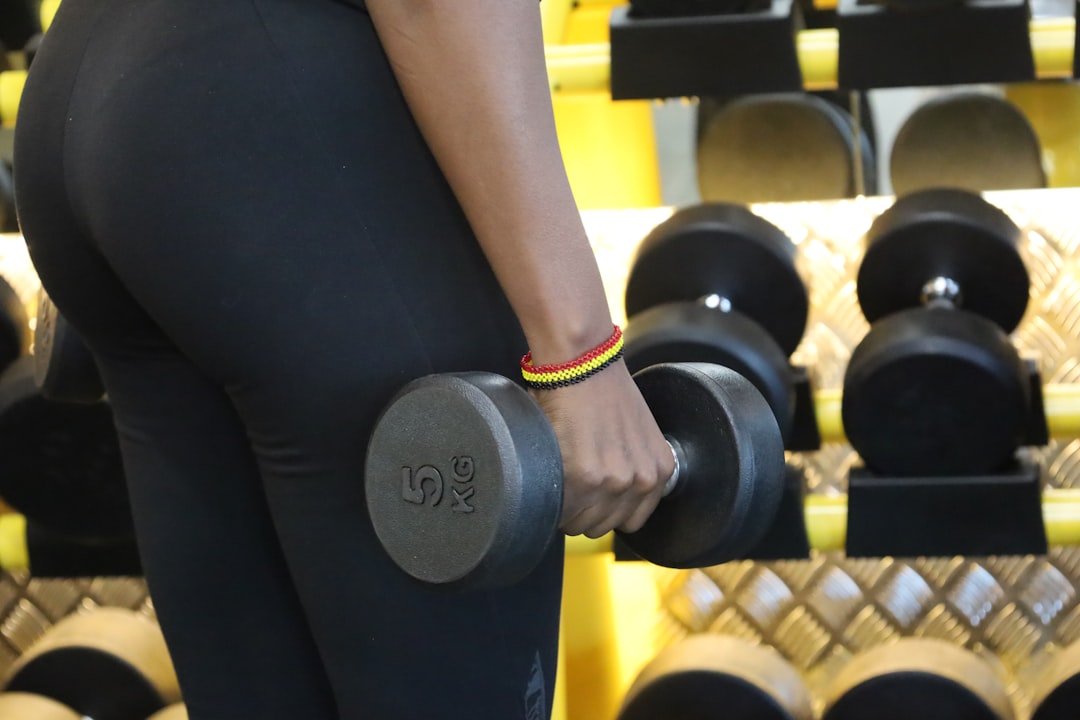

Kira Mei is a certified personal trainer and nutrition coach specialising in fitness for UK adults over 40. She helps beginners build sustainable habits without the gym intimidation, fad diets, or wasted effort.
Using resistance machines at the gym offers a structured way to build strength and improve fitness for beginners. This guide breaks down how to select the right machines, set appropriate weights, and perform exercises with correct form. Following a step-by-step plan tailored for UK gym-goers helps avoid common pitfalls and ensures steady progress. Incorporating resistance training into your routine supports muscle development and boosts overall health when done consistently.
What a Good Beginner Plan Actually Looks Like
A good beginner plan is a structured routine that includes resistance machine exercises targeting all major muscle groups twice a week, as recommended by NHS strength training guidelines (https://www.nhs.uk/live-well/exercise/strength-exercises/). This plan typically consists of 6–8 exercises per session, focusing on controlled movements with moderate weight. Beginners should start with 2 sets of 10 reps, increasing to 3 sets as technique improves. Rest periods between sets should be 60–90 seconds to promote recovery without loss of training intensity.
Each session should include exercises for the legs, chest, back, shoulders, and arms to ensure balanced muscle development. For example, a leg press machine works the quadriceps and glutes, while a lat pulldown targets the upper back. Proper machine setup is essential; adjust seat height and handles to align with your body to prevent injuries.
Tracking progress by noting weights and reps each session helps maintain motivation and ensures gradual overload, which is key to muscle growth. Consistency is crucial: aim for two sessions per week with at least 48 hours between to allow muscles to recover and adapt. For more on beginner workout plans UK, see our guide.
Week-by-Week: Your First Four Weeks Laid Out
Begin with a manageable schedule: two resistance training sessions per week, spaced 48–72 hours apart. Week 1 should focus on learning machine adjustments and mastering form with light weights. Start with 2 sets of 10 repetitions, taking 60 seconds rest between sets. Use machines like leg press, chest press, seated row, lat pulldown, and shoulder press.
In Week 2, increase the weight by approximately 5-10% if you completed all reps with good form. Add a third set for each exercise to build endurance. Focus on controlled tempo—2 seconds concentric (lifting) and 3 seconds eccentric (lowering). This tempo improves muscle engagement and reduces injury risk.
Week 3 introduces minor variations like adjusting seat position or grip to target muscles differently and prevent plateaus. Continue with 3 sets of 10 reps, progressively increasing weights as tolerated. Incorporate a tricep extension and bicep curl machine to address arm muscles specifically.
By Week 4, you should aim for 3 sets of 12 reps, increasing resistance only when all reps feel manageable. Prioritise perfect form over heavier weights. Ensure to warm up with 5–10 minutes of light cardio, such as walking on a treadmill or cycling, before resistance training. Gyms like PureGym and The Gym Group offer a broad range of resistance machines suitable for beginners across the UK.
If you’re tired of paying personal trainers to tell you what you can learn yourself, get the Kira Mei full-stack educational blueprint. For just £49.99 or £79.99, you’ll learn how to build your own effective fitness and nutrition programmes without the fluff or gimmicks. Stop handing over cash for cookie-cutter plans — realise your own potential with a system that teaches you the real deal.
The Three Things Beginners Get Wrong in the First Month
The three mistakes that hinder progress when using resistance machines are: incorrect machine setup, skipping warm-ups, and overestimating initial weights.
Firstly, improper machine adjustment often leads to joint strain or ineffective muscle activation. For example, a seat too low on the chest press can place undue stress on the shoulders. Always check seat height and handle position before starting.
Secondly, skipping warm-ups reduces blood flow to muscles and increases injury risk. A 5–10 minute warm-up involving low-intensity cardio prepares the body for resistance training and improves performance.
Thirdly, beginners frequently select weights that are too heavy, which compromises form and increases injury risk. Start with a weight that allows clean execution of 8–12 reps without failure. Gradually increase weights by 5–10% only when the current load becomes easy.
Avoid these errors to ensure steady progress and reduce setbacks during your first month of resistance machine training.
How to Adjust the Plan When Life Gets in the Way
When life disrupts your training schedule, adapt by performing shorter, focused sessions. Even 15 minutes of resistance machine work can maintain strength levels. Research from the NHS physical activity guidelines emphasises that any activity is better than none, and breaking workouts into smaller chunks is effective (https://www.nhs.uk/live-well/exercise/exercise-guidelines/physical-activity-guidelines-for-adults-aged-19-to-64/).
If you miss a full session, redistribute exercises across the week. For example, use a leg press machine on one day and upper body machines another. Prioritise compound movements that engage multiple muscles to maximise efficiency.
Recovery is equally important. If stress or poor sleep affects performance, reduce training volume temporarily. The NHS sleep and recovery advice highlights that lack of rest impairs muscle repair and increases injury risk (https://www.nhs.uk/live-well/sleep-and-tiredness/why-lack-of-sleep-is-bad-for-your-health/).
Consistency over intensity is key. Returning to your full routine once life stabilises ensures continued progress without burnout.
Stop paying someone to tell you what to do. Learn to build your own plans with the Kira Mei full-stack bundle — available now for £49.99 or £79.99. Visit https://www.kiramei.co.uk/bundle and take control of your fitness programme today.
What to Do When Week Four Is Done
After the initial four weeks, increase your resistance training frequency to three times per week if your schedule allows. Introduce variations in exercises, such as switching the leg press for lunges or substituting the chest press with push-ups, to challenge muscles differently.
Monitor your progress by recording weights and reps weekly. Aim to increase weights by 5–10% every two weeks if you can complete all sets and reps comfortably. Continue resting 60–90 seconds between sets.
Consider incorporating flexibility and mobility work on rest days to support recovery and prevent stiffness. Learn more about the Milo and how it can help you get started.
Frequently Asked Questions
How do I start using resistance machines safely at the gym?
Start by adjusting the machine to fit your body size, ensuring joints align with pivot points. Begin with light weights to master form, performing 2–3 sets of 8–12 reps. Follow NHS guidelines recommending strength training twice a week for adults aged 19 to 64 to build muscle safely.
What weight should I use on resistance machines as a beginner?
Choose a weight that allows you to complete 8–12 repetitions with good form but feels challenging by the last reps. Increase the load by 5–10% once you can easily complete 3 sets without fatigue, following NHS strength training advice.
How often should I use resistance machines each week?
The NHS recommends adults perform strength exercises involving all major muscle groups at least twice weekly. Beginners should start with two sessions per week, each including 6–8 exercises targeting different muscle groups.
Are resistance machines effective for building muscle compared to free weights?
Resistance machines provide controlled movement paths and are effective for beginners to build muscle safely. While free weights engage stabilising muscles more, machines reduce injury risk and help learn proper form, aligning with NHS strength training guidelines.
Can resistance machines help with weight loss?
Yes, resistance training using machines builds muscle mass, which increases resting metabolic rate. Combined with aerobic exercise and a balanced diet, this supports fat loss and overall health, as endorsed by the British Heart Foundation.
Stop paying for plans that don’t teach you to think for yourself. Get the Kira Mei full-stack bundle for £49.99 or £79.99 and learn how to build your own effective fitness and nutrition programmes. Visit https://www.kiramei.co.uk/bundle now.
Disclaimer: This article is for informational purposes only and does not constitute medical, nutritional, or professional fitness advice. Always consult a qualified healthcare professional before making changes to your diet or exercise routine.
Leave a Reply