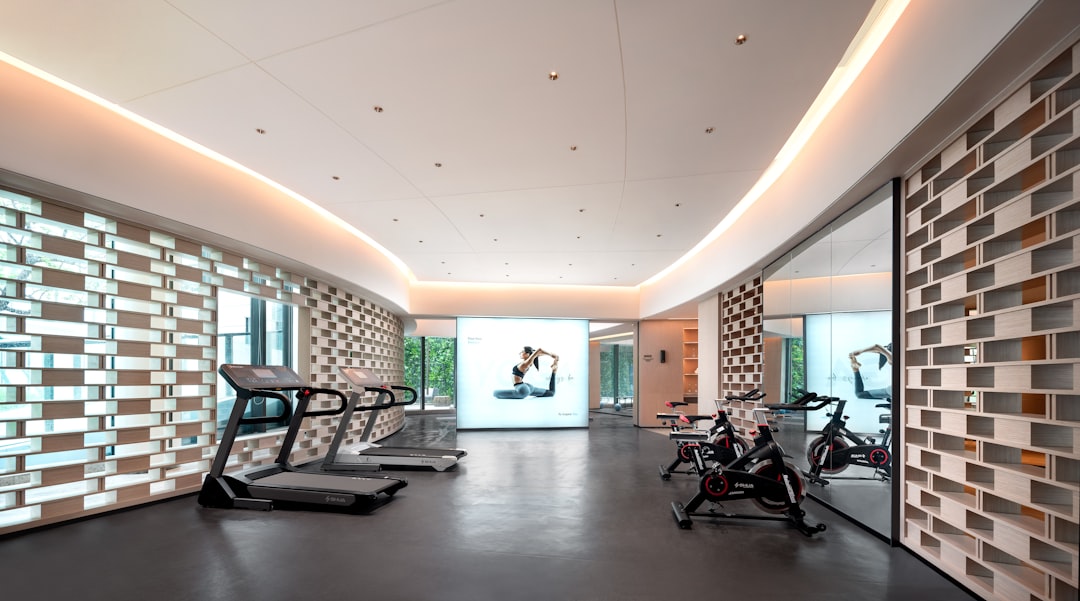
Author: BeginnerFitness

  • How to Improve Cardio Fitness Quickly UK Beginner Guide

    How to Improve Cardio Fitness Quickly UK Beginner Guide

    Improving cardio fitness quickly requires a focus on the right approach rather than popular myths that waste time and energy. Many beginners in the UK struggle because they follow advice that emphasises intensity over consistency or neglects proper recovery. This guide breaks down practical, evidence-based steps to build endurance effectively, including how often and how hard to train. It also covers common mistakes and how to avoid them for faster results. For more on beginner workout plans UK, see our guide.

    The Fitness Advice That's Actually Holding You Back

    Cardiovascular fitness is the ability of the heart, lungs, and blood vessels to supply oxygen during sustained physical activity. A common misconception is that only intense, lengthy workouts improve cardio fitness, but this ignores NHS physical activity guidelines recommending at least 150 minutes of moderate exercise weekly for adults aged 19 to 64. Many beginners believe they must train daily or run long distances quickly, but this often leads to fatigue and injury. Another myth is that cardio workouts require expensive gym equipment or outdoor running, whereas brisk walking or cycling suffice. Sport England Active Lives research shows that consistent moderate activity can significantly improve fitness and reduce disease risk. The key is gradual progression and consistency rather than intensity alone.

    What the Science (and Experience) Actually Says

    The fastest way for UK beginners to boost cardio fitness is by following a structured plan combining aerobic and strength training with measured progression. Start with 20-30 minute moderate-intensity sessions, such as brisk walking or cycling, 3-4 times weekly. The NHS Couch to 5K programme is an excellent example, gradually increasing running intervals to build stamina safely. Strength exercises twice weekly support muscle endurance and cardiovascular efficiency. Supermarkets like Tesco and Sainsbury's stock nutritious foods aligned with the NHS Eatwell Guide to fuel workouts properly. Progress by adding 5% more time or intensity each week, avoiding sudden spikes that cause injury. Monitoring heart rate during exercise ensures training stays within aerobic zones to maximise benefits.

    Why "Go Hard or Go Home" Is the Worst Advice for Beginners

    The "go hard or go home" mentality causes three key mistakes that stall cardio progress. First, overtraining leads to exhaustion or injury, forcing unwanted breaks. Second, beginners neglect recovery, which is when fitness adaptations occur. Third, focusing solely on high-intensity workouts creates unsustainable habits and burnout. These errors often result in loss of motivation and dropping out. Instead, pacing exercise intensity to individual fitness levels and allowing rest days improves endurance steadily. The British Heart Foundation emphasises that moderate activity sustained over time yields better cardiovascular health outcomes than sporadic intense sessions.

    The Simple Principles That Actually Work Long-Term

    Contrary to popular belief, slow and steady improvements are more effective for long-term cardio fitness. Moderate exercise performed regularly, combined with strength training, supports heart health and mental well-being. Mind highlights that physical activity reduces anxiety and depression symptoms, reinforcing the importance of consistency over intensity. Incorporating variety, such as walking, cycling, and swimming, prevents boredom and overuse injuries. Tracking progress through simple metrics like walking distance or heart rate recovery helps maintain motivation. Following NHS strength exercises twice a week complements aerobic work by improving muscle function and injury prevention.

    Stop paying someone to tell you what to do. Instead, get the Kira Mei full-stack educational blueprint for just £49.99 or £79.99, and learn how to build your own effective fitness and nutrition plans that suit your lifestyle and goals. No fluff, no gimmicks, just real knowledge you can use. Get the full-stack bundle now.

    How to Filter Good Advice from Noise Going Forward

    Focus on advice grounded in official UK health guidelines and evidence. Prioritise programmes that balance aerobic and strength training, schedule rest days, and emphasise gradual progression. Avoid quick fixes promising rapid results through extreme intensity or fad diets. Set measurable short-term goals with realistic timelines, such as increasing walking pace over four weeks. Consult trusted sources like NHS, Sport England, and Mind for accurate information.

    Frequently Asked Questions

    How can a beginner in the UK improve cardio fitness quickly?

    A UK beginner can improve cardio fitness quickly by following the NHS physical activity guidelines recommending 150 minutes of moderate aerobic exercise weekly, such as brisk walking or cycling, combined with strength training twice per week. Gradually increasing exercise duration and intensity while allowing rest days ensures steady progress and reduces injury risk.

    What is the best workout to improve cardiovascular health for UK beginners?

    The best workout for UK beginners to improve cardiovascular health involves moderate-intensity activities like brisk walking, cycling, or swimming for 20-30 minutes, 3-4 times a week. The NHS Couch to 5K programme is a proven method to build running endurance safely and effectively over several weeks.

    Why is moderate exercise better than high-intensity for beginners?

    Moderate exercise is better for beginners because it reduces the risk of injury and burnout while supporting gradual cardiovascular improvements. The British Heart Foundation highlights that sustained moderate activity over time produces more consistent heart health benefits than sporadic high-intensity sessions.

    How often should beginners do strength training to support cardio fitness?

    Beginners should do strength training at least twice a week to complement aerobic activities. NHS strength exercises improve muscle endurance and overall cardiovascular efficiency, helping prevent injuries and enhancing workout performance.

    What common mistakes slow down cardio fitness improvement?

    Common mistakes include training too hard too soon, neglecting rest and recovery, and relying only on high-intensity workouts. These cause fatigue, injury, and loss of motivation. Gradual progression and balanced training lead to faster, sustainable cardio fitness gains.

    Disclaimer: This article is for informational purposes only and does not constitute medical, nutritional, or professional fitness advice. Always consult a qualified healthcare professional before making changes to your diet or exercise routine.


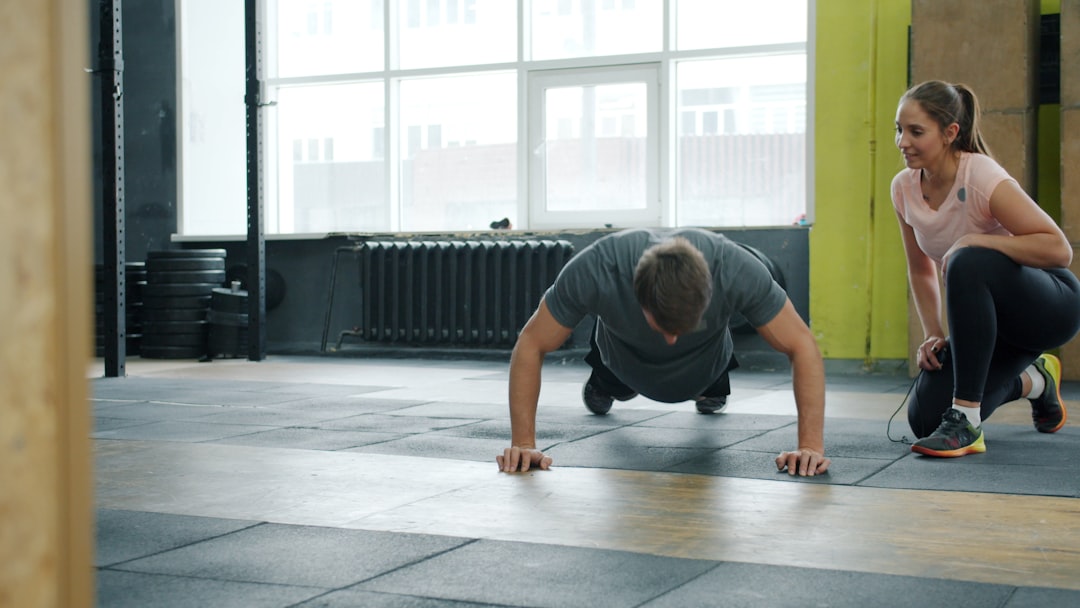
  • Couch to 5K UK: Is It Good for Complete Beginners Starting Fitness?

    Couch to 5K UK: Is It Good for Complete Beginners Starting Fitness?

    Starting fitness from zero can feel daunting, especially when deciding if running programmes like Couch to 5K UK suit complete beginners. This guide analyses the plan's structure, benefits, and practical considerations. It explains how beginners can build endurance gradually without equipment or gym access. It also highlights common pitfalls, progression strategies, and safe ways to increase workout intensity at home. Suitable for UK residents wanting a clear, no-nonsense approach to fitness.

    You Don't Need a Gym Membership to Get Fit

    Couch to 5K UK is a running plan designed for complete beginners who want to build endurance safely over nine weeks. The programme alternates walking and running intervals, gradually increasing running time. This method aligns with the NHS physical activity guidelines recommending at least 150 minutes of moderate aerobic exercise weekly, which can be achieved by completing three 30-minute sessions each week (https://www.nhs.uk/live-well/exercise/exercise-guidelines/physical-activity-guidelines-for-adults-aged-19-to-64/). Because it uses walking and running outdoors or on a treadmill, it removes the need for gym access or costly equipment. This lowers barriers like expense, commute, or gym anxiety, making fitness more accessible.

    Regular cardiovascular exercise through Couch to 5K can boost heart health and help manage weight. Its gradual progression reduces injury risk common when beginners overdo intensity. The programme’s structure also provides measurable goals, helping beginners track progress. UK parks, streets, or even treadmills at home serve as ideal settings for the plan, supporting flexibility and convenience. For more on beginner workout plans UK, see our guide.

    The Zero-Equipment Routine That Actually Builds Fitness

    Starting fitness at home without equipment is entirely feasible and effective. The Couch to 5K uses timed intervals of walking and running, which means all you need is a safe space and a timer or app. Sessions typically last 20 to 30 minutes, starting with 60 seconds of running followed by 90 seconds of walking, repeated for around 20 minutes. Over nine weeks, running intervals increase progressively, improving cardiovascular capacity.

    In addition to running, integrating NHS strength exercises at home can enhance overall fitness and reduce injury risk (https://www.nhs.uk/live-well/exercise/strength-exercises/). These include bodyweight moves like squats, lunges, and planks, which require no equipment but build muscle strength crucial for running endurance. UK supermarkets such as Tesco or Sainsbury’s offer affordable resistance bands or small weights if desired but are not necessary.

    Consistency is key. By combining the Couch to 5K running intervals with twice-weekly strength sessions, beginners can develop a balanced fitness foundation without spending money on gym memberships or equipment. This zero-equipment routine suits those with limited space and tight budgets.

    If you want to stop paying someone to tell you what to do and learn how to build your own effective fitness and nutrition plans, check out the Kira Mei Full Stack Blueprint Bundle. For just £79.99, this no-nonsense educational programme teaches you how to design your own plans tailored to your goals — no apps, no subscriptions, no personal trainers required.

    How to Make Home Workouts Hard Enough to Matter

    The three mistakes that limit home workout effectiveness are: lack of progression, poor intensity control, and neglecting strength training. First, failing to increase running intervals or workout duration stalls cardiovascular gains and fitness improvements. Second, exercising too gently or inconsistently prevents reaching the moderate intensity required to meet NHS guidelines for health benefits (https://www.nhs.uk/live-well/exercise/exercise-guidelines/physical-activity-guidelines-for-adults-aged-19-to-64/). Third, skipping strength exercises reduces muscular support for joints, increasing injury risk.

    To avoid these pitfalls, beginners should follow the Couch to 5K plan strictly, increasing running times weekly as instructed. Use a stopwatch or app to monitor pace and rest intervals accurately. Incorporate NHS recommended strength exercises twice weekly to build muscle endurance and support running biomechanics (https://www.nhs.uk/live-well/exercise/strength-exercises/). This approach ensures workouts are challenging enough to trigger fitness adaptations while minimising injury chance.

    Tracking progress with simple metrics like total running time or distance can motivate adherence. Adjusting rest intervals or increasing session frequency once the initial plan is complete can maintain workout intensity and prevent plateaus.

    When (and How) to Add Equipment Without Wasting Money

    Adding equipment too early or excessively can lead to wasted expense and injury risk. For beginners following Couch to 5K UK, the priority is building cardiovascular endurance and basic muscular strength using bodyweight exercises and walking/running intervals. Evidence suggests that strength training twice weekly using NHS-recommended exercises is sufficient to support running performance initially (https://www.nhs.uk/live-well/exercise/strength-exercises/).

    When ready to add equipment, focus on affordable, versatile items like resistance bands or a yoga mat, which cost under £20 in most UK supermarkets or sports stores. These help increase exercise variety and challenge muscle groups without complex machines. Avoid expensive treadmills or gym memberships until foundational fitness is established.

    Timing is essential: introduce equipment only after completing Couch to 5K’s nine-week programme and mastering bodyweight exercises. This approach prevents injury and ensures money is spent on tools that enhance, rather than complicate, training.

    Stop paying someone to tell you what to do. For £49.99, the Kira Mei Full Stack Blueprint Bundle teaches you how to create your own personalised fitness and nutrition plans. Learn the skills to take control and ditch the personal trainers and apps for good.

    Your Free, No-Excuses Weekly Plan

    Start by following the NHS Couch to 5K free programme which guides beginners through a 9-week schedule combining walking and running intervals (https://www.nhs.uk/live-well/exercise/running-and-aerobics/get-running-with-couch-to-5k/). Aim for three 30-minute sessions per week on non-consecutive days. On two other days, add 15–20 minutes of NHS strength exercises at home focusing on major muscle groups (https://www.nhs.uk/live-well/exercise/strength-exercises/).

    Track your runs using a timer or free app to ensure correct intervals. Increase running time gradually as the plan prescribes. Rest adequately and listen to your body to avoid overuse injuries. This schedule meets NHS physical activity guidelines for adults and promotes balanced fitness. Learn more about the Kira Mei Full Stack Blueprint Bundle and how it can help you build your own plans.

    Frequently Asked Questions

    Is Couch to 5K suitable for complete beginners in the UK?

    Yes, Couch to 5K is designed specifically for complete beginners. The NHS Couch to 5K free programme guides users through nine weeks of walking and running intervals, allowing gradual fitness improvement without prior experience (https://www.nhs.uk/live-well/exercise/running-and-aerobics/get-running-with-couch-to-5k/). This makes it a safe and effective option for UK beginners starting fitness.

    How long does it take to complete the Couch to 5K programme?

    The Couch to 5K plan typically takes nine weeks to complete. It involves three 30-minute sessions per week that progressively increase running intervals. This structure helps beginners build endurance gradually while meeting NHS physical activity guidelines (https://www.nhs.uk/live-well/exercise/exercise-guidelines/physical-activity-guidelines-for-adults-aged-19-to-64/).

    Do I need any equipment to start Couch to 5K in the UK?

    No equipment is necessary to start Couch to 5K. The programme uses walking and running intervals outdoors or on a treadmill. However, adding NHS strength exercises at home, which require no equipment, can improve results (https://www.nhs.uk/live-well/exercise/strength-exercises/). Optional low-cost items like resistance bands can be introduced later for variety.

    Can Couch to 5K help with weight loss for UK beginners?

    Yes, Couch to 5K can support weight loss by increasing cardiovascular activity and calorie burn. Completing three sessions per week of walking and running intervals helps meet NHS guidelines for moderate aerobic exercise, which aids weight management (https://www.nhs.uk/live-well/exercise/exercise-guidelines/physical-activity-guidelines-for-adults-aged-19-to-64/). Combining running with strength exercises improves overall results.

    Is the NHS Couch to 5K programme free in the UK?

    Yes, the NHS provides a free Couch to 5K programme accessible online and as apps. It offers a structured nine-week plan with audio guidance and schedules suitable for complete beginners (https://www.nhs.uk/live-well/exercise/running-and-aerobics/get-running-with-couch-to-5k/). There are no costs involved to use this official resource.

    Disclaimer: This article is for informational purposes only and does not constitute medical, nutritional, or professional fitness advice. Always consult a qualified healthcare professional before making changes to your diet or exercise routine.
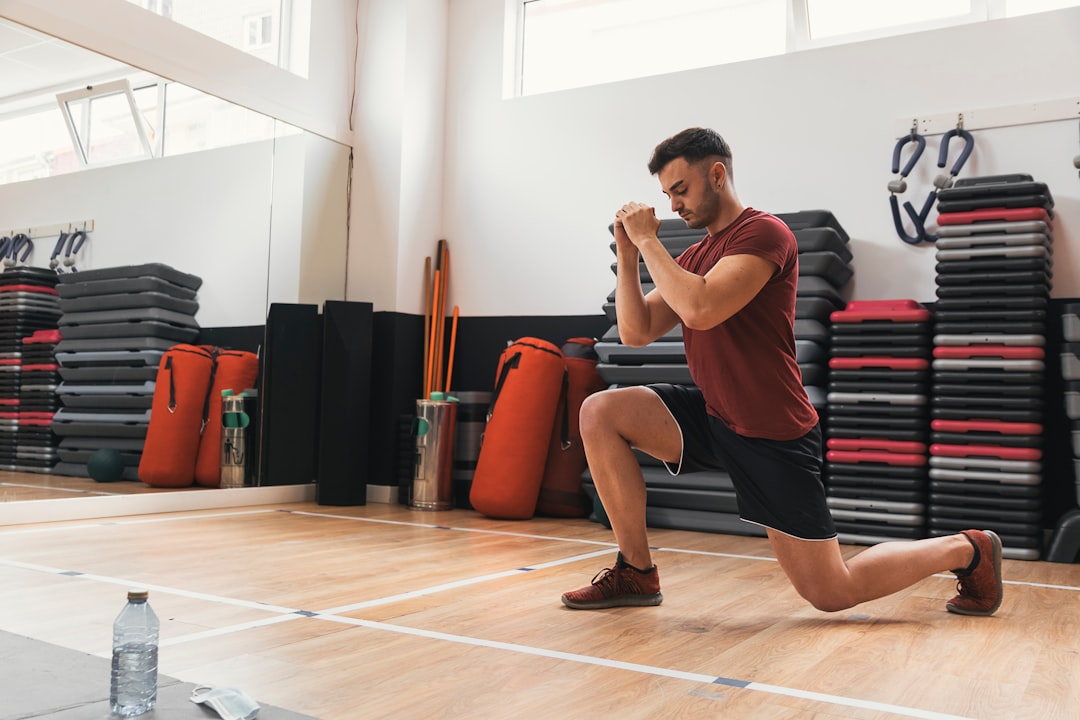

  • How Much Exercise Does the NHS Recommend Per Week UK for Beginners

    How Much Exercise Does the NHS Recommend Per Week UK for Beginners

    Understanding how much exercise the NHS recommends per week is vital for anyone starting a fitness routine. The NHS advises adults to aim for at least 150 minutes of moderate-intensity aerobic activity weekly, plus strength exercises twice a week. This clear guideline helps beginners structure workouts effectively while improving health and fitness. Proper planning ensures steady progress without injury or burnout. For more on beginner workout plans UK, see our guide.

    What a Good Beginner Plan Actually Looks Like

    A good beginner fitness plan follows the NHS physical activity guidelines for adults, recommending 150 minutes of moderate aerobic exercise weekly, split into manageable sessions. Moderate intensity means exercising at a pace where you can talk but not sing. For example, brisk walking for 30 minutes five days a week meets this standard. Strength training should complement this with two sessions per week targeting all major muscle groups: legs, hips, back, abdomen, chest, shoulders, and arms. Each strength session typically includes 8–12 repetitions per exercise for two to three sets. This approach improves muscle function and bone strength while preventing injury. Beginners should start with low-impact activities like walking or swimming, gradually increasing intensity and duration over 4 to 6 weeks. This method is supported by the NHS physical activity guidelines for adults to promote sustainable progress and reduce the risk of overload or burnout.

    Week-by-Week: Your First Four Weeks Laid Out

    Starting a fitness routine requires a structured plan. Week one should focus on establishing a habit with 3 sessions of 20 minutes brisk walking, gradually increasing to 30 minutes by week two. Add two strength training sessions in week two, focusing on bodyweight exercises such as squats, wall push-ups, and seated rows. Aim for 2 sets of 10 reps per exercise. Week three increases aerobic activity to 35 minutes on three days, plus strength training sessions progress to 3 sets of 12 reps. Week four introduces light resistance, such as resistance bands or light dumbbells, for strength exercises. This stepwise progression follows the NHS strength training guidelines to avoid injury while building strength effectively. Local UK gyms such as PureGym or The Gym Group offer accessible facilities and equipment for beginners. Supermarkets such as Tesco or Sainsbury’s provide affordable protein sources to support recovery. This weekly plan balances aerobic and strength work, gradually improving fitness without overexertion.

    The Three Things Beginners Get Wrong in the First Month

    The three mistakes that hinder beginner fitness progress are: overtraining too soon, neglecting strength training, and ignoring recovery. First, starting with high-intensity workouts without building a base causes fatigue and injury, often resulting in early dropout. The NHS recommends moderate intensity initially to build endurance safely. Second, many beginners focus solely on cardio and skip strength sessions, missing the NHS advice to perform strength exercises twice weekly. This limits muscle and bone health improvements. Third, insufficient rest and poor sleep impede recovery, reducing gains and increasing injury risk. NHS sleep and recovery guidelines stress the importance of 7 to 9 hours of quality sleep each night to support physical activity. Avoiding these errors ensures steady, safe progress aligned with official recommendations.

    How to Adjust the Plan When Life Gets in the Way

    Life disruptions often reduce exercise consistency, but adjustments can keep progress on track. Evidence shows even shorter sessions of 10 minutes moderate activity contribute to weekly totals. When pressed for time, split aerobic exercise into multiple brief walks or stair climbs throughout the day. Strength training can be done using bodyweight exercises at home without equipment, saving gym trips. The NHS Couch to 5K program offers a flexible, beginner-friendly running schedule that adapts to varying availability. Prioritising movement over perfection helps maintain habit formation. Research from Mind highlights that physical activity supports mental wellbeing, making it crucial to keep moving even during stressful periods. Scheduling workouts as fixed appointments and using reminders increases adherence. These practical adaptations align with NHS physical activity guidelines and ensure exercise remains manageable despite life’s challenges.

    What to Do When Week Four Is Done

    After four weeks, increase aerobic sessions to 40 minutes on most days, aiming for 5 days weekly to exceed the NHS 150-minute baseline. Strength training should target all major muscles with 3 sets of 12–15 reps, using moderate weights or resistance bands. Include variety by alternating exercises and incorporating balance and mobility work. Schedule rest days to allow muscle recovery, ideally two per week. Set measurable goals such as completing a 5K walk or improving push-up counts by 20%. Track progress weekly to maintain motivation. Review and adjust meal plans to support energy and recovery based on activity levels. Continuing this structured approach beyond week four will build sustainable fitness habits.

    Frequently Asked Questions

    How much exercise does the NHS recommend per week UK?

    The NHS recommends adults in the UK undertake at least 150 minutes of moderate aerobic exercise per week, such as brisk walking, plus strength training exercises on two or more days targeting major muscle groups.

    What counts as moderate exercise according to the NHS?

    Moderate exercise is any activity causing a slight increase in heart rate while still allowing you to hold a conversation, such as brisk walking or gentle cycling, as defined by the NHS physical activity guidelines.

    How often should strength training be done weekly according to NHS guidelines?

    NHS strength training guidelines advise performing muscle-strengthening activities on at least two days per week, focusing on all major muscle groups with 8–12 repetitions per exercise.

    Can short bouts of exercise count towards the NHS weekly recommendation?

    Yes, the NHS confirms that multiple short sessions of at least 10 minutes each can be added together to meet the 150-minute weekly moderate activity target.

    What are the mental health benefits of following NHS exercise recommendations?

    Regular physical activity as per NHS advice improves mood, reduces anxiety and depression symptoms, and supports overall mental wellbeing, according to the British Heart Foundation and Mind.

    Stop paying someone to tell you what to do. Take control with the Kira Mei full-stack educational blueprint. For just £79.99, learn how to build your own personalised fitness and nutrition programmes that actually work — no trainers, no gimmicks. Get the full-stack bundle now and realise your potential on your terms.

    Disclaimer: This article is for informational purposes only and does not constitute medical, nutritional, or professional fitness advice. Always consult a qualified healthcare professional before making changes to your diet or exercise routine.


  • Is HIIT Good for Complete Beginners UK? Practical Fitness Guide

    Is HIIT Good for Complete Beginners UK? Practical Fitness Guide

    High-Intensity Interval Training (HIIT) is often seen as too intense for those just starting fitness in the UK. However, when approached correctly, HIIT can be an efficient, no-equipment workout option for complete beginners. This guide breaks down how to start HIIT safely, avoid common pitfalls, and build fitness without a gym. It includes practical routines and aligns with NHS physical activity recommendations to help beginners progress steadily and affordably. For more on beginner workout plans UK, see our guide.

    You Don't Need a Gym Membership to Get Fit

    HIIT is a style of exercise that does not require a gym membership or specialist equipment. The NHS strength exercises at home resource highlights that bodyweight exercises such as squats, lunges, and modified push-ups can effectively improve strength and cardiovascular fitness. This means UK beginners can perform HIIT workouts safely and effectively in their living rooms or gardens. According to the NHS physical activity guidelines, adults should aim for muscle-strengthening activities on two or more days a week alongside aerobic exercise. HIIT workouts can combine these elements, making them a comprehensive fitness option without any cost. This accessibility removes common barriers like gym fees or travel time, which often prevent people from starting exercise.

    The Zero-Equipment Routine That Actually Builds Fitness

    A straightforward zero-equipment HIIT routine starts with a warm-up of 3 to 5 minutes of light marching or arm circles. Follow this with 20 seconds of work and 40 seconds of rest per exercise, repeating the circuit 3 to 4 times. Exercises can include bodyweight squats, knee push-ups, glute bridges, and low-impact jumping jacks. The British Heart Foundation home exercise recommendations support these moves as safe and beneficial for heart health. Grocery stores like Tesco or Sainsbury’s often have free community boards or local groups offering tips for home workouts, which beginners can tap into. This routine builds cardiovascular fitness and muscular strength steadily without overwhelming new exercisers. Gradual progression by increasing work intervals by 5 seconds every two weeks helps maintain challenge while reducing injury risk.

    Stop paying someone else to tell you what to do. For just £49.99, the Kira Mei full-stack bundle teaches you how to build your own effective fitness and nutrition plans that suit your lifestyle and goals. This blueprint cuts through the nonsense, giving you the tools to take control without relying on personal trainers or gimmicks. Get it now at https://www.kiramei.co.uk/bundle.

    How to Make Home Workouts Hard Enough to Matter

    The three main mistakes that limit beginner HIIT progress are: 1) Exercising at too high intensity, leading to burnout or injury; 2) Skipping warm-ups and cool-downs, which increases muscle soreness and injury risk; 3) Neglecting rest days, which hinders recovery and fitness gains. These errors cause beginners to abandon workouts or get stuck at low fitness levels. Ensuring intensity matches current ability means choosing exercises and work-to-rest ratios that can be sustained safely. The NHS strength exercises at home guidelines recommend progressing slowly and listening to your body’s signals. Including rest days and gentle stretching improves recovery and motivation. By avoiding these mistakes, beginners can build a consistent routine that produces measurable results.

    When (and How) to Add Equipment Without Wasting Money

    Adding equipment too early can be counterproductive. Research shows that over 60% of home fitness equipment goes unused after purchase. For beginners, simple items like resistance bands or a yoga mat provide versatility and low cost. Resistance bands support muscle strengthening without heavy weights, aligning with NHS physical activity guidelines. Evidence suggests investing in equipment after mastering bodyweight exercises improves workout quality and reduces injury risk. UK discount retailers and supermarkets often sell affordable bands under £10, making them accessible. Waiting until a routine is established ensures money is spent only when necessary, preventing wasted expenditure and clutter.

    Stop paying someone else to tell you what to do. For just £49.99, the Kira Mei full-stack bundle teaches you how to build your own effective fitness and nutrition plans that suit your lifestyle and goals. This blueprint cuts through the nonsense, giving you the tools to take control without relying on personal trainers or gimmicks. Get it now at https://www.kiramei.co.uk/bundle.

    Your Free, No-Excuses Weekly Plan

    Begin with three HIIT sessions per week, each lasting 15 to 20 minutes, including warm-up and cool-down. Example session: 3 rounds of 20 seconds work (squats, knee push-ups, glute bridges, marching) with 40 seconds rest between exercises. On non-HIIT days, perform NHS Couch to 5K free programme walking/running sessions to build aerobic fitness gradually. Include two days with NHS strength exercises at home focusing on major muscle groups. Track progress weekly by noting improvements in repetitions or reduced rest times. This structure meets NHS physical activity guidelines while remaining manageable.

    Frequently Asked Questions

    Is HIIT suitable for complete beginners in the UK?

    Yes, HIIT is suitable for complete beginners in the UK when exercises are adapted for fitness level and rest intervals are sufficient. The NHS physical activity guidelines recommend including vigorous activity like HIIT to achieve at least 75 minutes weekly, and beginners can start with low-impact moves and short work periods to build fitness safely.

    How often should beginners do HIIT workouts?

    Beginners should aim for 2 to 3 HIIT sessions per week, each lasting 15 to 20 minutes including warm-up and cool-down. This frequency aligns with NHS advice on muscle-strengthening activities twice weekly and aerobic exercise, allowing adequate recovery between sessions.

    What are the best HIIT exercises for beginners at home?

    Best HIIT exercises for beginners include bodyweight squats, knee push-ups, glute bridges, and low-impact jumping jacks. These exercises require no equipment and follow NHS strength exercises at home recommendations, providing a safe foundation for building fitness.

    Can HIIT replace traditional gym workouts for beginners?

    HIIT can replace traditional gym workouts for beginners by offering efficient cardiovascular and strength benefits without equipment. The NHS physical activity guidelines support HIIT as a way to meet weekly activity targets, making it a practical alternative for those avoiding gyms.

    How can beginners avoid injury when starting HIIT in the UK?

    Beginners can avoid injury by starting with low-impact exercises, using proper technique, including warm-up and cool-down, and gradually increasing intensity. NHS strength exercises at home and physical activity guidelines recommend progressing slowly and resting sufficiently to reduce injury risk.

    Stop paying someone else to tell you what to do. For just £49.99, the Kira Mei full-stack bundle teaches you how to build your own effective fitness and nutrition plans that suit your lifestyle and goals. This blueprint cuts through the nonsense, giving you the tools to take control without relying on personal trainers or gimmicks. Get it now at https://www.kiramei.co.uk/bundle.

    Disclaimer: This article is for informational purposes only and does not constitute medical, nutritional, or professional fitness advice. Always consult a qualified healthcare professional before making changes to your diet or exercise routine.
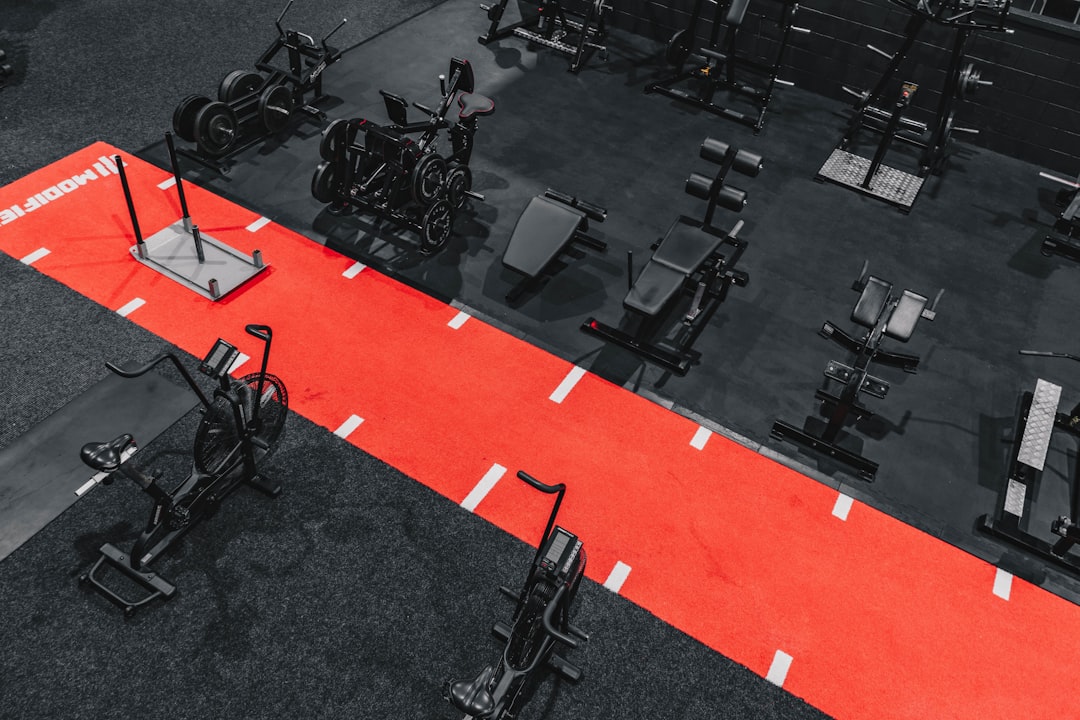

  • NHS Recommended Exercise Guidelines UK Beginner: A Practical Guide

    NHS Recommended Exercise Guidelines UK Beginner: A Practical Guide

    Starting fitness as a beginner in the UK can feel overwhelming, especially with concerns about cost and uncertainty on where to begin. The NHS recommends adults aim for at least 150 minutes of moderate aerobic activity weekly, alongside strength exercises twice a week. This guide breaks down those official recommendations into clear, actionable steps that can be done at home without equipment, making fitness accessible to everyone.

    You Don't Need a Gym Membership to Get Fit

    The NHS physical activity guidelines define moderate aerobic activity as exercise that raises your heart rate and makes you breathe faster but still allows you to talk, such as brisk walking or cycling. Achieving 150 minutes of this per week supports cardiovascular health and weight management. Strength exercises, recommended twice weekly, focus on major muscle groups including legs, hips, back, abdomen, chest, shoulders, and arms. These exercises improve muscle strength, bone density, and metabolic health.

    Following these NHS recommendations does not require gym access or costly equipment. Bodyweight exercises such as squats, lunges, push-ups, and planks effectively target these muscle groups. For aerobic activity, walking or jogging in local parks or around neighbourhoods is sufficient. The NHS highlights that benefits increase with activity intensity and duration but emphasises consistency over intensity for beginners.

    Physical activity guidelines also recommend avoiding long periods of inactivity, encouraging movement breaks throughout the day. This holistic approach ensures fitness gains while reducing sedentary behaviour risks. Thus, beginners can confidently begin fitness journeys through simple, accessible activities aligned with NHS standards. For more on beginner workout plans UK, see our guide.

    The Zero-Equipment Routine That Actually Builds Fitness

    You can build fitness effectively without any equipment by following a structured routine focusing on both aerobic and strength components. Begin with a warm-up of 5 minutes of brisk walking or marching on the spot to prepare muscles and joints.

    Next, perform strength exercises targeting major muscle groups: 2 sets of 10–15 repetitions each of squats, lunges, knee push-ups, glute bridges, and planks held for 20–30 seconds. Rest 30–60 seconds between exercises. This routine aligns with NHS strength exercises at home recommendations and can be done in your living room.

    For aerobic fitness, aim for 30 minutes of brisk walking or cycling five days per week. If 30 minutes is too long initially, split sessions into 10-minute intervals throughout the day. The NHS physical activity guidelines show that accumulating activity in short bouts is equally effective.

    Progress by increasing repetitions, sets, or duration gradually each week. This approach builds strength and endurance safely without equipment or gym visits. Local parks and green spaces provide excellent venues for aerobic sessions without cost.

    If you’re tired of paying personal trainers or apps to tell you what to do, it’s time to take control. The Kira Mei full-stack educational blueprint teaches you exactly how to build your own personalised fitness and nutrition programmes — no fluff, no gimmicks. For just £49.99 or £79.99, you’ll learn the skills to design plans that actually work for you, so you never have to rely on someone else’s cookie-cutter approach again.

    How to Make Home Workouts Hard Enough to Matter

    The three mistakes that prevent progress in home workouts are: performing exercises with poor form, insufficient intensity, and lack of progression.

    Poor form increases injury risk and reduces exercise effectiveness. For example, shallow squats or improper push-up alignment limit muscle engagement. Using mirrors or recording yourself helps maintain correct technique.

    Insufficient intensity means workouts do not challenge the cardiovascular or muscular systems enough to elicit improvements. Beginners should aim to reach a moderate intensity where talking is possible but singing is difficult, matching NHS guidelines.

    Lack of progression stalls gains. The body adapts quickly, so increasing repetitions, sets, or exercise difficulty each week is essential. For instance, progressing from knee push-ups to standard push-ups or extending plank holds builds strength over time.

    Avoiding these mistakes ensures home workouts meet NHS recommended exercise guidelines and result in measurable fitness improvements.

    When (and How) to Add Equipment Without Wasting Money

    Contrary to popular belief, equipment is not essential for effective exercise, but smart additions can enhance progress and variety. The NHS strength exercises at home page suggests simple equipment like resistance bands or light dumbbells can boost muscle activation.

    Starting with bodyweight exercises is recommended to master form and build baseline strength. Once consistent, introducing a resistance band costing under £10 can increase exercise intensity, for example by adding band-resisted squats or rows. This aligns with NHS guidelines for progressive overload.

    Purchasing equipment from budget retailers or supermarkets ensures low cost. Avoid over-investing in expensive machines or complex kits that may discourage continued use. The NHS physical activity guidelines emphasise that adherence and consistency matter more than equipment sophistication.

    Small investments in versatile items allow gradual challenge increases without wasting money. This approach supports sustainable fitness improvements for UK beginners.

    Stop paying someone else to tell you what to do. Learn how to create your own effective fitness and nutrition programmes with the Kira Mei full-stack bundle. For £49.99 or £79.99, you get a comprehensive blueprint that puts you in control — no apps, no subscriptions, just real knowledge.

    Your Free, No-Excuses Weekly Plan

    Start your week with 3 sessions of strength exercises lasting 20–30 minutes each, targeting all major muscle groups with bodyweight moves like squats, lunges, push-ups, glute bridges, and planks. Space these sessions evenly, for example Monday, Wednesday, and Friday.

    In addition, aim for 30 minutes of moderate aerobic activity such as brisk walking or cycling on at least 5 days during the week. If time is limited, break this into 10-minute bouts.

    Rest days are important; use these for light stretching or gentle movement to aid recovery. Monitor your progress weekly, increasing repetitions or duration incrementally.

    Following this plan meets NHS physical activity guidelines for adults in the UK. The NHS Couch to 5K free programme offers a structured running plan ideal for beginners looking to improve aerobic fitness safely over 9 weeks through walk-run intervals, following NHS physical activity guidelines.

    Frequently Asked Questions

    What are the NHS recommended exercise guidelines for UK beginners?

    The NHS recommends adults aged 19 to 64 aim for at least 150 minutes of moderate aerobic activity weekly plus muscle-strengthening exercises on two or more days. Beginners should start gently and gradually increase activity to meet these targets safely.

    How often should beginners do strength exercises according to the NHS?

    NHS guidelines advise performing strength exercises targeting major muscle groups at least twice per week. Each session should include exercises like squats, lunges, and push-ups to build muscle and bone strength.

    Can NHS recommended aerobic exercise be split into shorter sessions?

    Yes, the NHS physical activity guidelines state that aerobic exercise can be accumulated in bouts of at least 10 minutes to reach the 150-minute weekly target, making it easier for beginners to fit activity into their day.

    What are safe ways for UK beginners to progress home workouts?

    Beginners should focus on proper form, gradually increase exercise repetitions, sets, or duration, and add simple equipment like resistance bands when ready. This aligns with NHS advice to avoid injury and improve fitness steadily.

    Is the NHS Couch to 5K programme suitable for beginner exercisers?

    Yes, the NHS Couch to 5K free programme is designed for beginners to build aerobic fitness safely over 9 weeks through walk-run intervals, following NHS physical activity guidelines.

    Ready to stop paying for cookie-cutter plans? Get the Kira Mei full-stack bundle today and learn how to build your own effective programmes for just £49.99 or £79.99 — no nonsense, no subscriptions.

    Disclaimer: This article is for informational purposes only and does not constitute medical, nutritional, or professional fitness advice. Always consult a qualified healthcare professional before making changes to your diet or exercise routine.

  • Is the Gym Worth It for Beginners UK Cost: What You Need to Know

    Is the Gym Worth It for Beginners UK Cost: What You Need to Know

    Starting a gym routine as a beginner in the UK often raises the question of whether the cost is justified by the results. Many new exercisers feel frustrated by slow progress and struggle to see value in their investment. Understanding the physiological timeline of fitness improvements, alongside measurable progress markers, can help maintain motivation and make informed decisions about gym membership expenses. For more on beginner workout plans UK, see our guide.

    Why You're Making Progress Even When It Doesn't Feel Like It

    Physical fitness improvement is a physiological process involving adaptations to the cardiovascular, muscular, and nervous systems. The NHS physical activity guidelines recommend 150 minutes of moderate exercise weekly for adults aged 19 to 64 to gain health benefits. Early-stage changes often happen internally, such as increased mitochondrial density or neural efficiency, which do not immediately translate to visible results. These invisible changes lay the foundation for later strength and endurance gains. Muscle soreness or fatigue may decrease as the body adapts, signalling progress even if the mirror or scales do not reflect it yet. Understanding that fitness gains follow a timeline that can span 4 to 6 weeks helps maintain motivation during the initial frustrating period.

    The Metrics That Actually Matter for Beginners

    Tracking weight or mirror changes alone can mislead beginners. Instead, focus on strength improvements, endurance, and how daily activities feel. For example, increasing the number of repetitions in bodyweight exercises or walking briskly for longer distances are concrete markers. The NHS strength exercises programme suggests performing muscle-strengthening activities twice weekly to build functional fitness. Nutritional support through supermarkets like Tesco or Sainsbury’s, providing balanced groceries, complements gym efforts. Beginners should log workouts with simple apps or notebooks, noting weights lifted, sets, and perceived exertion, aiming for gradual progression. These metrics offer clearer feedback than weekly weigh-ins and help prevent discouragement.

    Stop paying someone else to tell you what to do. With the Kira Mei full-stack blueprint bundle (£49.99 for the basics, £79.99 for the full package), you learn how to build your own workout and nutrition programmes tailored to your needs. No more guesswork, no fluff, just straightforward education that frees you from relying on personal trainers or apps.

    How to Track Without Becoming Obsessed

    The three common mistakes that hamper beginners are over-frequent weighing, ignoring non-scale victories, and comparing to others. Constantly checking weight can cause stress and misinterpretation of natural body fluctuations, which vary daily by up to 2 kilograms. Overlooking improvements such as better sleep, mood, or stamina misses important health wins. Comparing progress to others at the gym often leads to unrealistic expectations and disappointment. Instead, measure progress at set intervals like every 3 to 4 weeks and focus on personal achievements. Keeping a balanced approach to tracking maintains motivation and prevents burnout.

    When to Change the Plan and When to Stay the Course

    A less obvious insight is that plateaus are a natural part of fitness progression and do not always signal failure. According to evidence, adaptations can stall around 4 to 8 weeks, after which the body needs new stimuli to continue improving. However, prematurely changing routines can disrupt progress and decrease motivation. Beginners should assess whether they are consistently attending sessions, recovering well, and gradually increasing workload before altering plans. Consulting the NHS physical activity guidelines can provide a framework to ensure activities remain beneficial. Staying the course for at least 6 to 8 weeks with steady effort usually yields visible gains, whereas frequent changes may hinder long-term results.

    Stop paying someone else to tell you what to do. With the Kira Mei full-stack blueprint bundle (£49.99 for the basics, £79.99 for the full package), you learn how to build your own workout and nutrition programmes tailored to your needs. No more guesswork, no fluff, just straightforward education that frees you from relying on personal trainers or apps.

    Building a Habit That Lasts Beyond the First Month

    Commit to scheduling workouts at the same times weekly to create routine. Start small with achievable goals, such as two gym visits per week, then increase gradually. Use reminders and prepare gym bags in advance to remove barriers. After 4 weeks, review progress using strength or endurance improvements rather than scale weight alone. Incorporate rest days and strength exercises as per NHS recommendations to support recovery and growth. Tracking non-scale victories like energy levels or mood boosts helps sustain motivation.

    Frequently Asked Questions

    Is the gym worth it for beginners in the UK considering the cost?

    Yes, the gym is worth it for UK beginners if the monthly cost matches consistent attendance and measurable progress. Typical gym memberships range widely, but investing in facilities that support your fitness goals and provide access to varied equipment can enhance results and motivation.

    What is the average monthly cost of a gym membership for beginners in the UK?

    The average monthly gym membership cost for beginners in the UK varies from around £20 for budget gyms to over £50 for premium facilities. Many gyms offer discounts or trial periods to help beginners assess value before committing.

    How long does it take to see results from gym workouts for beginners?

    Beginners typically start noticing internal fitness improvements within 2 to 4 weeks, but visible changes such as increased muscle tone or weight loss often take 6 to 8 weeks, as the body undergoes physiological adaptations.

    Are there cheaper alternatives to gym memberships for beginners in the UK?

    Yes, cheaper alternatives include outdoor exercise, home workouts, or community classes. However, gyms provide equipment variety and climate-controlled environments which can improve consistency and progression for many beginners.

    What non-scale metrics should beginners track to measure gym progress?

    Beginners should track strength gains, endurance improvements, energy levels, mood changes, and exercise consistency. These non-scale metrics provide a clearer picture of fitness progress than weight alone and help maintain motivation.

    Stop paying someone else to tell you what to do. With the Kira Mei full-stack blueprint bundle (£49.99 for the basics, £79.99 for the full package), you learn how to build your own workout and nutrition programmes tailored to your needs. No more guesswork, no fluff, just straightforward education that frees you from relying on personal trainers or apps.

    Disclaimer: This article is for informational purposes only and does not constitute medical, nutritional, or professional fitness advice. Always consult a qualified healthcare professional before making changes to your diet or exercise routine.


  • How to Get a Cheap Gym Membership UK: A Beginner’s Guide

    How to Get a Cheap Gym Membership UK: A Beginner’s Guide

    Finding a cheap gym membership in the UK can be a challenge for beginners looking to start their fitness journey without breaking the bank. This guide breaks down practical ways to access affordable gym options, including flexible payment plans and off-peak memberships. It also outlines how to build beginner-friendly workout routines and meal plans that complement your budget. With clear steps and expert advice, you can start working out effectively while saving money.

    What a Good Beginner Plan Actually Looks Like

    A good beginner plan is structured to meet the NHS physical activity guidelines of 150 minutes of moderate exercise and strength training twice weekly. This means starting with 30-minute sessions, five days a week. Sessions should include a mix of aerobic activities like brisk walking or cycling alongside strength exercises using bodyweight or light weights.

    Strength training should focus on 8–12 repetitions per exercise, 2–3 sets per session, targeting major muscle groups such as legs, back, chest, and core. According to the NHS, this approach builds muscle and improves bone health NHS strength training guidelines.

    For gym memberships under £15 a month, beginners should prioritise machines that guide form and minimize injury risk. Groups classes at budget gyms often cost extra but can be swapped for home-based bodyweight routines to keep costs low. The key is consistency and progression, gradually increasing duration or intensity every week. For more on beginner workout plans UK, see our guide.

    Week-by-Week: Your First Four Weeks Laid Out

    Start your first week with three 30-minute sessions of moderate cardio such as walking or cycling, plus two 15-minute sessions of bodyweight strength moves like squats and wall push-ups. Aim for 10 repetitions per exercise, two sets each.

    In week two, increase cardio sessions to 40 minutes and add a third strength session focusing on core exercises like planks held for 20 seconds, three times. Use gym facilities during off-peak hours (usually mid-morning or late evening) to access cheaper membership rates.

    Week three should include a mix of 45-minute cardio sessions and three strength training workouts with 3 sets of 12 repetitions, introducing light dumbbells if available. Consider budget gyms such as PureGym or The Gym Group, which offer flexible monthly plans without long contracts.

    By week four, incorporate interval training by alternating one-minute bursts of faster paced cardio with two minutes of slow recovery for 20 minutes. Maintain strength sessions targeting all major muscle groups twice weekly. Check local supermarkets like Tesco or Asda for affordable protein sources to support recovery and muscle growth.

    Stop paying someone to tell you what to do. Instead, get the Full Stack Bundle from Kira Mei for just £79.99 and learn how to build your own workout and meal plans that actually work for you. This educational blueprint cuts out the personal trainer middleman and puts you in control. Get the Full Stack Bundle now and realise how simple and effective planning your fitness can be.

    The Three Things Beginners Get Wrong in the First Month

    The three mistakes that slow progress and waste money are: overestimating workout intensity, poorly timing nutrition, and neglecting recovery.

    Firstly, beginners often start with workouts too intense for their current fitness, leading to injury or burnout. For example, skipping warm-ups or attempting heavy lifts before mastering form can cause setbacks.

    Secondly, many ignore the importance of eating balanced meals timed around workouts. Without adequate protein and carbs before and after sessions, energy levels drop and muscle repair slows.

    Thirdly, neglecting rest days or sleep undermines gains. The NHS advises adults to aim for 7–9 hours of sleep to optimise recovery and mental wellbeing NHS sleep and recovery.

    Avoid these by following a gradual plan, aligning meals with workouts, and scheduling at least two rest days per week.

    How to Adjust the Plan When Life Gets in the Way

    Adapting your gym plan around a busy schedule is essential. Evidence shows even 10-minute bursts of moderate exercise count towards the 150-minute weekly target if done consistently NHS physical activity guidelines for adults.

    If gym visits become impossible, substitute with brisk walking, stair climbing, or bodyweight circuits at home. Using digital timers, perform 3 sets of 10 squats or lunges during breaks.

    Meal plans can also shift to quick, nutrient-dense options like boiled eggs, canned tuna, or pre-chopped vegetables from supermarkets.

    Finally, prioritise sleep and stress management, as poor recovery can negate workout benefits. Scheduling workouts early in the day or splitting sessions into two 15-minute blocks can improve adherence.

    Stop paying someone to tell you this. Instead, take control with the Kira Mei Full Stack Bundle for £79.99. Learn how to create your own effective plans without relying on personal trainers or apps. Get the Full Stack Bundle today.

    What to Do When Week Four Is Done

    After four weeks, increase workout intensity by adding 5 minutes to cardio sessions or 1–2 repetitions per strength exercise each week. Schedule a fitness assessment to track progress.

    Aim to maintain a consistent routine of 5 exercise days per week mixing cardio and strength training as per NHS guidelines.

    Plan meals using the NHS Eatwell Guide to ensure balanced nutrition supporting sustained energy and recovery NHS Eatwell Guide. Learn more about the Kira Mei Full Stack Bundle and how it can help you get started.

    Frequently Asked Questions

    How can I get a cheap gym membership in the UK?

    You can get a cheap gym membership in the UK by choosing budget gyms like PureGym or The Gym Group, which offer monthly fees from around £10. Signing up during promotions, opting for off-peak hours, or using student and NHS discounts can reduce costs further.

    What is the average cost of a gym membership in the UK?

    The average cost of a gym membership in the UK ranges between £20 and £40 per month. Budget gyms offer memberships starting as low as £10, making fitness accessible for beginners on a tight budget.

    Are there free or low-cost alternatives to gym memberships in the UK?

    Yes, free or low-cost alternatives include outdoor activities like walking and running, following the NHS Couch to 5K programme, or using home workouts with bodyweight exercises. Many local councils also offer discounted leisure centre memberships.

    How often should beginners work out to see results?

    Beginners should aim for at least 150 minutes of moderate aerobic activity per week and strength training on two or more days. This aligns with NHS physical activity guidelines and supports consistent fitness improvements.

    Can off-peak gym memberships save money in the UK?

    Off-peak gym memberships can save money by offering reduced rates for access during less busy hours, typically mid-morning or late evening. Many UK gyms provide these cheaper options to help members cut costs.

    Stop paying someone to tell you what to do. Get the Kira Mei Full Stack Bundle for £79.99 and learn to build your own plans that actually work.

    Disclaimer: This article is for informational purposes only and does not constitute medical, nutritional, or professional fitness advice. Always consult a qualified healthcare professional before making changes to your diet or exercise routine.

  • Cheapest Gym Memberships UK for Beginners: Affordable Fitness Starts Here

    Cheapest Gym Memberships UK for Beginners: Affordable Fitness Starts Here

    Starting a fitness journey can feel overwhelming, especially when budgets are tight. Finding the cheapest gym memberships in the UK for beginners ensures you can access quality facilities without overspending. Affordability doesn't mean compromising results; many gyms offer flexible plans suited for beginners. Understanding how to measure progress, avoid common pitfalls, and choose the right membership can keep motivation high and frustration low. This guide breaks down the essentials to help you build sustainable fitness habits while keeping costs down. For more on beginner workout plans UK, see our guide.

    Why You're Making Progress Even When It Doesn't Feel Like It

    Progress in fitness is the physiological adaptation of your body to new stresses, including muscle repair, cardiovascular improvements, and metabolic changes. The NHS physical activity guidelines recommend at least 150 minutes of moderate exercise weekly to gain these benefits. Many beginners feel discouraged because visible changes lag behind internal improvements like increased stamina and strength. Muscle tissue can become denser and more efficient without significant weight change, explaining why scales may not reflect your efforts immediately. Additionally, mental resilience and improved sleep quality often improve first, laying the foundation for lasting fitness gains.

    The Metrics That Actually Matter for Beginners

    Focusing solely on weight loss is misleading; better metrics include strength gains, endurance increases, and body composition changes. Beginners should track performance improvements such as the number of reps, sets, or duration of cardio sessions weekly. For example, increasing treadmill time from 15 to 25 minutes or lifting heavier weights by 5% each month indicates real progress. Some UK gyms like PureGym and The Gym Group offer affordable memberships with access to these facilities. Using affordable meal plans from UK supermarkets alongside workouts enhances fat loss and muscle gain. Body measurements and how clothes fit are tangible signs of change that don’t rely on scales.

    Stop paying someone to tell you what to do. The Kira Mei full-stack blueprint teaches you how to build your own workout and meal plans with no fluff or guesswork — all for a one-off £79.99. It’s time to realise you don’t need a personal trainer to get fit.

    How to Track Without Becoming Obsessed

    The three mistakes that hinder progress are over-frequent weighing, ignoring strength progress, and neglecting recovery. Weighing yourself daily can cause unnecessary anxiety as body weight fluctuates naturally due to hydration and digestion. Ignoring strength improvements overlooks muscle growth which may not reduce weight immediately. Neglecting recovery can cause burnout and injury, stalling progress. Instead, weigh weekly, log workout performance, and prioritise rest days. Using a journal or fitness tracker can help maintain focus on meaningful indicators without obsessing over numbers.

    When to Change the Plan and When to Stay the Course

    Changing your fitness plan too quickly can stall progress; patience is key. Research shows it often takes 8 to 12 weeks to notice substantial physical improvements. The NHS recommends consistent moderate exercise over time to cement benefits. If strength and endurance are increasing, but weight remains stable, it’s usually a sign to continue rather than switch routines. Change plans only if workouts feel overly easy for 3 consecutive weeks or if motivation drops significantly. Temporary plateaus are normal; persistence through these phases leads to lasting results.

    Stop paying someone to tell you this. The Kira Mei full-stack blueprint gives you the tools to create your own plans for just £79.99 — no subscriptions, no gimmicks.

    Building a Habit That Lasts Beyond the First Month

    Set clear, manageable goals such as exercising three times per week for 30 minutes initially. Schedule workouts on fixed days and prepare meals ahead to reduce decision fatigue. Use free trial periods from budget gyms to establish routine without pressure. Track progress weekly using strength, endurance, and body measurements rather than weight alone. Expect initial discomfort but focus on consistency for at least one month before assessing changes.

    Frequently Asked Questions

    What are the cheapest gym memberships in the UK for beginners?

    The cheapest gym memberships in the UK for beginners are typically offered by budget chains like PureGym and The Gym Group, with monthly fees often starting around £10. Many provide flexible contracts and free trial periods, making them accessible without long-term commitments.

    Can beginners get fit with low-cost gym memberships?

    Yes, beginners can effectively improve fitness with low-cost gym memberships by focusing on consistent workouts that include strength and cardio exercises. Affordable gyms provide necessary equipment and classes aligned with NHS physical activity guidelines to support progress.

    How long does it take to see results from a gym membership in the UK?

    Visible fitness results typically take 8 to 12 weeks, as the body needs time to adapt through muscle growth and fat loss. The NHS recommends at least 150 minutes of moderate activity weekly for health benefits within this period.

    What are alternative affordable fitness options besides gyms in the UK?

    Affordable alternatives include community centres, outdoor fitness parks, and home workouts combined with free online resources. These options reduce costs and can complement gym sessions to maintain consistent physical activity.

    How can beginners avoid quitting their fitness routine early?

    Beginners can avoid quitting by setting realistic goals, tracking non-scale progress like strength and endurance, and choosing affordable gyms with flexible terms. Understanding that progress can be gradual helps maintain motivation during early frustration.

    Stop paying someone to tell you this. Get the Kira Mei full-stack blueprint for just £79.99 and learn to build your own effective fitness and nutrition plans.

    Disclaimer: This article is for informational purposes only and does not constitute medical, nutritional, or professional fitness advice. Always consult a qualified healthcare professional before making changes to your diet or exercise routine.


  • How to Bulk as a Beginner UK Diet: Simple Steps That Work

    How to Bulk as a Beginner UK Diet: Simple Steps That Work

    Starting to bulk as a beginner can feel confusing and overwhelming, especially with mixed advice about diet and exercise. For many, gaining muscle means more than just eating lots of food: it requires a balanced approach tailored to your lifestyle and environment. This guide breaks down the essential UK-focused steps to help you build muscle steadily, avoid common pitfalls, and stick to a plan that fits your routine. Whether you’ve quit before or never started, these simple principles make bulking manageable and sustainable. For more on meal planning UK, see our guide.

    Why Starting Feels So Hard (And Why That's Normal)

    Bulking as a beginner is gaining muscle mass through a calorie surplus and resistance training. Challenges arise because only 65% of UK adults meet the NHS physical activity guidelines, which means many enter bulking with low fitness levels. This can cause early fatigue and frustration. Emotional difficulty also stems from previous attempts that didn’t yield results, and the NHS mental health and exercise guidance highlights how setbacks affect motivation. Understanding that initial struggles are common and linked to physical and mental adjustment can help you stay patient. The key is slow, consistent progress rather than rapid gains that risk injury or burnout.

    The Simple System That Actually Works for Beginners

    The most effective bulking system for a UK beginner combines tailored nutrition with manageable workouts. Start by calculating your maintenance calories using online calculators or diet apps, then add a 300–500 calorie surplus. Focus on protein intake of about 1.6 to 2.2 grams per kilogram of bodyweight daily, sourced from affordable UK supermarkets like Tesco or Aldi. Plan meals around whole foods: lean meats, dairy, legumes, and whole grains. Strength training should follow the NHS strength training exercises advice, aiming for two to three sessions weekly targeting major muscle groups. Keep workouts simple: compound lifts like squats, deadlifts, and presses, progressing weight gradually. Use rest days to recover and monitor progress every two weeks to tweak calories or training.

    Stop paying someone to tell you what to do. For £49.99 or £79.99, get the Kira Mei Full Stack Bundle — a no-nonsense educational blueprint that teaches you how to build your own bulking plans, tailored to your needs. No gimmicks, no subscriptions, just real knowledge to take control. Get the bundle here and realise you don’t need a personal trainer to get it right.

    The Mistakes That Keep Most People Stuck

    The three mistakes that limit bulking success are: 1) Not tracking calories accurately, leading to insufficient surplus and stalled gains. 2) Overemphasising cardio; excessive aerobic exercise burns calories needed for muscle growth and can cause fatigue. 3) Ignoring recovery, which impedes muscle repair and increases injury risk. The Sport England Active Lives survey shows many adults overdo cardio but neglect strength training, which is crucial for bulking. These mistakes often result in frustration and quitting. Avoid them by using food diaries, balancing cardio with resistance work, and prioritising sleep and rest days.

    How to Build Momentum When Motivation Disappears

    A less obvious truth is that motivation fluctuates naturally, so relying on it alone is risky. The NHS mental health and exercise guidance notes physical activity can improve mood, but building habits is key. One strategy is scheduling workouts and meals like appointments, reducing decision fatigue. Another is celebrating small wins like adding weight in lifts or hitting protein targets daily. Tracking progress visually boosts commitment. Remember, the Sport England Active Lives survey found only 65% of UK adults meet exercise guidelines, so creating routine beats occasional bursts of enthusiasm. Consistency over intensity leads to sustained bulking progress.

    Stop paying someone to tell you what to do. For £49.99 or £79.99, get the Kira Mei Full Stack Bundle — a no-nonsense educational blueprint that teaches you how to build your own bulking plans, tailored to your needs. No gimmicks, no subscriptions, just real knowledge to take control. Get the bundle here and realise you don’t need a personal trainer to get it right.

    Your First Two Weeks: A Realistic Action Plan

    Start by calculating your calorie needs and adding a 300 calorie surplus. Plan simple meals with protein sources from UK supermarkets, aiming for 1.6g protein per kg bodyweight daily. Schedule three strength training sessions following NHS guidelines, focusing on compound movements. Rest fully between sessions. Track your food intake and workout performance daily using a journal or app. After one week, review progress and adjust calories if weight gain is below 0.25kg. At two weeks, add minor weight increases in training.

    Frequently Asked Questions

    How many calories should I eat to bulk as a beginner in the UK?

    To bulk as a beginner in the UK, eat about 300 to 500 calories above your maintenance level daily. This surplus supports muscle growth without excessive fat gain. Use online calorie calculators or apps to find your maintenance calories, then add the surplus. Adjust based on your progress every two weeks.

    What foods should I focus on for a bulking diet in the UK?

    Focus on lean proteins like chicken, turkey, eggs, dairy, legumes, and fish, combined with whole grains such as oats, brown rice, and wholemeal bread. These are widely available in UK supermarkets and provide the nutrients needed for muscle repair and energy.

    How often should I work out when bulking as a beginner?

    Aim for two to three strength training sessions per week targeting all major muscle groups. This frequency aligns with NHS strength training exercises guidance and allows adequate recovery essential for muscle growth.

    Is cardio bad when bulking for beginners?

    Cardio isn’t bad but excessive aerobic exercise can hinder bulking by burning calories needed for muscle gain. Balance cardio with strength training and keep moderate cardio sessions to maintain heart health without compromising bulking goals.

    How long does it take to see results bulking as a beginner in the UK?

    Beginners can expect to see noticeable muscle gain within 6 to 8 weeks if following a calorie surplus and consistent strength training. Progress depends on adherence, nutrition quality, and recovery practices.

    Stop paying someone to tell you what to do. For £49.99 or £79.99, get the Kira Mei Full Stack Bundle — a no-nonsense educational blueprint that teaches you how to build your own bulking plans, tailored to your needs. No gimmicks, no subscriptions, just real knowledge to take control. Get the bundle here and realise you don’t need a personal trainer to get it right.

    Disclaimer: This article is for informational purposes only and does not constitute medical, nutritional, or professional fitness advice. Always consult a qualified healthcare professional before making changes to your diet or exercise routine.


  • How to Meal Prep as a Gym Beginner UK: Simple Steps to Start Right

    How to Meal Prep as a Gym Beginner UK: Simple Steps to Start Right

    Starting a gym routine in the UK often comes with the challenge of organising meals that support fitness goals. Meal prepping is a practical strategy that saves time, reduces stress, and helps maintain consistent nutrition. For gym beginners, preparing balanced meals ahead simplifies healthy eating and fuels workouts properly. This guide breaks down straightforward steps to meal prep effectively, focusing on portion control, nutrient balance, and weekly planning tailored for those new to fitness regimes. For more on meal planning UK, see our guide.

    What a Good Beginner Plan Actually Looks Like

    Meal prepping is preparing and portioning meals in advance to support fitness goals. For beginners, this means cooking 3–5 meals ahead that include around 30–40g of protein per meal, combined with complex carbs and vegetables. Following the NHS physical activity guidelines for adults recommends at least 150 minutes of moderate exercise weekly, which meal prepping should fuel effectively. A good plan balances macronutrients, fits personal calorie needs, and uses simple recipes that can be repeated. For example, grilled chicken breast, brown rice, and steamed broccoli is a reliable combination that meets beginner nutritional requirements without excess complexity.

    Week-by-Week: Your First Four Weeks Laid Out

    Starting week one, focus on planning your meals around 3 main meals and 1–2 snacks per day. Use a meal planner template to list ingredients and cooking days, preferably Sunday and Wednesday. In week two, refine your portions to align with your energy expenditure and gym sessions, typically 3 days of strength training per week following NHS strength training guidelines. Week three should introduce variety in protein sources, such as lean beef, fish, or plant-based options, and experiment with herbs and spices to prevent monotony. By week four, evaluate your energy levels and recovery; adjust carbohydrate intake if necessary, especially around workout days. Local UK supermarkets stock affordable bulk protein options and frozen vegetables to streamline cooking. This structured approach ensures steady progress and adaptation to your new lifestyle.

    If you’re tired of paying personal trainers or apps to tell you what to eat and when, it’s time to take control. The Kira Mei full-stack educational blueprint teaches you how to build your own meal and workout programmes that actually work for you — no fluff, no guesswork, no ongoing fees. For just £49.99 or £79.99, you get the full toolkit to stop outsourcing your fitness and start owning it.

    The Three Things Beginners Get Wrong in the First Month

    The three mistakes that hinder gym beginners’ progress include inconsistent meal prep, incorrect portion sizes, and ignoring recovery nutrition. Inconsistent meal prep leads to reliance on convenience foods, which are often high in sugar and fat, reducing workout effectiveness. Portion sizes that are too large or too small can cause energy imbalances, leading to fatigue or unwanted weight gain. Lastly, neglecting post-workout nutrition delays muscle recovery; consuming a protein-rich meal within 30–60 minutes after exercise is critical as recommended by the NHS strength training guidelines. Avoiding these errors improves overall fitness outcomes and supports sustainable habits.

    How to Adjust the Plan When Life Gets in the Way

    Adapting your meal prep plan when faced with unexpected events or busy schedules is essential for consistency. One effective strategy is to prepare frozen meals in bulk that can be quickly reheated. Research shows that 7–8 hours of quality sleep supports recovery and energy levels, so prioritising rest alongside nutrition is vital (NHS sleep and recovery). If time is limited, focus on quick, nutrient-dense options like pre-washed salad bags, canned beans, and ready-cooked chicken breasts. Planning for at least one flexible meal daily allows for social events or unexpected changes without derailing progress.

    Stop paying someone to tell you what to do. Learn how to build your own effective, flexible plans with the Kira Mei full-stack bundle. Grab it now for £49.99 or £79.99 and finally realise your potential on your terms.

    What to Do When Week Four Is Done

    After completing the first four weeks, review your meal prep routine and fitness results. Adjust calorie intake based on changes in body weight and energy levels. Set new goals for meal variety and cooking skills, such as trying new recipes or ingredients weekly. Continue to prepare meals twice a week and maintain protein intake of around 30–40g per meal. Aim to increase physical activity gradually in line with British Heart Foundation exercise benefits, which include improved heart health and mood.

    Frequently Asked Questions

    How many meals should I prep as a gym beginner in the UK?

    As a gym beginner in the UK, prepping 3–5 meals per week is effective. This includes main meals with balanced portions of protein, carbs, and fats. Preparing meals twice weekly helps maintain freshness and nutritional quality while saving about 3–5 hours of cooking time.

    What are the best foods to include in meal prep for gym beginners?

    The best foods for gym beginners include lean proteins like chicken breast, turkey, or legumes, complex carbohydrates such as brown rice or sweet potatoes, and plenty of vegetables. Including healthy fats from sources like olive oil or nuts supports recovery and energy.

    How does meal prepping support strength training for beginners?

    Meal prepping ensures consistent intake of around 30–40g of protein per meal, which is essential to support muscle repair and growth during strength training. Regular post-workout nutrition within 30–60 minutes optimises recovery according to NHS guidelines.

    Can meal prepping help with sticking to NHS physical activity guidelines?

    Yes, meal prepping helps maintain energy and nutrient intake needed to meet the NHS physical activity guidelines of at least 150 minutes of moderate exercise weekly. It reduces reliance on unhealthy convenience foods that can undermine fitness goals.

    How should I adjust meal prep if my schedule changes unexpectedly?

    If your schedule changes, prepare frozen meals or quick options like canned beans and pre-cooked proteins in advance. Planning flexible meals and prioritising rest, with 7–8 hours of sleep, supports recovery and helps maintain consistency.

    Get started with the Kira Mei full-stack bundle. Own your fitness for £49.99 / £79.99 — no ongoing fees, no personal trainers.

    Disclaimer: This article is for informational purposes only and does not constitute medical, nutritional, or professional fitness advice. Always consult a qualified healthcare professional before making changes to your diet or exercise routine.