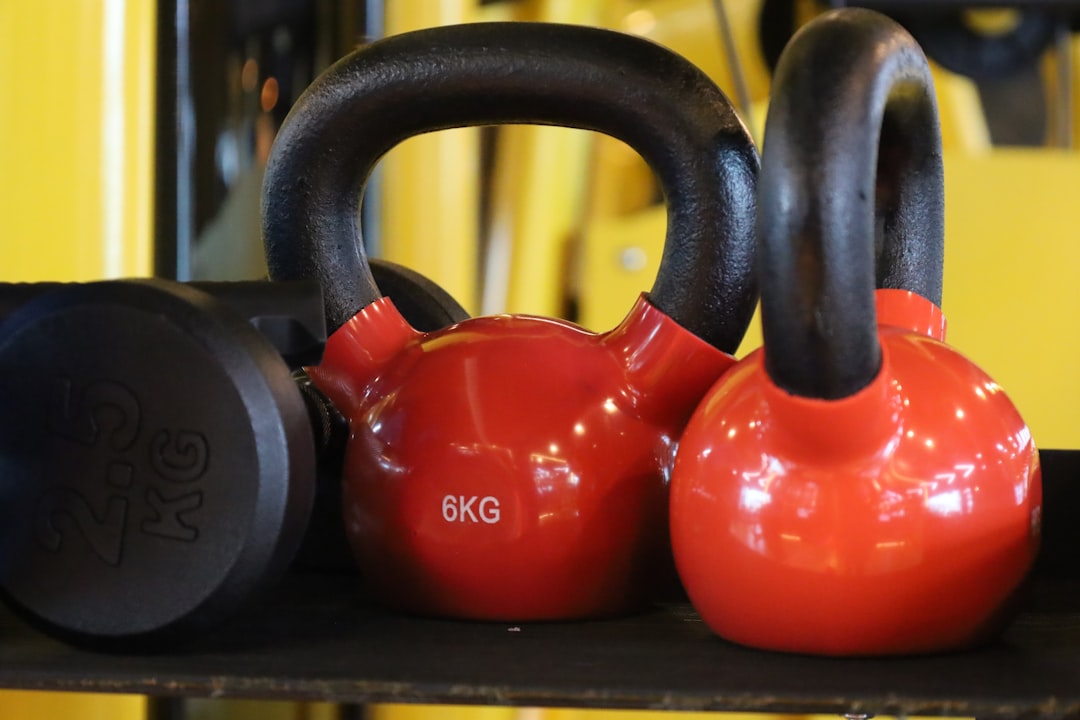
Starting a gym routine can feel frustrating when visible results stall despite effort. In the UK, around 30% of beginners quit within the first month due to slow progress and confusion over what counts as improvement. This guide explores the most common beginner gym mistakes that waste progress, explaining why progress might be happening unseen and how to shift focus to meaningful performance and habit indicators. Understanding these pitfalls helps maintain motivation and develop sustainable fitness habits.
Why You're Making Progress Even When It Doesn't Feel Like It
Progress is the accumulation of physiological and psychological adaptations over time rather than immediate physical changes. The NHS physical activity guidelines recommend at least 150 minutes of moderate aerobic activity weekly, plus strength exercises twice a week, which beginners often underestimate in effectiveness. Early progress includes improved cardiovascular efficiency, neuromuscular coordination, and increased energy levels. These gains do not always reflect on scales or mirrors immediately but are essential foundations. According to the NHS, measurable fitness improvements often emerge after four to six weeks of consistent exercise. Recognising this helps prevent premature quitting and shifts focus to capability over appearance. For more on fitness guides, see our guide.
The Metrics That Actually Matter for Beginners
The metrics that matter for beginner gym users are strength gains, endurance improvements, consistency, and mental wellbeing. Tracking the number of reps, weights lifted, or duration of cardio sessions provides objective progress markers. For example, increasing a squat weight by 5kg over four weeks indicates strength gain. Shops like Tesco or Sainsbury’s provide easy access to balanced nutrition, supporting recovery and energy. Mental health benefits, such as reduced anxiety and improved mood, are documented by Mind and are crucial metrics often overlooked. Recording workout frequency and how one feels post-exercise offers meaningful feedback beyond appearance or weight alone.
If you'd rather not plan this manually, Milo generates your meals and workouts automatically.
How to Track Without Becoming Obsessed
The three tracking mistakes that waste progress are over-monitoring weight, fixating on weekly scale changes, and ignoring performance data. Obsessing over daily weight fluctuations can mislead because water retention and glycogen stores cause normal variance. Ignoring strength or endurance gains means missing real improvements. Finally, measuring progress only by appearance fuels discouragement and potential quitting. Balanced tracking involves weekly weigh-ins, logging workout performance, and noting energy and mood changes. This approach aligns with NHS weight loss guidance encouraging gradual, sustainable changes rather than rapid results.
When to Change the Plan and When to Stay the Course
A less obvious insight is that early plateaus often signal adaptation phases requiring patience rather than plan changes. The NHS weight loss guidance emphasises gradual progress, recommending sticking with a consistent routine for at least 8–12 weeks before major adjustments. Sudden changes risk disrupting habit formation and can increase injury risk. Switching workouts or diets too frequently undermines long-term gains. Instead, small tweaks in intensity or volume after a month, guided by personal feedback, are more effective. Trusting the process while listening to your body ensures safe, steady progress.
Milo helps you stay consistent — no spreadsheets, no guesswork.
Building a Habit That Lasts Beyond the First Month
Create a weekly schedule with set workout days and times to build consistency. Start with achievable goals, such as 30-minute sessions thrice weekly, then gradually increase. Combine strength and cardio per NHS physical activity guidelines. Log progress in a notebook or app without obsessing over daily numbers. Prioritise recovery with quality sleep and balanced meals. Review progress monthly to adjust plans gently. Learn more about the Milo and how it can help you get started.
Frequently Asked Questions
What are the most common beginner gym mistakes that waste progress in the UK?
The most common beginner gym mistakes wasting progress in the UK include overtraining without proper recovery, focusing solely on weight loss rather than overall fitness, and neglecting nutrition. Beginners often expect quick visible results and may quit prematurely, ignoring improvements in strength and endurance that typically appear after 4 to 6 weeks.
How can UK beginners track gym progress effectively without getting discouraged?
UK beginners should track progress by recording workout performance such as reps, weights, and endurance rather than daily weight changes. Monitoring mood and energy levels is also useful. The NHS recommends focusing on consistent exercise adherence and gradual improvements over weeks to avoid discouragement.
When should beginners in the UK change their workout plan if progress stalls?
Beginners should maintain a consistent workout plan for at least 8 to 12 weeks before making significant changes. The NHS weight loss guidance advises gradual adjustments based on personal feedback rather than frequent plan switches, which can hinder habit formation and increase injury risk.
Why is focusing only on the scale a mistake for gym beginners in the UK?
Focusing solely on the scale is a mistake because weight fluctuates daily due to water retention and glycogen levels. Early fitness progress often involves strength and endurance gains not reflected by weight loss. The NHS emphasises sustainable lifestyle changes over rapid weight shifts.
How does exercise improve mental wellbeing for UK gym beginners?
Exercise improves mental wellbeing by reducing anxiety and depression symptoms and boosting mood, according to Mind. For UK beginners, regular physical activity following NHS guidelines supports mental health alongside physical fitness, making it a crucial metric of progress.
Get started with Milo. Start your 7-day free trial — from £7.99/month.
Disclaimer: This article is for informational purposes only and does not constitute medical, nutritional, or professional fitness advice. Always consult a qualified healthcare professional before making changes to your diet or exercise routine.
Leave a Reply