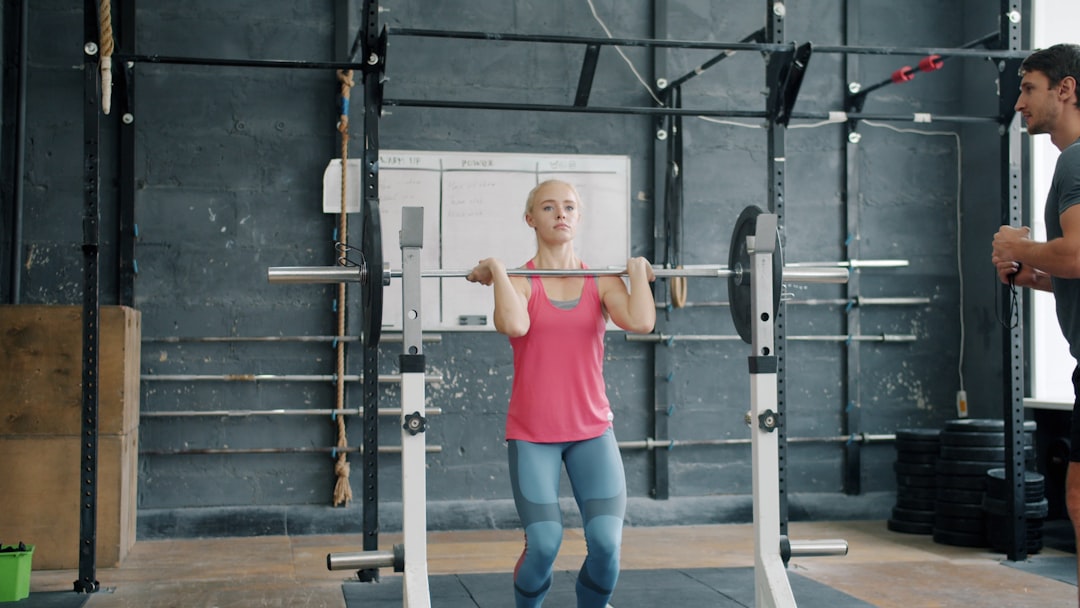
Starting bodyweight squat variations correctly is crucial for building strength and avoiding injury. Many beginners in the UK struggle with common myths around squat technique and progression. This guide sheds light on practical, effective squat variations that anyone can do at home, helping improve mobility, balance, and muscle tone without equipment or gym access.
The Fitness Advice That's Actually Holding You Back
Bodyweight squats are foundational strength exercises involving controlled bending and straightening of the knees and hips to engage lower-body muscles. Despite this, misleading advice often causes beginners to perform squats incorrectly or avoid them altogether. One pervasive myth is that deep squats damage the knees; however, research confirms that controlled deep squats can be safe and beneficial when done with proper technique.
Sport England Active Lives research shows a significant portion of the UK population is inactive, partly due to confusion about exercise safety and effectiveness. Another common misconception is that squats require gym equipment or advanced fitness levels, discouraging beginners from attempting them at home.
Many beginners believe squatting fast or with excessive range will accelerate results, but this often leads to poor form and injury. The real barrier is a lack of understanding about progressive variations that build strength and mobility gradually. For more on fitness guides, see our guide.
What the Science (and Experience) Actually Says
The best way to approach bodyweight squat variations for beginners is with a clear progression system that supports gradual improvement. Start with wall-assisted squats to develop balance and joint control, then progress to chair squats to build confidence in the squat movement.
After mastering these, move on to air squats, focusing on controlled descent and knee alignment. Incorporating sumo squats helps engage different muscle groups and improves hip mobility, essential for functional fitness.
In the UK, supermarkets like Tesco and Sainsbury's offer affordable healthy meal options that complement strength training efforts by supporting muscle recovery and energy levels. Combining consistent squat practice with balanced nutrition accelerates progress.
Following the NHS physical activity guidelines, adults aged 19 to 64 should aim for at least two strength sessions per week, incorporating exercises like bodyweight squats to maintain muscle mass and bone health.
Progressive overload in bodyweight squat variations can be achieved by increasing repetitions, adding holds at the bottom of the squat, or integrating tempo changes, all manageable at home without equipment.
If you'd rather not plan this manually, Milo generates your meals and workouts automatically.
Why "Go Hard or Go Home" Is the Worst Advice for Beginners
The "go hard or go home" mindset leads to three critical mistakes that hinder progress and cause injury. First, attempting advanced squat variations without mastering basics results in poor form and knee strain. Second, ignoring pain signals leads to chronic joint issues rather than strength gains. Third, inconsistent practice due to burnout prevents building sustainable fitness habits.
Beginners often push for deep squats or fast reps thinking it speeds results, but this approach disregards individual mobility and strength levels. This causes compensatory movements, increasing injury risk.
Gradual progression respects the body's adaptation process, avoiding overuse injuries common in the UK where many adults report musculoskeletal pain linked to improper exercise.
The Simple Principles That Actually Work Long-Term
Effective bodyweight squat training for beginners focuses on quality over quantity, with an emphasis on technique, consistency, and gradual progression. The NHS strength exercises guide recommends starting with manageable sets of 8–12 repetitions, performed twice weekly.
Maintaining knee alignment over toes and keeping the chest upright reduces joint stress and builds functional strength. Using a chair or wall for support can improve balance and confidence early on.
Incorporating rest days allows muscles to recover and adapt, which is essential for long-term adherence. Mind — exercise and mental health data confirms regular physical activity reduces anxiety and depression symptoms, making sustainable routines doubly beneficial.
Gradual increases in range of motion and repetitions over weeks help avoid plateaus and overtraining. This principle applies universally, regardless of fitness level or environment.
Milo helps you stay consistent — no spreadsheets, no guesswork.
How to Filter Good Advice from Noise Going Forward
Focus on evidence-based guidance when selecting bodyweight squat variations. Prioritise gradual progression, correct form, and consistency over intensity or speed. Seek sources referencing NHS physical activity guidelines or Sport England data to ensure reliability.
Set realistic short-term goals, such as mastering one squat variation per week, and monitor progress objectively. Avoid sensational claims promising rapid transformation without effort.
Keep exercise routines simple and adaptable, especially if working out at home. Avoid equipment-heavy programmes until foundational strength is established. Learn more about the Milo and how it can help you get started.
Frequently Asked Questions
What are the easiest bodyweight squat variations for beginners in the UK?
The easiest bodyweight squat variations for beginners in the UK include wall-assisted squats, chair squats, and air squats. These exercises require no equipment and help develop balance, mobility, and strength safely. According to NHS physical activity guidelines, starting with simple, controlled movements twice weekly supports healthy muscle development.
How often should beginners in the UK perform bodyweight squats?
Beginners in the UK should perform bodyweight squats at least two times per week to meet NHS strength exercise recommendations. Starting with 8–12 repetitions per set and gradually increasing frequency or reps promotes muscle strength and joint health without overtraining.
Can bodyweight squats improve mental health for UK beginners?
Yes, bodyweight squats can improve mental health. Research from Mind shows regular physical activity, including strength exercises like squats, reduces anxiety and depression symptoms. Consistent, manageable workouts provide both physical and psychological benefits.
What common mistakes should UK beginners avoid when doing bodyweight squats?
Common mistakes include going too deep without proper mobility, rushing through reps, and ignoring knee alignment. These errors increase injury risk and hinder progress. Beginners should focus on controlled movements, proper form, and gradual progression as advised by the NHS physical activity guidelines.
Are bodyweight squats effective without gym equipment for UK beginners?
Bodyweight squats are highly effective without gym equipment, especially for beginners in the UK. They build lower-body strength, improve mobility, and can be performed anywhere. NHS guidelines recommend strength exercises like squats as part of weekly physical activity to maintain health.
Get started with Milo. Start your 7-day free trial — from £7.99/month.
Disclaimer: This article is for informational purposes only and does not constitute medical, nutritional, or professional fitness advice. Always consult a qualified healthcare professional before making changes to your diet or exercise routine.
Leave a Reply