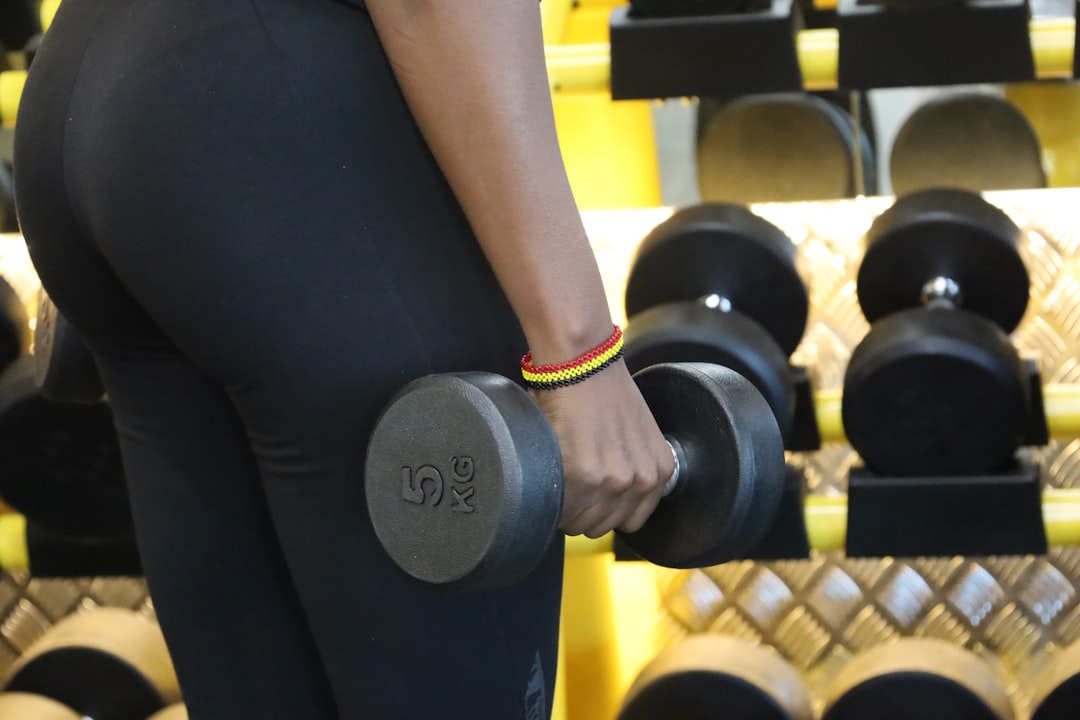
Starting gym workouts can feel overwhelming, especially when results don’t appear immediately. For beginners in the UK, visible changes often begin around four to six weeks with consistent effort. Early improvements typically include increased energy, better mood, and initial strength gains. Understanding the realistic timeline helps maintain motivation and set achievable goals while adapting to exercise routines safely.
Why Starting Feels So Hard (And Why That's Normal)
Starting a gym routine is often difficult because it requires new habits and physical adaptations. Exercise is defined by the NHS physical activity guidelines as any planned, structured movement aimed at improving fitness. For beginners, the body initially resists change, causing muscle soreness, fatigue, and mental strain. The NHS mental health and exercise guidance highlights that exercise positively affects brain chemistry but benefits often take several weeks to become noticeable.
Beginners may struggle with motivation because early results are mostly internal, such as improved sleep and mood, rather than visible muscle tone or weight loss. The Sport England Active Lives survey reveals that over 40% of adults in England do not meet recommended activity levels, reflecting how common it is to face barriers initially. Understanding that discomfort and slow progress are normal helps beginners persist past early discouragement. For more on fitness guides, see our guide.
The Simple System That Actually Works for Beginners
A straightforward system for beginners is to combine moderate aerobic exercise with strength training and consistent nutrition. The NHS physical activity guidelines recommend 150 minutes of moderate-intensity aerobic exercise weekly, such as brisk walking or cycling, split into manageable sessions. Strength training twice a week targeting major muscle groups supports muscle growth and metabolism, with exercises like bodyweight squats or resistance band rows.
For meal planning, shopping at UK supermarkets like Tesco or Sainsbury’s can support balanced eating with fresh vegetables, lean proteins, and whole grains. Beginners should track progress with simple measures like energy levels, mood, and strength rather than focusing solely on weight or appearance. Setting small, achievable weekly goals prevents overwhelm.
This system prioritises consistency, gradual intensity increase, and recovery. Over 4 to 6 weeks, noticeable improvements in strength, stamina, and wellbeing typically emerge, reinforcing motivation to continue.
If you'd rather not plan this manually, Milo generates your meals and workouts automatically.
The Mistakes That Keep Most People Stuck
The three mistakes that commonly prevent beginners from seeing gym results are inconsistency, neglecting nutrition, and unrealistic expectations.
Inconsistency leads to stalled progress because the body needs repeated stimulus to adapt. Skipping sessions or irregular workouts slow strength and fitness gains.
Neglecting nutrition undermines results, as muscle repair and fat loss depend on adequate protein intake and balanced calories. Without good nutrition, energy levels drop, and recovery suffers.
Unrealistic expectations cause frustration. Expecting visible muscle definition within days or rapid weight loss leads to disappointment and quitting. Visible changes often require 6 to 12 weeks of steady effort.
Avoiding these pitfalls by sticking to a routine, planning meals, and setting achievable goals makes results more reliable and sustainable.
How to Build Momentum When Motivation Disappears
Motivation naturally fluctuates, but building momentum does not rely solely on feeling inspired. Research from the Sport England Active Lives survey indicates that creating habits based on cues and routines increases long-term activity.
A less obvious insight is that small wins, such as completing a 10-minute workout session aligned with the NHS 10-minute workouts, can trigger dopamine release and reinforce behaviour. Tracking progress visually or in a journal helps sustain effort when motivation dips.
Linking workouts to daily activities, like exercising before breakfast or after work, reduces decision fatigue. Support from friends or group classes also boosts accountability.
The key is to focus on consistency and habit formation rather than relying on motivation alone.
Milo helps you stay consistent — no spreadsheets, no guesswork.
Your First Two Weeks: A Realistic Action Plan
Start with a clear plan: aim for three sessions per week combining 20–30 minutes of moderate aerobic exercise with beginner-friendly strength exercises twice weekly. Use exercises like bodyweight squats, wall push-ups, and gentle lunges to build strength.
Focus on simple meals with lean protein, vegetables, and whole grains, following the NHS Eatwell Guide. Drink water regularly and prioritise sleep.
Set specific days and times for workouts to build routine and track progress by noting energy levels and mood daily. Avoid overdoing it; rest days are vital.
Within two weeks, expect improved stamina and mood, setting a foundation for continued progress. Learn more about the Milo and how it can help you get started.
Frequently Asked Questions
How long does it take a beginner in the UK to see gym results?
Beginners in the UK typically start seeing gym results within four to six weeks of consistent exercise. Early changes include improved energy and strength, while visible physical transformations usually take longer. Following the NHS physical activity guidelines supports steady progress.
What factors affect how quickly gym results appear for beginners?
Results depend on workout consistency, exercise type, nutrition, rest, and individual body response. Beginners who combine aerobic and strength training with balanced nutrition following NHS recommendations see faster improvements.
Can mental health improve before physical results at the gym?
Yes, mental health benefits often appear within weeks of starting exercise. The NHS mental health and exercise guidance notes improvements in mood and stress reduction can be among the first noticeable changes.
How often should a beginner work out to see results at the gym?
The NHS physical activity guidelines advise beginners aim for at least 150 minutes of moderate aerobic activity weekly plus two strength sessions. This frequency typically leads to visible results within 4 to 6 weeks.
Why do some beginners not see gym results quickly?
Common reasons include inconsistent workouts, poor nutrition, and unrealistic expectations. The Sport England Active Lives survey shows many stop early due to lack of progress, highlighting the need for persistence and proper planning.
Get started with Milo. Start your 7-day free trial — from £7.99/month.
Disclaimer: This article is for informational purposes only and does not constitute medical, nutritional, or professional fitness advice. Always consult a qualified healthcare professional before making changes to your diet or exercise routine.
Leave a Reply