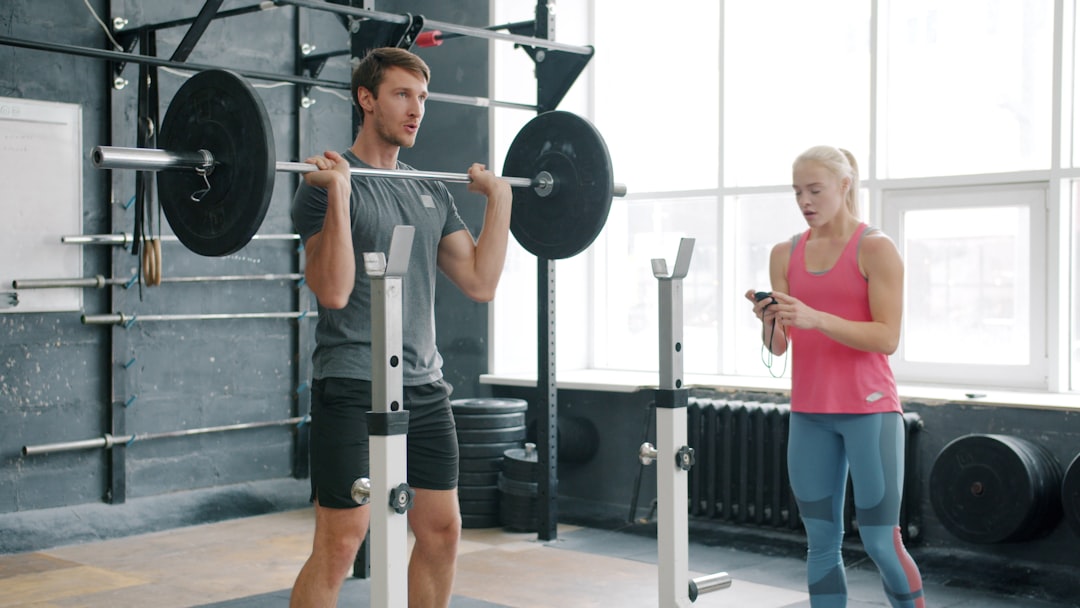
Building muscle at home without equipment is achievable and cost-effective. By using bodyweight exercises and following structured routines, you can gain strength without a gym. This guide explains practical exercises, progression methods, and nutrition tips tailored for the UK. It covers NHS recommendations and simple strategies to build muscle safely, making fitness accessible for everyone.
You Don't Need a Gym Membership to Get Fit
Building muscle at home without equipment is a practical approach that aligns with the NHS physical activity guidelines recommending muscle-strengthening exercises at least twice a week for adults aged 19 to 64. These exercises engage multiple muscle groups using body weight as resistance, stimulating muscle fibres effectively. The absence of weights or machines does not limit muscle growth if the exercises are performed with proper form and progression. This method reduces barriers such as cost, travel time, and gym intimidation, making fitness accessible. Bodyweight exercises improve strength, endurance, and mobility simultaneously, offering a balanced fitness foundation. The NHS also highlights that consistent activity helps manage weight and supports mental health, making home workouts a holistic health strategy. Incorporating a variety of movements prevents plateaus by targeting muscles differently and increasing overall physical capability. For more on fitness guides, see our guide.
The Zero-Equipment Routine That Actually Builds Fitness
The most effective zero-equipment routine for muscle building involves a circuit of compound bodyweight exercises performed in sets and reps that induce muscular fatigue. Start with warm-ups like jumping jacks or high knees for 5 minutes to increase blood flow. Follow with exercises such as push-ups (3 sets of 10–15 reps), bodyweight squats (3 sets of 15–20 reps), glute bridges (3 sets of 15 reps), planks (3 sets of 30–60 seconds), and chair dips (3 sets of 10–15 reps). Rest for 30–60 seconds between sets to maintain intensity. Progress by increasing reps, sets, or reducing rest periods weekly. For added challenge, use household items like filled water bottles for added resistance or perform unilateral exercises like single-leg squats. This routine requires no special equipment and can be done in small spaces typical in UK homes. Consistent performance 3–4 times per week leads to measurable strength and muscle growth within 4 to 8 weeks.
If you'd rather not plan this manually, Milo generates your meals and workouts automatically.
How to Make Home Workouts Hard Enough to Matter
The three mistakes that limit muscle growth in home workouts are insufficient intensity, lack of progression, and neglecting nutrition. First, low intensity fails to challenge muscles; exercises must reach fatigue within 8–15 reps or 30–60 seconds for isometric holds. Second, not increasing difficulty stalls gains; progression can include more reps, advanced variations, or shorter rest. Third, poor nutrition, especially inadequate protein intake, undermines muscle repair and growth. Ignoring these factors means workouts do not stimulate muscle adaptation. To avoid these pitfalls, use variations like elevated push-ups or pistol squats, track progress weekly, and consume at least 1.2 to 1.6 grams of protein per kilogram of body weight daily. These adjustments create the necessary stimulus and support for muscle development.
When (and How) to Add Equipment Without Wasting Money
Adding equipment should come only after mastering bodyweight exercises and reaching progress plateaus. Contrary to popular belief, basic equipment like resistance bands or adjustable dumbbells can cost less than £30 and diversify workouts effectively. Resistance bands allow variable tension through the range of motion, simulating weights safely. The NHS recommends gradual strength progression, which these tools facilitate. Avoid buying bulky or expensive machines early on; instead, prioritise versatile, space-saving items. Secondhand markets or budget-friendly UK retailers offer affordable options. Timing equipment introduction when bodyweight exercises become too easy ensures continued muscle overload, preventing stagnation. This approach balances cost-efficiency with workout effectiveness.
Milo helps you stay consistent — no spreadsheets, no guesswork.
Your Free, No-Excuses Weekly Plan
Start with three weekly sessions focusing on full-body bodyweight exercises. Day 1: Push-ups, squats, planks. Day 2: Lunges, glute bridges, chair dips. Day 3: Combination circuit of all exercises with reduced rest. Perform 3 sets of each exercise with 10–15 reps or 30–60 seconds holds. Increase reps or sets weekly. Include at least 150 minutes of moderate aerobic activity weekly, following the NHS physical activity guidelines. Rest on alternate days to allow muscle recovery. Track your progress by noting reps and difficulty. For aerobic fitness, consider the NHS Couch to 5K free programme to complement strength work. This simple, structured plan requires no equipment and fits into busy UK lifestyles. Learn more about the Milo and how it can help you get started.
Frequently Asked Questions
How can I build muscle at home UK without equipment?
You can build muscle at home without equipment by performing bodyweight exercises like push-ups, squats, lunges, planks, and dips consistently. Following the NHS physical activity guidelines, aim for muscle-strengthening activities at least twice a week, progressively increasing intensity for muscle growth.
What are the best bodyweight exercises for muscle building at home?
The best bodyweight exercises for muscle building include push-ups, bodyweight squats, lunges, planks, and chair dips. These exercises engage major muscle groups effectively and can be adapted in difficulty to build strength progressively.
How often should I do muscle-strengthening exercises at home?
According to NHS physical activity guidelines, adults aged 19 to 64 should perform muscle-strengthening activities on two or more days per week to build and maintain muscle mass effectively.
When should I add equipment to my home workouts?
Add equipment like resistance bands or dumbbells when bodyweight exercises become too easy and no longer challenge your muscles. Introducing equipment at this stage supports continued muscle overload and prevents progress plateaus.
Can I combine muscle building and cardio at home without equipment?
Yes, combining muscle building with aerobic activities like brisk walking or the NHS Couch to 5K free programme improves overall fitness. Aim for at least 150 minutes of moderate aerobic exercise weekly alongside strength training sessions.
Get started with Milo. Start your 7-day free trial — from £7.99/month.
Disclaimer: This article is for informational purposes only and does not constitute medical, nutritional, or professional fitness advice. Always consult a qualified healthcare professional before making changes to your diet or exercise routine.
Leave a Reply