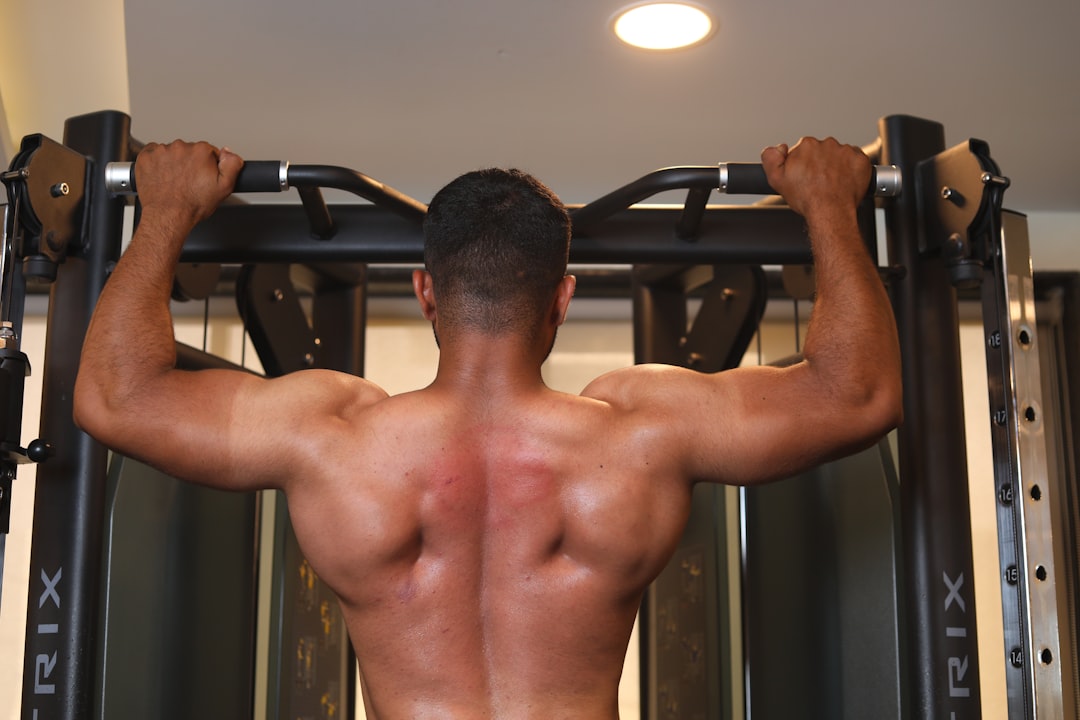
Delayed onset muscle soreness (DOMS) affects many new exercisers, causing discomfort 24 to 72 hours after physical activity. For UK beginners, understanding how to manage DOMS is key to maintaining a consistent workout routine. Simple strategies such as following NHS physical activity guidelines, performing low-impact exercises, and prioritising proper recovery can reduce soreness and improve fitness progress. This article offers practical advice and easy-to-follow routines for effective DOMS management. For more on fitness guides, see our guide.
You Don't Need a Gym Membership to Get Fit
Strength exercises are movements designed to increase muscle strength and endurance, often achievable without gym equipment. The NHS strength exercises at home outline routines requiring no special equipment, using bodyweight exercises like squats, lunges, and press-ups. These exercises can be performed anywhere, making fitness accessible without costly gym memberships. For beginners, this approach reduces barriers while providing measurable strength gains. Research shows bodyweight training effectively stimulates muscle adaptation when done consistently. Strength training twice weekly improves muscle function and metabolic health, aligning with NHS physical activity guidelines. This accessibility encourages regular exercise, helping reduce DOMS severity over time by preparing muscles for increased workloads.
The Zero-Equipment Routine That Actually Builds Fitness
A practical zero-equipment routine involving a circuit of bodyweight exercises can build fitness effectively. Start with 3 rounds of 10 squats, 8 press-ups (can be modified), 10 glute bridges, and 15-second planks, resting 30 seconds between exercises. This sequence targets major muscle groups and can be completed at home or outdoors. Gradually increase repetitions or rounds weekly. Consistency is key; performing this routine three times per week supports adaptation and reduces DOMS episodes by progressively conditioning muscles. UK supermarkets and community centres often have spaces suitable for these workouts, emphasising no-cost fitness. Using simple timers or smartphone alarms helps track intervals. This method matches the NHS advice on building strength and aerobic fitness without equipment, ensuring beginners can start safely and build confidence.
If you'd rather not plan this manually, Milo generates your meals and workouts automatically.
How to Make Home Workouts Hard Enough to Matter
The three common mistakes that reduce workout effectiveness and increase DOMS severity are: 1) Moving too fast through exercises, which limits muscle engagement and increases injury risk; 2) Skipping warm-ups, leading to inadequate muscle preparation and greater soreness; 3) Ignoring progression, which stalls fitness gains and prolongs recovery. These mistakes cause inefficient workouts and excessive muscle damage. To avoid them, begin sessions with 5–10 minutes of light aerobic activity or dynamic stretches, control exercise tempo focusing on muscle tension, and increase intensity gradually. Proper form and pacing reduce unnecessary strain that exacerbates DOMS. These adjustments align with NHS 10-minute home workouts recommendations and help beginners build tolerance without overwhelming muscles.
When (and How) to Add Equipment Without Wasting Money
Adding equipment too early can increase DOMS and financial waste. A contrarian insight is that beginners benefit more from mastering bodyweight exercises before investing in gear. Evidence from NHS resources shows effective strength gains come from consistent bodyweight training. When ready, affordable items such as resistance bands offer variable resistance with minimal cost and space. Resistance bands cost under £15 and can progressively overload muscles safely. Dumbbells or kettlebells can follow once technique is solid. Avoid impulse buying expensive machines or multiple products that complicate routines. Gradual equipment introduction supports sustainable fitness gains and reduces injury risk. This approach respects the NHS guideline that muscle strengthening should be two days per week but emphasises quality over quantity of gear.
Milo helps you stay consistent — no spreadsheets, no guesswork.
Your Free, No-Excuses Weekly Plan
Start your week with a 5-minute warm-up of walking or jogging on the spot. Follow with 3 rounds of the zero-equipment routine: 10 squats, 8 press-ups, 10 glute bridges, 15-second plank, resting 30 seconds between each exercise. Perform this routine on Monday, Wednesday, and Friday. On Tuesday and Thursday, do 20 minutes of light aerobic activity such as brisk walking or cycling. Stretch gently after each session to reduce stiffness. Keep hydrated and prioritise sleep to aid muscle recovery. Adjust repetitions as soreness decreases, progressing gradually. Over four weeks, this plan aligns with NHS physical activity guidelines and reduces DOMS impact.
Frequently Asked Questions
How long does DOMS last for beginners in the UK?
DOMS typically lasts between 24 and 72 hours after exercise for UK beginners. The soreness peaks around 48 hours and gradually subsides. Active recovery and hydration can help speed up relief during this period.
What are the best exercises to reduce DOMS at home?
Bodyweight exercises such as squats, lunges, and glute bridges recommended by the NHS strength exercises at home guide are effective. Gentle movement increases blood flow, aiding muscle recovery and reducing soreness.
Can I exercise with DOMS as a beginner in the UK?
Yes, light to moderate exercise is encouraged during DOMS. Following NHS physical activity guidelines, low-impact activities like walking or cycling can promote recovery without worsening soreness.
How to prevent DOMS when starting a new workout routine?
Prevent DOMS by starting workouts gradually, warming up properly, and increasing intensity slowly as per NHS recommendations. Proper form and pacing reduce muscle strain and inflammation.
Does stretching help with DOMS recovery for UK beginners?
Stretching can alleviate DOMS by improving muscle flexibility and blood circulation. Gentle static or dynamic stretches post-exercise are beneficial and supported by NHS physical activity advice.
Get started with Milo. Start your 7-day free trial — from £7.99/month.
Disclaimer: This article is for informational purposes only and does not constitute medical, nutritional, or professional fitness advice. Always consult a qualified healthcare professional before making changes to your diet or exercise routine.
Leave a Reply