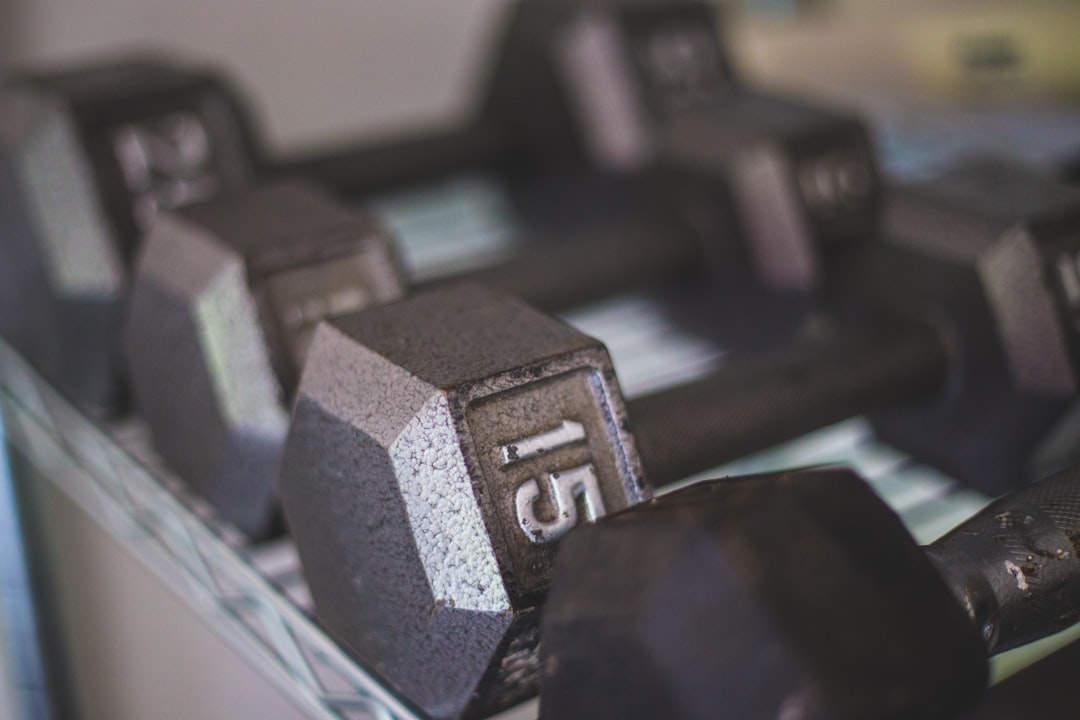
Performing the dumbbell row with correct form is essential for building back strength and avoiding injury. This exercise targets your upper back, shoulders, and arms, and can be done at home with minimal equipment. Many beginners struggle with posture and movement patterns, which limits results and risks strain. Understanding the correct technique and common mistakes will help you progress safely and confidently. This guide breaks down the essential steps and practical tips tailored to UK beginners.
You Don't Need a Gym Membership to Get Fit
Strength training is a form of physical activity that builds muscle strength and endurance using resistance. The NHS strength exercises at home recommend moves like dumbbell rows, bodyweight squats, and press-ups as effective methods that require minimal equipment. Dumbbell rows strengthen the upper back muscles, which support posture and reduce injury risk in daily tasks.
According to the NHS, adults aged 19 to 64 should aim for two or more sessions per week focusing on different muscle groups to maintain overall strength. Dumbbell rows fit perfectly into this routine. You can perform them at home, outdoors, or anywhere with a simple weight. This accessibility removes common barriers like gym costs or commute times.
The NHS physical activity guidelines highlight the importance of strength training for long-term health benefits, including improved bone density, metabolic rate, and reduced risk of chronic conditions. Dumbbell rows contribute by targeting the large muscle groups in the back, which are often neglected in everyday movement. For more on beginner workout plans UK, see our guide.
The Zero-Equipment Routine That Actually Builds Fitness
A zero-equipment workout routine can still provide measurable strength improvements. While dumbbell rows require a weight, similar pulling movements can be done using household items like water bottles or bags filled with books. The key is consistent progression.
Start with 3 sets of 8 to 12 repetitions per side, resting 60 to 90 seconds between sets. Focus on controlled movement, squeezing the shoulder blades together at the top of each rep. Increasing repetitions or weight gradually ensures ongoing muscle stimulus.
In the UK, supermarkets like Tesco or Sainsbury's often stock adjustable dumbbells or kettlebells at reasonable price points for beginners. Investing in one pair enables a wider range of exercises beyond rows, including presses and squats, enhancing overall fitness without gym reliance.
Combining dumbbell rows with bodyweight exercises such as planks and lunges creates a balanced routine that targets all major muscle groups. This approach aligns with the NHS strength exercises at home recommendations and supports meeting weekly physical activity guidelines.
If you'd rather not plan this manually, Milo generates your meals and workouts automatically.
How to Make Home Workouts Hard Enough to Matter
The three common mistakes that reduce the effectiveness of home workouts include poor exercise form, inadequate progression, and inconsistent scheduling. Poor form during dumbbell rows can lead to lower back strain and limit muscle engagement. For example, rounding the spine places stress on vertebrae instead of the target muscles.
Inadequate progression happens when the weight or repetitions stay too low, preventing muscle adaptation and growth. Without gradually increasing challenge, strength gains plateau. Lastly, inconsistent workout schedules fail to build training habit or sufficient stimulus, making progress slow or nonexistent.
To avoid these pitfalls, maintain a flat back during dumbbell rows, increase weight or reps every 1 to 2 weeks, and schedule sessions on fixed days, aiming for two or three strength workouts weekly. Tracking progress helps stay motivated and ensures exercises meet NHS physical activity guidelines.
When (and How) to Add Equipment Without Wasting Money
Adding equipment should be strategic and based on your progress. Evidence shows that investing in adjustable dumbbells can save money long-term, as they replace multiple fixed-weight sets. In the UK, adjustable dumbbells start from around £30 and allow incremental weight increases.
Buying equipment too early or investing in bulky machines often leads to underuse and wasted expense. Begin with bodyweight and simple dumbbell rows, then add weights when 12 reps become easy for three sets. This aligns with NHS strength exercises at home advice for gradual overload.
Some free or low-cost equipment alternatives include resistance bands, which add variable resistance and are portable. These can complement dumbbell rows by training other muscle movements. The British Heart Foundation recommends home exercise options that require minimal investment but deliver cardiovascular and muscular benefits.
Milo helps you stay consistent — no spreadsheets, no guesswork.
Your Free, No-Excuses Weekly Plan
Commit to two sessions of dumbbell rows per week, with 3 sets of 10 reps per arm. Start with a light weight that challenges you but allows perfect form. Rest 1 to 2 minutes between sets. Include warm-up movements like arm circles and gentle stretches.
On alternate days, perform bodyweight exercises such as press-ups and squats for balanced strength. Use NHS Couch to 5K free programme guidance to add aerobic fitness without equipment. Track sessions on a calendar and review progress every two weeks.
This simple, structured plan meets NHS physical activity guidelines and builds strength without a gym or expensive gear. Learn more about the Milo and how it can help you get started.
Frequently Asked Questions
How do I do a dumbbell row correctly?
To do a dumbbell row correctly, hold a dumbbell in one hand, bend at the hips with a flat back, and support your body with the opposite hand and knee on a stable surface. Pull the dumbbell towards your waist by squeezing your shoulder blade back and down, then lower it slowly. This controlled motion engages your upper back muscles safely.
What muscles does the dumbbell row work?
The dumbbell row primarily targets the latissimus dorsi, trapezius, and rhomboid muscles in the upper back. It also engages the rear shoulders and biceps, supporting better posture and upper body strength as recommended in NHS strength training guidance.
How many dumbbell row reps should beginners do?
Beginners should start with 3 sets of 8 to 12 repetitions per arm, resting 60 to 90 seconds between sets. This range is effective for building muscle strength without overexertion and aligns with NHS physical activity guidelines for strength training.
Can dumbbell rows be done at home without a gym?
Yes, dumbbell rows can be performed at home using a single dumbbell or household items like water bottles filled with water. The NHS strength exercises at home recommend this move as an accessible way to build back strength without a gym membership.
How often should I do dumbbell rows weekly for best results?
The NHS physical activity guidelines suggest doing muscle-strengthening exercises, including dumbbell rows, at least two times per week. Consistent training with proper rest supports muscle growth and overall fitness.
Get started with Milo. Start your 7-day free trial — from £7.99/month.
Disclaimer: This article is for informational purposes only and does not constitute medical, nutritional, or professional fitness advice. Always consult a qualified healthcare professional before making changes to your diet or exercise routine.
Leave a Reply