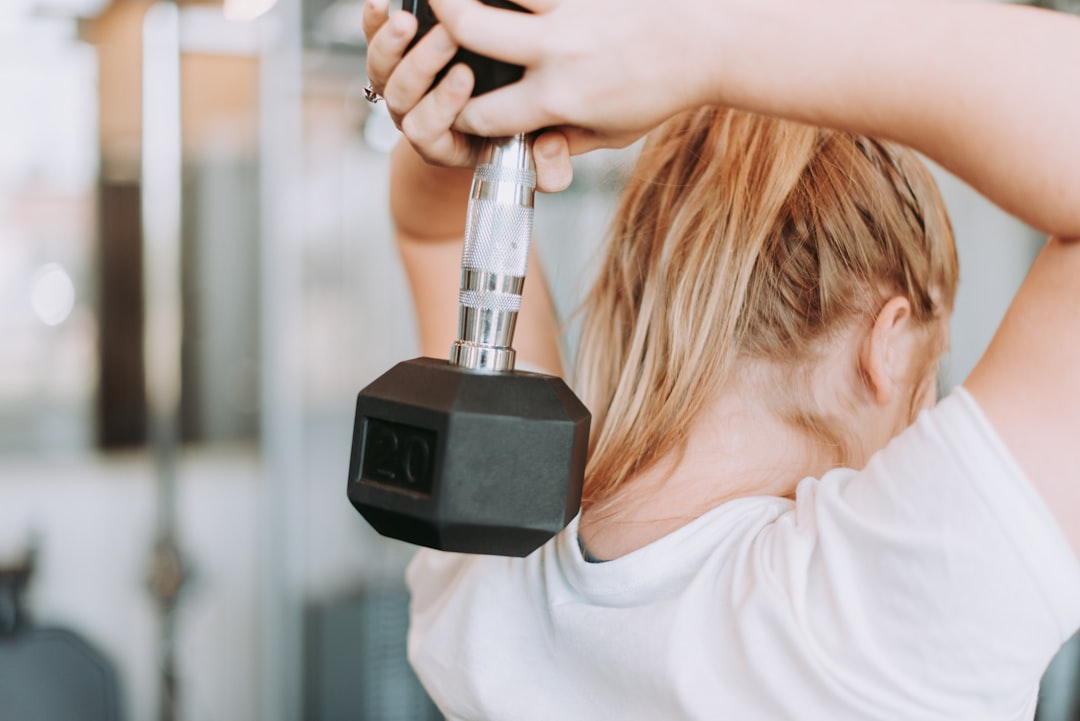
Hip thrusts are a key exercise for building glute strength and improving posture, but many beginners in the UK get the form wrong, risking injury and slow progress. This guide explains how to perform hip thrusts correctly with clear steps, common mistakes to avoid, and expert-backed recommendations. Whether you’re new to fitness or struggling with technique, understanding the correct method will maximise your results and safeguard your body. For more on beginner workout plans UK, see our guide.
The Fitness Advice That's Actually Holding You Back
Hip thrusts are a glute-focused exercise designed to increase strength and muscle activation in the hips and buttocks. Contrary to popular belief, pushing through the toes or using heavy weights without mastering form first is counterproductive. Many online tutorials exaggerate the range of motion or encourage excessive lumbar extension, which can lead to lower back pain and delays in strength gains. Sport England Active Lives research indicates that only about 22% of adults in England meet recommended muscle-strengthening activity levels, highlighting widespread form and consistency issues. The NHS physical activity guidelines suggest focusing on controlled movements and correct positioning over lifting heavy weights early on, a principle often ignored in beginner advice.
What the Science (and Experience) Actually Says
Correct hip thrust form involves a precise sequence: start seated with your upper back on a bench, feet flat on the floor hip-width apart, and knees bent at around 90 degrees. Engage your core and maintain a neutral spine throughout. Drive through your heels to lift your hips until your body creates a straight line from shoulders to knees, pausing at the top to actively squeeze your glutes. Lower slowly to avoid momentum. UK gyms such as PureGym commonly advise beginners to use just body weight or light resistance bands initially, progressing gradually. Supermarkets like Tesco stock affordable resistance bands suitable for home practice. This gradual progression aligns with NHS strength exercises recommendations, reducing injury risk and promoting muscle adaptation. Avoiding common errors like pushing through the toes or hyperextending the lower back ensures the glutes, not the hamstrings or spine, do the work.
If you'd rather not plan this manually, Milo generates your meals and workouts automatically.
Why "Go Hard or Go Home" Is the Worst Advice for Beginners
The three biggest mistakes that cause setbacks when starting hip thrusts are: 1) prioritising heavy weights over form, leading to lower back strain; 2) neglecting proper hip and foot positioning, which reduces glute activation and increases knee stress; 3) rushing through reps without controlled movement, causing momentum to replace muscle effort. These mistakes can result in pain, prolonged recovery, and stalled progress. Many influencers promote "max effort" training from day one, but this approach ignores how the NHS physical activity guidelines recommend gradual build-up for strength and injury prevention. Beginners who follow this flawed advice often experience soreness and frustration, leading to early abandonment of their fitness goals.
The Simple Principles That Actually Work Long-Term
Focusing on quality over quantity is key to hip thrust success. Research-backed advice shows that performing 2–3 sets of 8–12 controlled reps with proper form yields the best strength gains for beginners. The NHS physical activity guidelines recommend muscle-strengthening activities twice weekly, which supports consistent progress without overtraining. Maintaining a neutral spine, engaging the core, and concentrating on glute contraction at the peak of the lift ensures the right muscles are targeted. Mind’s insights on exercise and mental health highlight how mindful movement enhances body awareness and motivation, reducing injury risk. Incremental load increases, such as adding light resistance bands or gradually increasing weight, helps build strength sustainably. This approach counters the common myth that more weight or faster reps equal better results.
Milo helps you stay consistent — no spreadsheets, no guesswork.
How to Filter Good Advice from Noise Going Forward
Prioritise sources that reference established UK guidelines like the NHS physical activity guidelines and Sport England data. Seek clear, step-by-step instructions that emphasise form before load. Avoid advice that pushes heavy weights or high reps too soon. Set short-term goals to master technique within 2–4 weeks before increasing intensity. Consult professionals or reputable UK fitness resources for personalised feedback. Regularly reassess your form and progress to prevent bad habits.
Frequently Asked Questions
How do I do a hip thrust correctly as a UK beginner?
To do a hip thrust correctly as a UK beginner, place your upper back against a bench with feet flat and hip-width apart. Drive through your heels to lift your hips until your body forms a straight line from shoulders to knees. Maintain a neutral spine and avoid overarching your lower back. NHS guidelines recommend starting with bodyweight to master form before adding resistance.
What are the common mistakes when doing hip thrusts for beginners?
Common mistakes include pushing through the toes instead of heels, overextending the lower back, and rushing reps without control. These errors reduce glute activation and increase injury risk. The NHS physical activity guidelines emphasise controlled movement and proper positioning to maximise benefits safely.
How often should beginners do hip thrusts according to UK recommendations?
Beginners should perform hip thrusts 2–3 times per week, aligning with NHS strength exercise recommendations of doing muscle-strengthening activities twice weekly. This frequency supports muscle growth and recovery without overtraining.
Can hip thrusts improve mental health for UK beginners?
Yes, hip thrusts and other strength exercises contribute to improved mental health by releasing endorphins and reducing stress. Mind highlights that regular physical activity helps manage anxiety and depression, making hip thrusts beneficial beyond physical fitness.
Should UK beginners add weights to hip thrusts immediately?
No, beginners should first master form using bodyweight or light resistance bands before adding weights. This approach reduces injury risk and aligns with NHS physical activity guidelines advising gradual progression in strength training.
Get started with Milo. Start your 7-day free trial — from £7.99/month.
Disclaimer: This article is for informational purposes only and does not constitute medical, nutritional, or professional fitness advice. Always consult a qualified healthcare professional before making changes to your diet or exercise routine.
Leave a Reply