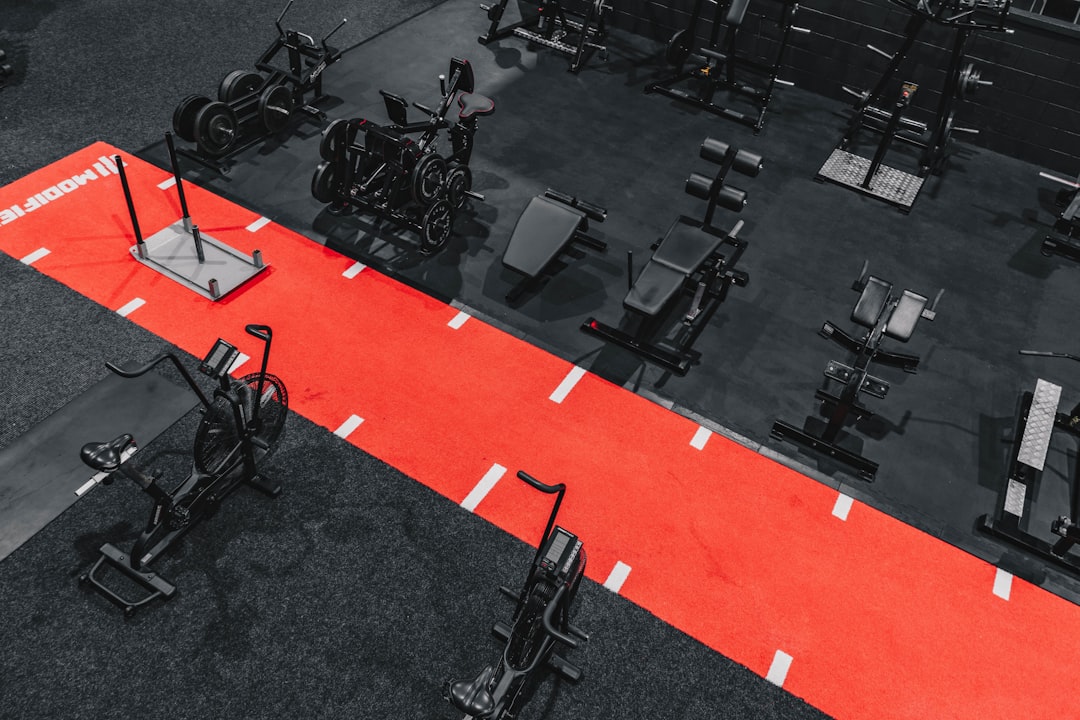
Finding a cheap gym membership in the UK can be a challenge for beginners looking to start their fitness journey without breaking the bank. This guide breaks down practical ways to access affordable gym options, including flexible payment plans and off-peak memberships. It also outlines how to build beginner-friendly workout routines and meal plans that complement your budget. With clear steps and expert advice, you can start working out effectively while saving money.
What a Good Beginner Plan Actually Looks Like
A good beginner plan is structured to meet the NHS physical activity guidelines of 150 minutes of moderate exercise and strength training twice weekly. This means starting with 30-minute sessions, five days a week. Sessions should include a mix of aerobic activities like brisk walking or cycling alongside strength exercises using bodyweight or light weights.
Strength training should focus on 8–12 repetitions per exercise, 2–3 sets per session, targeting major muscle groups such as legs, back, chest, and core. According to the NHS, this approach builds muscle and improves bone health NHS strength training guidelines.
For gym memberships under £15 a month, beginners should prioritise machines that guide form and minimize injury risk. Groups classes at budget gyms often cost extra but can be swapped for home-based bodyweight routines to keep costs low. The key is consistency and progression, gradually increasing duration or intensity every week. For more on beginner workout plans UK, see our guide.
Week-by-Week: Your First Four Weeks Laid Out
Start your first week with three 30-minute sessions of moderate cardio such as walking or cycling, plus two 15-minute sessions of bodyweight strength moves like squats and wall push-ups. Aim for 10 repetitions per exercise, two sets each.
In week two, increase cardio sessions to 40 minutes and add a third strength session focusing on core exercises like planks held for 20 seconds, three times. Use gym facilities during off-peak hours (usually mid-morning or late evening) to access cheaper membership rates.
Week three should include a mix of 45-minute cardio sessions and three strength training workouts with 3 sets of 12 repetitions, introducing light dumbbells if available. Consider budget gyms such as PureGym or The Gym Group, which offer flexible monthly plans without long contracts.
By week four, incorporate interval training by alternating one-minute bursts of faster paced cardio with two minutes of slow recovery for 20 minutes. Maintain strength sessions targeting all major muscle groups twice weekly. Check local supermarkets like Tesco or Asda for affordable protein sources to support recovery and muscle growth.
If you'd rather not plan this manually, Milo generates your meals and workouts automatically.
The Three Things Beginners Get Wrong in the First Month
The three mistakes that slow progress and waste money are: overestimating workout intensity, poorly timing nutrition, and neglecting recovery.
Firstly, beginners often start with workouts too intense for their current fitness, leading to injury or burnout. For example, skipping warm-ups or attempting heavy lifts before mastering form can cause setbacks.
Secondly, many ignore the importance of eating balanced meals timed around workouts. Without adequate protein and carbs before and after sessions, energy levels drop and muscle repair slows.
Thirdly, neglecting rest days or sleep undermines gains. The NHS advises adults to aim for 7–9 hours of sleep to optimise recovery and mental wellbeing NHS sleep and recovery.
Avoid these by following a gradual plan, aligning meals with workouts, and scheduling at least two rest days per week.
How to Adjust the Plan When Life Gets in the Way
Adapting your gym plan around a busy schedule is essential. Evidence shows even 10-minute bursts of moderate exercise count towards the 150-minute weekly target if done consistently NHS physical activity guidelines for adults.
If gym visits become impossible, substitute with brisk walking, stair climbing, or bodyweight circuits at home. Using digital timers, perform 3 sets of 10 squats or lunges during breaks.
Meal plans can also shift to quick, nutrient-dense options like boiled eggs, canned tuna, or pre-chopped vegetables from supermarkets.
Finally, prioritise sleep and stress management, as poor recovery can negate workout benefits. Scheduling workouts early in the day or splitting sessions into two 15-minute blocks can improve adherence.
Milo helps you stay consistent — no spreadsheets, no guesswork.
What to Do When Week Four Is Done
After four weeks, increase workout intensity by adding 5 minutes to cardio sessions or 1–2 repetitions per strength exercise each week. Schedule a fitness assessment to track progress.
Aim to maintain a consistent routine of 5 exercise days per week mixing cardio and strength training as per NHS guidelines.
Plan meals using the NHS Eatwell Guide to ensure balanced nutrition supporting sustained energy and recovery NHS Eatwell Guide. Learn more about the Milo and how it can help you get started.
Frequently Asked Questions
How can I get a cheap gym membership in the UK?
You can get a cheap gym membership in the UK by choosing budget gyms like PureGym or The Gym Group, which offer monthly fees from around £10. Signing up during promotions, opting for off-peak hours, or using student and NHS discounts can reduce costs further.
What is the average cost of a gym membership in the UK?
The average cost of a gym membership in the UK ranges between £20 and £40 per month. Budget gyms offer memberships starting as low as £10, making fitness accessible for beginners on a tight budget.
Are there free or low-cost alternatives to gym memberships in the UK?
Yes, free or low-cost alternatives include outdoor activities like walking and running, following the NHS Couch to 5K programme, or using home workouts with bodyweight exercises. Many local councils also offer discounted leisure centre memberships.
How often should beginners work out to see results?
Beginners should aim for at least 150 minutes of moderate aerobic activity per week and strength training on two or more days. This aligns with NHS physical activity guidelines and supports consistent fitness improvements.
Can off-peak gym memberships save money in the UK?
Off-peak gym memberships can save money by offering reduced rates for access during less busy hours, typically mid-morning or late evening. Many UK gyms provide these cheaper options to help members cut costs.
Get started with Milo. Start your 7-day free trial — from £7.99/month.
Disclaimer: This article is for informational purposes only and does not constitute medical, nutritional, or professional fitness advice. Always consult a qualified healthcare professional before making changes to your diet or exercise routine.
Leave a Reply