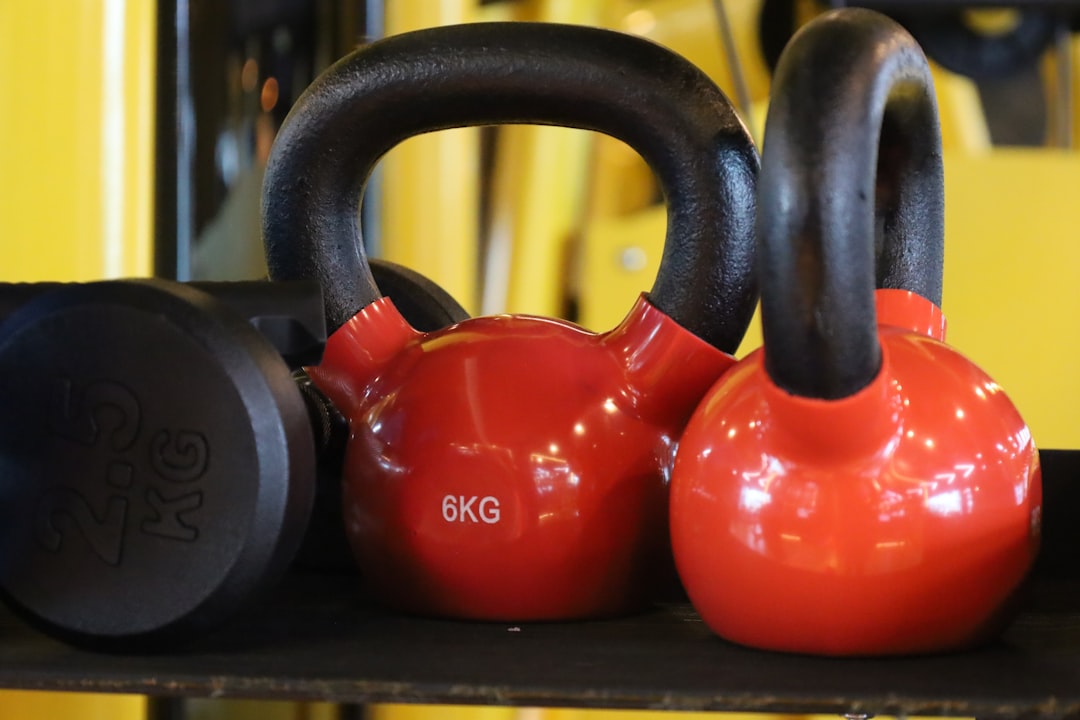
Losing weight without going to the gym is entirely possible for beginners in the UK. With over 150 minutes of moderate exercise weekly, combined with personalised meal plans, you can effectively shed pounds while building strength. This guide breaks down simple, actionable steps including home workouts, walking routines, and balanced nutrition to start your weight loss journey without expensive gym memberships or equipment. For more on calorie deficit explained, see our guide.
What a Good Beginner Plan Actually Looks Like
A good beginner weight loss plan is a structured routine combining at least 150 minutes of moderate aerobic activity weekly with two days of strength training, as noted by the NHS physical activity guidelines for adults. This plan includes walking briskly for 30 minutes five times a week and performing bodyweight exercises like squats, lunges, and push-ups twice weekly. It emphasises consistency over intensity, allowing gradual adaptation to exercise and reducing injury risk. Nutrition should follow balanced portions from the NHS Eatwell Guide, focusing on whole foods, vegetables, lean proteins, and controlled carbohydrates. Keeping a food diary for the first two weeks helps beginners understand calorie intake and hunger cues.
Week-by-Week: Your First Four Weeks Laid Out
Your first four weeks should incrementally build activity and habit. Week 1 focuses on daily 20-minute brisk walks plus two sessions of basic bodyweight exercises (2 sets of 10 squats, 5 push-ups, 10 lunges per leg). Week 2 increases walks to 30 minutes at a steady pace and adds a third strength session with the same exercises but 3 sets. In Week 3, include interval walking by alternating 1 minute fast walking with 2 minutes normal pace for 20 minutes, plus two strength sessions adding planks (3 x 20 seconds). Week 4 raises walking to 35 minutes and adds one more strength session, increasing reps to 15 per set. Supermarkets like Tesco and Sainsbury’s offer affordable fresh produce for meal prep aligned with calorie targets. This gradual build aligns with NHS Couch to 5K guidelines recommending incremental progress.
If you'd rather not plan this manually, Milo generates your meals and workouts automatically.
The Three Things Beginners Get Wrong in the First Month
The three common mistakes that hinder weight loss are: 1) Overestimating calorie burn leading to overeating, which stalls progress. Beginners often think a 30-minute walk burns excessive calories but typical expenditure is about 150 calories, not enough to compensate for large meals. 2) Neglecting strength training, which reduces resting metabolic rate. The NHS strength training guidelines recommend at least two sessions weekly to build muscle and boost metabolism. 3) Ignoring recovery and sleep. Poor sleep quality disrupts hunger hormones, increasing appetite and fat storage; adults need 7–9 hours per night for optimal results. Avoid these pitfalls by tracking food intake, including strength exercises, and prioritising sleep hygiene.
How to Adjust the Plan When Life Gets in the Way
When schedules get tight, it’s more effective to split exercise into shorter bouts than skip entirely. Research shows 10-minute activity sessions, three times daily, can meet the 150-minute weekly target. Incorporate walking during breaks or household chores as moderate exercise. Strength exercises can use resistance bands or household items, requiring no gym equipment. The Mind organisation highlights physical activity’s role in mental wellbeing, reinforcing the value of even brief daily movement. If energy drops, prioritise sleep as poor rest reduces exercise capacity and recovery, per NHS sleep and recovery advice. Flexibility in timing and intensity keeps progress steady despite life’s demands.
Milo helps you stay consistent — no spreadsheets, no guesswork.
What to Do When Week Four Is Done
After completing four weeks, increase exercise variety and intensity incrementally. Introduce new activities like cycling or yoga, aiming for 40 minutes of aerobic exercise five days a week and three strength sessions. Track weight and measurements to assess progress monthly. Adjust calorie intake if weight loss plateaus by reducing daily intake by 100–200 calories. Set a 12-week goal to reassess overall fitness and weight loss. Continuing strength training twice weekly supports muscle retention and metabolic health, per NHS strength training guidelines.
Frequently Asked Questions
How can I lose weight without going to the gym as a beginner in the UK?
You can lose weight without the gym by doing at least 150 minutes of moderate aerobic activity weekly, such as brisk walking, combined with two days of bodyweight strength training. Following UK nutrition guidelines to manage calorie intake supports fat loss effectively.
What exercises are best for beginners to lose weight without gym equipment?
Beginners should focus on bodyweight exercises like squats, lunges, push-ups, and planks performed two to three times weekly, alongside daily brisk walks. These exercises build muscle and burn calories without any equipment.
How many minutes of exercise do I need weekly to lose weight without the gym?
The NHS recommends at least 150 minutes of moderate aerobic exercise per week, such as walking or cycling, plus two sessions of strength training to promote weight loss and improve fitness.
Can I lose weight by walking alone without gym workouts?
Walking briskly for 30 minutes five days a week burns approximately 600–750 calories weekly, which can contribute to weight loss when combined with controlled calorie intake.
How important is strength training for weight loss without gym access?
Strength training is crucial as it helps preserve muscle mass and increases resting metabolic rate. The NHS advises two strength sessions per week using bodyweight or resistance bands for effective weight loss.
Get started with Milo. Start your 7-day free trial — from £7.99/month.
Disclaimer: This article is for informational purposes only and does not constitute medical, nutritional, or professional fitness advice. Always consult a qualified healthcare professional before making changes to your diet or exercise routine.
Leave a Reply