Tracking progressive overload is essential for beginners in the UK wanting to increase strength and muscle safely. This process involves gradually increasing the demands on your muscles through measurable steps such as adding reps, sets, or resistance. You don’t need expensive gym equipment or memberships to start. By using simple bodyweight exercises and following UK physical activity guidelines, beginners can confidently track progress and avoid plateaus. This guide offers practical advice on measuring your improvements and adjusting workouts effectively.
You Don't Need a Gym Membership to Get Fit
Progressive overload can be achieved at home without gym access. Bodyweight exercises like squats, lunges, push-ups, and planks can effectively build strength when performed consistently and progressively. The NHS strength exercises at home list includes movements targeting all major muscle groups and can be done with no equipment. For example, increasing from 10 to 15 squats over a few sessions counts as progressive overload. The key is to increase exercise difficulty by adding reps, sets, or reducing rest times to challenge muscles gradually.
Using household items such as filled water bottles or backpacks can add resistance without costly equipment. This approach keeps fitness accessible and budget-friendly. British Heart Foundation’s home exercise guide also supports home-based strength building with easy-to-follow routines. For more on fitness guides, see our guide.
The Zero-Equipment Routine That Actually Builds Fitness
A zero-equipment routine that builds measurable fitness involves selecting compound movements targeting multiple muscle groups. Start with exercises like wall push-ups, chair dips, bodyweight squats, and glute bridges. Perform 3 sets of 8-12 reps each, resting 60-90 seconds between sets. Track your reps and sets in a journal or app.
Progressive overload here means increasing reps per set by 1-2 every week or adding a fourth set once 12 reps become easy. Timed exercises like planks can be incrementally increased by 5 seconds per session. The NHS strength exercises at home recommend these accessible movements for strength gains.
Set a weekly schedule performing this routine 2-3 times, aligning with NHS physical activity guidelines. Consistency combined with gradual increases in volume or intensity will yield strength improvements without equipment or gym access.
If you'd rather not plan this manually, Milo generates your meals and workouts automatically.
How to Make Home Workouts Hard Enough to Matter
The three main mistakes that limit progressive overload at home are: 1) not increasing challenge regularly, 2) poor exercise form, and 3) insufficient recovery.
Failing to increase reps, sets, or resistance prevents muscle adaptation, causing plateaus. Poor form reduces effectiveness and increases injury risk. Ignoring rest days leads to fatigue and weaker performance. To avoid these, track your workouts precisely, focus on quality movements, and schedule rest as recommended by NHS physical activity guidelines.
Use variations to increase difficulty, such as elevating feet during push-ups or slowing down movements to increase time under tension. Tracking improvements in reps, sets, or duration ensures workouts remain challenging enough to stimulate strength gains.
When (and How) to Add Equipment Without Wasting Money
Adding equipment too soon can be unnecessary and costly. The best time to introduce weights or resistance bands is after mastering bodyweight exercises and consistently increasing reps or sets over 4-6 weeks.
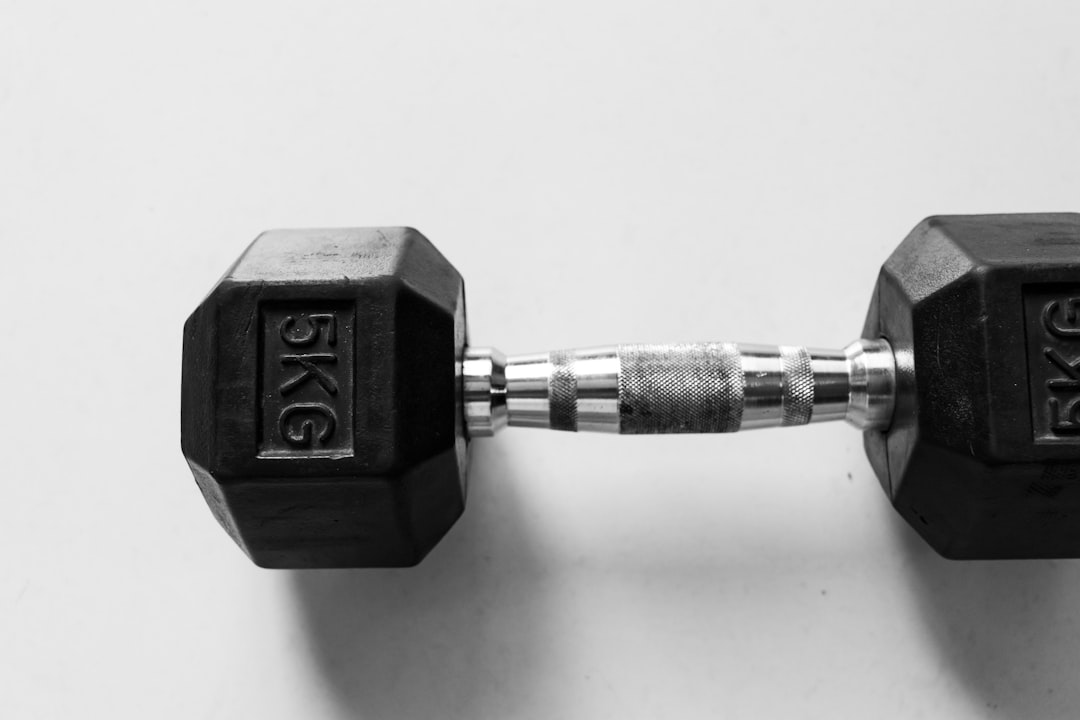
Resistance bands are affordable and versatile, allowing incremental load increases. Dumbbells can also be purchased cheaply from supermarkets or discount stores in the UK. The NHS physical activity guidelines emphasise that progressive overload can be achieved by adding resistance or increasing exercise difficulty.
Research shows that gradual increases in resistance by 2-5% per week are effective for building strength without injury. Purchasing equipment that matches your current strength level prevents wasted money and maximises workout results.
Milo helps you stay consistent — no spreadsheets, no guesswork.
Your Free, No-Excuses Weekly Plan
Start with a 3-day weekly schedule of full-body bodyweight workouts focusing on squats, push-ups, lunges, glute bridges, and planks. Perform 3 sets of 8-12 reps, increasing reps by 1-2 each session or reducing rest time by 10 seconds.
Record your reps, sets, and rest times in a notebook or free app after each workout. Rest at least one day between sessions for recovery as per NHS physical activity guidelines. After 4 weeks, assess progress and consider adding resistance bands or weights.
Incorporate 150 minutes of moderate aerobic activity weekly, such as walking or cycling, to complement strength training. The NHS Couch to 5K free programme is a practical resource to build running fitness alongside strength. Learn more about the Milo and how it can help you get started.
Frequently Asked Questions
How do beginners in the UK track progressive overload effectively?
Beginners in the UK track progressive overload by recording initial repetitions, sets, and rest periods, then gradually increasing one variable weekly. For example, adding one extra rep or reducing rest by 10 seconds. Using simple logs or free digital trackers helps monitor progress, ensuring steady strength gains while following NHS physical activity guidelines.
Can I track progressive overload without weights in the UK?
Yes, progressive overload can be tracked without weights by increasing repetitions, sets, or exercise difficulty in bodyweight workouts. The NHS strength exercises at home provide suitable movements, and incremental progress like adding 2-5 reps per session counts as effective overload.
What is the best way to start progressive overload as a UK beginner?
The best way for UK beginners to start progressive overload is to perform simple bodyweight exercises 2-3 times weekly, recording reps and sets. Increase reps by 1-2 each session or reduce rest times gradually. Following NHS physical activity guidelines ensures safe and effective progression.
When should I add equipment to track progressive overload in the UK?
Add equipment like resistance bands or dumbbells after consistently increasing bodyweight exercise reps over 4-6 weeks. This prevents unnecessary expenses and injury. Incremental load increases of 2-5% per week are recommended, aligning with NHS physical activity guidelines.
Is there a free UK resource to help track progressive overload for beginners?
Yes, the NHS Couch to 5K free programme supports building aerobic fitness and can be combined with strength training for progressive overload. Additionally, NHS strength exercises at home provide free guidance on resistance exercises to track and increase over time.
Get started with Milo. Start your 7-day free trial — from £7.99/month.
Disclaimer: This article is for informational purposes only and does not constitute medical, nutritional, or professional fitness advice. Always consult a qualified healthcare professional before making changes to your diet or exercise routine.
Leave a Reply