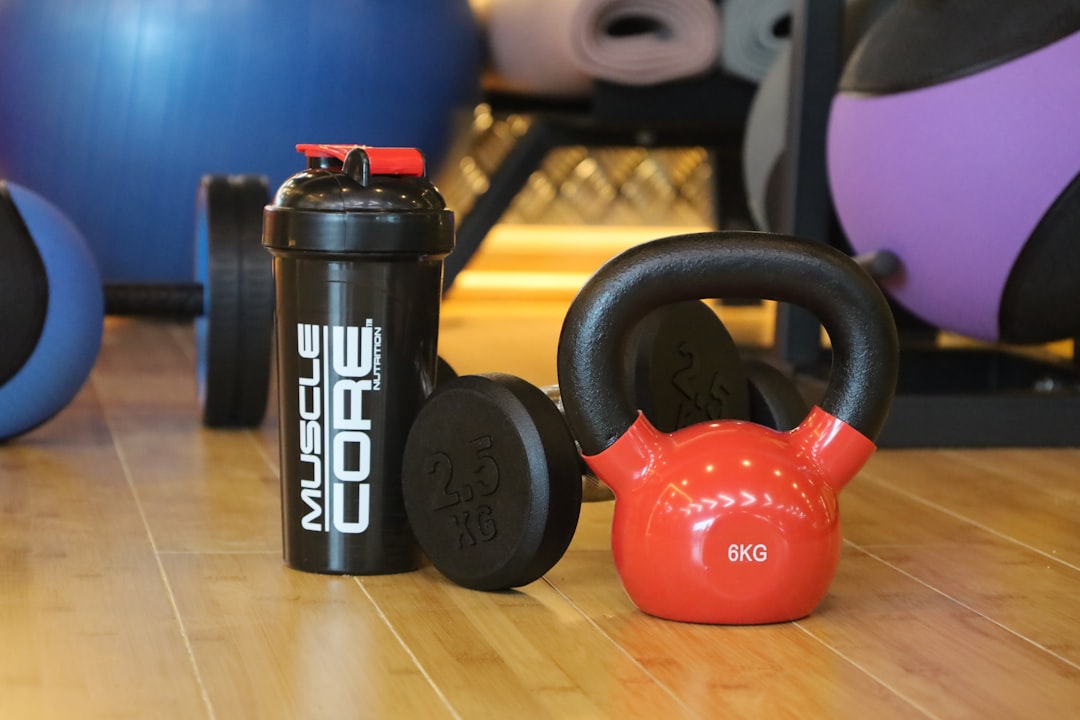
Starting out at the gym can feel overwhelming, especially when faced with unfamiliar equipment. Many beginners in the UK struggle to see progress and feel frustrated enough to quit. This guide offers a clear, grounded approach to using gym equipment effectively, focusing on performance and habit-building rather than immediate appearance changes. Understanding the right techniques and metrics will help you stay motivated and make genuine progress from your workouts.
Why You're Making Progress Even When It Doesn't Feel Like It
Progress in fitness is often defined by adaptation, which is the body’s response to consistent physical activity. The NHS physical activity guidelines recommend at least 150 minutes of moderate aerobic activity plus two strength sessions per week. Beginners may not see visible changes immediately, but improvements in endurance, balance, and muscle activation are occurring. These internal adaptations prepare the body for more intense training and are foundational to future visible results.
Performance metrics such as increased reps, longer duration on cardio machines, or better form indicate progress even if weight or appearance remain unchanged. Understanding that these internal gains are key milestones can reduce frustration and maintain motivation. The nervous system learns to recruit muscle fibres more efficiently, which is a crucial early step often overlooked. For more on fitness guides, see our guide.
The Metrics That Actually Matter for Beginners
Tracking progress through weight loss or muscle definition alone can be misleading for beginners. Instead, focus on measurable performance markers like the number of reps completed, duration on cardio machines, and improvements in flexibility. For example, recording the time spent walking on a treadmill or the number of leg press reps can provide tangible evidence of progress.
Using accessible UK gym chains such as PureGym or The Gym Group, beginners can utilise equipment that often includes digital tracking screens. These provide instant feedback on calories burned, distance covered, and heart rate. Tracking these helps build a habit and offers concrete goals.
Additionally, shopping for nutritious food at Tesco or Sainsbury’s and following simple meal plans supports energy levels for workouts. The NHS Eatwell Guide recommends a balanced diet including fruits, vegetables, protein, and whole grains to complement exercise routines.
If you'd rather not plan this manually, Milo generates your meals and workouts automatically.
How to Track Without Becoming Obsessed
The three mistakes that prevent effective fitness tracking are: focusing only on weight changes, comparing progress to others, and neglecting rest and recovery data. Weight can fluctuate due to hydration or muscle gain, leading to discouragement if used as the sole measure. Comparing yourself to others often causes frustration because everyone’s body responds differently.
Ignoring recovery metrics like sleep quality or muscle soreness can result in overtraining and injury. For example, the NHS sleep and health advice highlights that poor sleep impairs muscle recovery and performance.
Tracking should balance quantitative data with subjective feelings of energy and strength. Using a simple journal or digital tracker to note workout completion, mood, and fatigue helps avoid obsession. Regularly reviewing progress every 3-4 weeks is sufficient to adjust plans without over-focusing on daily fluctuations.
When to Change the Plan and When to Stay the Course
A less obvious insight is that early plateaus in progress are normal and do not always indicate the need for drastic changes. The NHS weight loss guidance advises steady weight loss of 0.5 to 1 kilogram per week as a healthy target, reflecting that rapid changes are unsustainable.
If performance metrics such as reps or cardio duration improve steadily, it is best to maintain the current routine. Change is warranted if workouts feel excessively easy for two consecutive weeks, or if pain or fatigue persist. Adjustments can include increasing weight slightly or adding an extra session.
Remaining patient with progress and trusting the process reduces burnout risk and supports long-term habits. Monitoring for signs of overtraining, such as persistent soreness or drop in motivation, helps decide when to rest or modify the plan.
Milo helps you stay consistent — no spreadsheets, no guesswork.
Building a Habit That Lasts Beyond the First Month
Set specific, achievable goals such as attending 2-3 gym sessions per week for four weeks. Schedule workouts at consistent times to build routine. Use simple tracking methods like ticking off sessions in a calendar.
Incorporate variety by alternating cardio and strength machines to maintain interest and target different muscle groups. Focus on mastery of techniques with moderate loads before increasing intensity.
Celebrate small wins such as completing a session or improving form to reinforce positive behaviour. Seeking guidance on equipment use through instructional videos or gym staff can boost confidence. Learn more about the Milo and how it can help you get started.
Frequently Asked Questions
How should a beginner use gym equipment safely in the UK?
Beginners should start with machines that guide movement to ensure proper form and reduce injury risk. Begin with light weights and focus on controlled, slow repetitions. Warming up for 5-10 minutes and cooling down after exercise are essential. Following the NHS physical activity guidelines can help structure sessions safely.
What is the best gym equipment for beginners in the UK?
The best gym equipment for beginners includes cardio machines like treadmills and cross-trainers and strength machines such as leg presses and chest presses. These machines support guided movement and help build foundational strength safely, aligning with NHS recommendations for physical activity.
How often should beginners use gym equipment in the UK?
Beginners should aim for 2-3 gym sessions per week combining cardio and strength training. The NHS physical activity guidelines recommend at least 150 minutes of moderate aerobic activity weekly plus two strength sessions. Consistency over intensity is key for sustainable progress.
How can beginners track progress using gym equipment?
Tracking progress can be done by recording reps, weights used, and duration on cardio machines. Many UK gyms have digital displays providing calories burned and distance. Avoid focusing solely on weight changes; instead, monitor improvements in performance and endurance, as recommended by NHS guidelines.
What should beginners avoid when using gym equipment?
Beginners should avoid lifting weights that are too heavy, rushing movements, and skipping warm-ups or cool-downs. Overtraining and comparing progress to others can cause discouragement. Following a gradual and consistent routine aligned with NHS advice helps prevent injury and burnout.
Get started with Milo. Start your 7-day free trial — from £7.99/month.
Disclaimer: This article is for informational purposes only and does not constitute medical, nutritional, or professional fitness advice. Always consult a qualified healthcare professional before making changes to your diet or exercise routine.
Leave a Reply