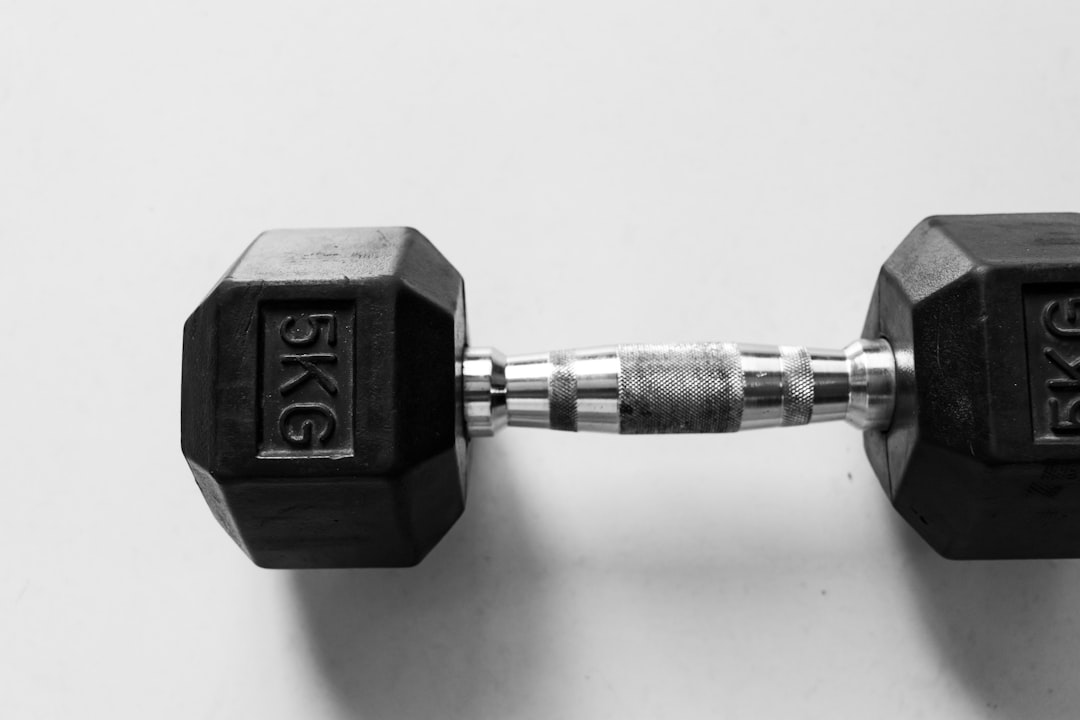
Training while sore is a common concern for beginners starting new workout routines. Understanding when to push through muscle soreness and when to rest is essential for progress and injury prevention. In the UK, official guidelines recommend balancing activity with recovery, especially for those new to fitness. This guide explains how to approach soreness safely, with clear weekly plans, common beginner mistakes, and recovery tips to help you train effectively without setbacks.
What a Good Beginner Plan Actually Looks Like
A solid beginner workout plan is one that builds fitness gradually while respecting the body’s need for recovery. The NHS strength training guidelines recommend performing 2 sessions per week involving major muscle groups, with 1–3 sets of 8–12 controlled repetitions. This approach helps develop strength without overwhelming muscles, reducing the risk of excessive soreness.
Beginners should incorporate a mix of aerobic exercise and strength training, aiming for 150 minutes of moderate activity weekly as advised by the NHS physical activity guidelines for adults. For example, walking briskly for 30 minutes five days a week combined with two strength sessions creates a balanced routine. Proper warm-up and cool-down, including dynamic stretching, help reduce soreness and prepare muscles for effort. For more on fitness guides, see our guide.
Week-by-Week: Your First Four Weeks Laid Out
The first four weeks should focus on building a foundation without causing excessive soreness. Week 1 begins with low-impact aerobic activities such as brisk walking or cycling for 20 minutes, 3 times a week. Strength sessions involve bodyweight exercises like squats, lunges, and push-ups with 1 set of 8 reps.
Week 2 increases aerobic to 25 minutes, 4 times weekly, and strength sessions to 2 sets of 8 reps. Incorporate light resistance bands for added challenge. Week 3 adds a day of aerobic activity and increases strength sets to 3. By Week 4, sessions should include 30 minutes of aerobic exercise 5 days a week plus 2 strength sessions following NHS strength training guidelines.
Maintaining proper technique and pausing or reducing intensity if soreness or pain worsens is crucial. Incorporating rest days between strength sessions allows muscles to recover adequately. If muscle soreness is present but manageable, active recovery like light walking or stretching is preferred.
The Three Things Beginners Get Wrong in the First Month
The three mistakes that slow progress or cause injury for beginners are training through severe soreness, neglecting rest days, and ignoring warm-up and cool-down routines.
Training through severe soreness can increase injury risk and prolong recovery. Sharp or intense pain signals muscle damage, not just soreness. Beginners who skip rest days fail to allow muscles to repair, leading to chronic fatigue and decreased performance. The NHS recommends at least one full rest day weekly.
Skipping warm-up or cool-down phases reduces muscle elasticity and circulation, heightening the chance of strains or joint pain. A proper warm-up raises muscle temperature, boosting performance and reducing soreness. Cool-downs help clear metabolic waste products, aiding recovery.
How to Adjust the Plan When Life Gets in the Way
Adjusting your workout plan when unexpected events occur can prevent loss of progress. Evidence shows that even short bouts of 10 minutes of moderate activity help maintain fitness levels. If soreness is high or time is limited, reduce workout duration or intensity but maintain frequency.
The NHS physical activity guidelines for adults state that any activity is better than none. For example, if a full strength session isn’t possible, perform a single set of 6–8 reps or focus on mobility exercises. Prioritise sleep and nutrition during busy periods, as poor sleep disrupts muscle repair and increases soreness, according to NHS sleep and recovery advice.
Listening to your body and using soreness as a guide is vital. Mild soreness can be worked through with active recovery, but persistent or worsening pain warrants rest. Planning flexible sessions around life’s demands ensures consistency and reduces burnout.
What to Do When Week Four Is Done
After completing four weeks, increase workout intensity systematically. Add resistance or weights to strength workouts, aiming for 3 sets of 10–12 reps as per NHS strength training guidelines. Extend aerobic sessions to 35–40 minutes, incorporating intervals or hill walking to boost cardiovascular fitness.
Set short-term goals such as completing a 5K walk or mastering a new strength move within the next month. Track progress weekly and adjust rest days if soreness increases. Maintaining this balance prevents injury and supports steady improvement. Learn more about the Milo and how it can help you get started.
Frequently Asked Questions
Is it safe to train when sore in the UK?
It is generally safe to train when mildly sore in the UK, as light activity can promote blood flow and recovery. However, severe muscle soreness or sharp pain indicates the need for rest. The NHS physical activity guidelines recommend balancing exercise with adequate recovery to avoid injury.
How long should I wait to train again if I'm sore?
If soreness is mild, training the same muscle groups can continue with reduced intensity after 24 to 48 hours. For severe soreness, wait 72 hours or until pain subsides. The NHS suggests at least one full rest day weekly to support muscle recovery.
What exercises are best when sore?
Low-impact aerobic exercises such as walking, cycling, or swimming are ideal when sore, as they increase circulation without stressing muscles. Gentle stretching and mobility work also aid recovery, aligning with NHS physical activity guidelines.
Can strength training be done when sore?
Strength training can be done when experiencing mild soreness if exercises target different muscle groups or use lighter loads. The NHS strength training guidelines recommend 2 sessions per week with controlled reps and proper rest to minimise soreness.
How does soreness affect workout progress in the UK?
Moderate soreness is a normal part of muscle adaptation and can indicate progress. However, excessive soreness reduces workout quality and increases injury risk. Following UK guidelines for activity and recovery helps maintain consistent progress.
Get started with Milo. Start your 7-day free trial — from £7.99/month.
Disclaimer: This article is for informational purposes only and does not constitute medical, nutritional, or professional fitness advice. Always consult a qualified healthcare professional before making changes to your diet or exercise routine.
Leave a Reply