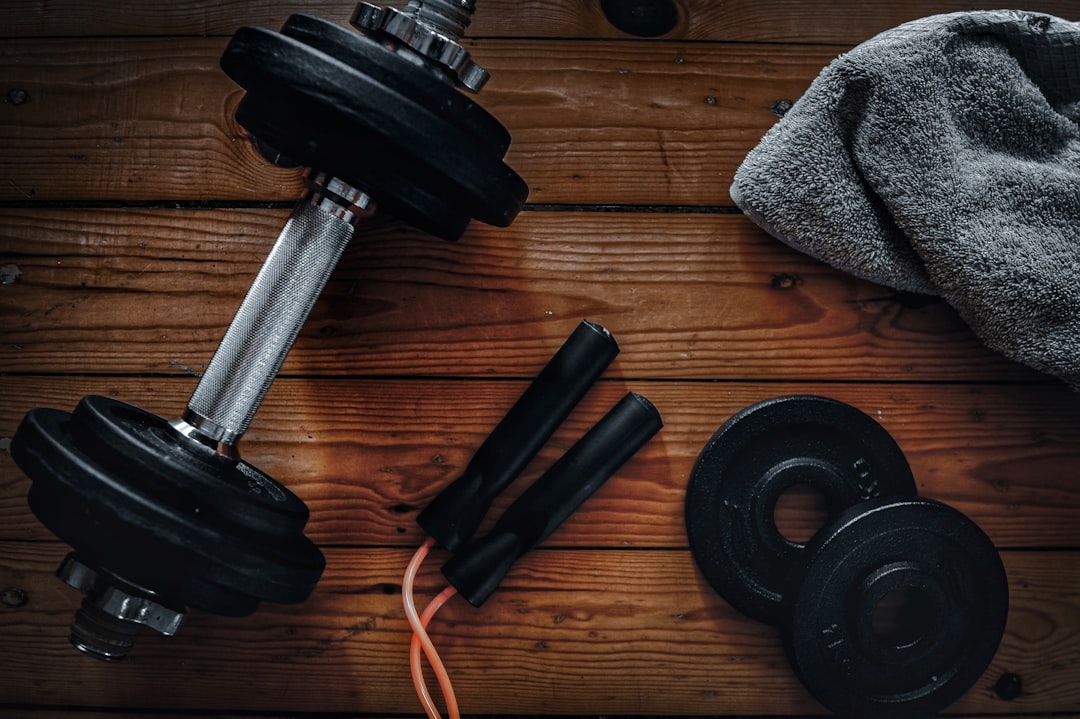
Starting a push pull legs routine in the UK can be confusing with so much conflicting advice. Many beginners fall into the trap of overtraining or ignoring recovery, leading to stalled progress and injury. This guide cuts through myths and offers straightforward, evidence-based guidance on structuring your workouts effectively, aligning with UK health guidelines and real-world experience. Whether aiming to build muscle or improve fitness, this routine is designed to fit the UK lifestyle and gym environment.
The Fitness Advice That's Actually Holding You Back
Push pull legs routine is a workout structure dividing training into three sessions: push (chest, shoulders, triceps), pull (back, biceps), and legs. This split helps distribute workload intelligently across the week, but many beginners fall prey to myths that lead to poor results. One common misconception is that beginners need to train every day intensely, which contradicts the NHS physical activity guidelines recommending strength exercises at least twice weekly with rest days.
Moreover, advice to 'lift as heavy as possible' without mastering form leads to injury, especially among those new to gyms. Sport England Active Lives research shows that fear of injury and confusion about routines discourage many adults from regular exercise. Simplifying workout plans like push pull legs reduces barriers and improves adherence.
Another misleading tip is to focus solely on cardio for weight loss or fitness. Strength training through push pull legs routines offers lasting benefits including increased muscle mass, better metabolism, and joint health, which cardio alone cannot provide. These benefits align with NHS recommendations for physical activity, emphasising muscle strengthening alongside aerobic exercise. For more on beginner workout plans UK, see our guide.
What the Science (and Experience) Actually Says
The push pull legs routine is effective because it organises workouts into muscle groupings that prevent overlap and ensure recovery. A common beginner schedule is three sessions per week: Day 1 push, Day 2 pull, Day 3 legs, followed by rest. Alternatively, repeating the cycle twice weekly with a rest day after the sixth session suits more frequent gym-goers.
In UK gyms such as PureGym or The Gym Group, this routine fits well with flexible access and opening hours. Beginners can use machines and free weights to target each muscle group safely. The NHS strength exercises guide recommends starting with bodyweight and light weights to build technique before progressing.
Nutrition complements training: supermarkets like Tesco and Sainsbury’s offer affordable protein sources and whole foods to support muscle repair and energy. The NHS Eatwell Guide encourages balanced meals rich in protein, complex carbs, and healthy fats, which sustain workout recovery.
This approach is backed by science: separating muscle groups reduces fatigue and injury risk, while allowing focused intensity per session. Consistent application over weeks leads to strength gains and improved body composition without overwhelming the beginner.
If you'd rather not plan this manually, Milo generates your meals and workouts automatically.
Why "Go Hard or Go Home" Is the Worst Advice for Beginners
The 'go hard or go home' mentality leads to three common mistakes that stall progress and increase injury risk. First, overtraining causes burnout and muscle fatigue, often resulting in joint pain or strains. Beginners chasing quick results may train push and pull muscles on consecutive days, ignoring recovery needs.
Second, neglecting form to lift heavier weights compromises safety and reduces effectiveness. This mistake often causes micro-injuries that accumulate, forcing breaks in training routines.
Third, inconsistent workout scheduling, such as skipping rest days or irregular sessions, hampers muscle growth and adaptation. Without consistent stimulus and recovery, beginners may see no gains, leading to frustration and dropout.
These errors contradict the NHS physical activity guidelines, which stress gradual progression and balanced training. Avoiding these pitfalls by adopting a structured push pull legs routine with moderate intensity and rest days yields better long-term results.
The Simple Principles That Actually Work Long-Term
Sustainable progress in fitness comes from consistency, recovery, and balanced effort. Contrary to popular belief, training less frequently but with focus is more effective than daily maximal effort. The NHS recommends strength training two or more days weekly, emphasising rest between sessions for muscle repair.
Push pull legs routines embody this by splitting workouts into muscle-specific days, allowing other groups to recover. According to Mind — exercise and mental health research, regular moderate exercise improves mood and cognitive function, benefits boosted by avoiding overtraining.
Progression should be gradual: increase weights or reps only when control and form are solid. Rest days and sleep are non-negotiable for muscle growth. Nutrition based on the NHS Eatwell Guide supports this process.
This principle-based approach rejects flashy trends and influencer hype, focusing on what works scientifically and practically for UK beginners aiming for lasting fitness.
Milo helps you stay consistent — no spreadsheets, no guesswork.
How to Filter Good Advice from Noise Going Forward
Filter fitness advice by checking for alignment with recognised UK health standards like NHS guidelines and Sport England data. Prioritise routines that balance training frequency, muscle group division, and recovery.
Avoid programmes promising overnight transformations or daily all-out sessions. Seek simple, repeatable plans with clear progression markers. Use short-term goals (e.g., 4-week cycles) to measure progress before adjusting.
Track your workouts and recovery honestly. Consult reliable sources such as NHS strength exercises and Eatwell guides for complementary nutrition and activity advice. Learn more about the Milo and how it can help you get started.
Frequently Asked Questions
What is the best push pull legs routine for beginners in the UK?
The best push pull legs routine for UK beginners involves training three to four times per week, splitting workouts into push, pull, and leg days. This aligns with NHS physical activity guidelines recommending strength training on at least two days weekly, allowing muscle groups to recover between sessions.
How often should UK beginners do push pull legs workouts?
UK beginners should perform push pull legs workouts three to four times a week, ensuring rest days between sessions. This frequency supports muscle recovery and aligns with NHS recommendations of strength training on a minimum of two days per week for adults aged 19 to 64.
Can push pull legs routines help mental health for UK beginners?
Yes, push pull legs routines can improve mental health. According to Mind, regular physical activity, including strength training, helps reduce anxiety and depression symptoms. Structured workouts like push pull legs support consistency, enhancing these mental health benefits.
What are common mistakes beginners make with push pull legs routines in the UK?
Common mistakes include training muscle groups on consecutive days without rest, lifting weights beyond safe limits compromising form, and inconsistent scheduling. These errors increase injury risk and stall progress, contrary to NHS strength exercise advice.
How should UK beginners combine nutrition with push pull legs workouts?
UK beginners should follow balanced nutrition based on the NHS Eatwell Guide, focusing on adequate protein, complex carbohydrates, and healthy fats to support muscle repair and energy. Combining this with push pull legs workouts enhances strength gains and recovery.
Get started with Milo. Start your 7-day free trial — from £7.99/month.
Disclaimer: This article is for informational purposes only and does not constitute medical, nutritional, or professional fitness advice. Always consult a qualified healthcare professional before making changes to your diet or exercise routine.
Leave a Reply