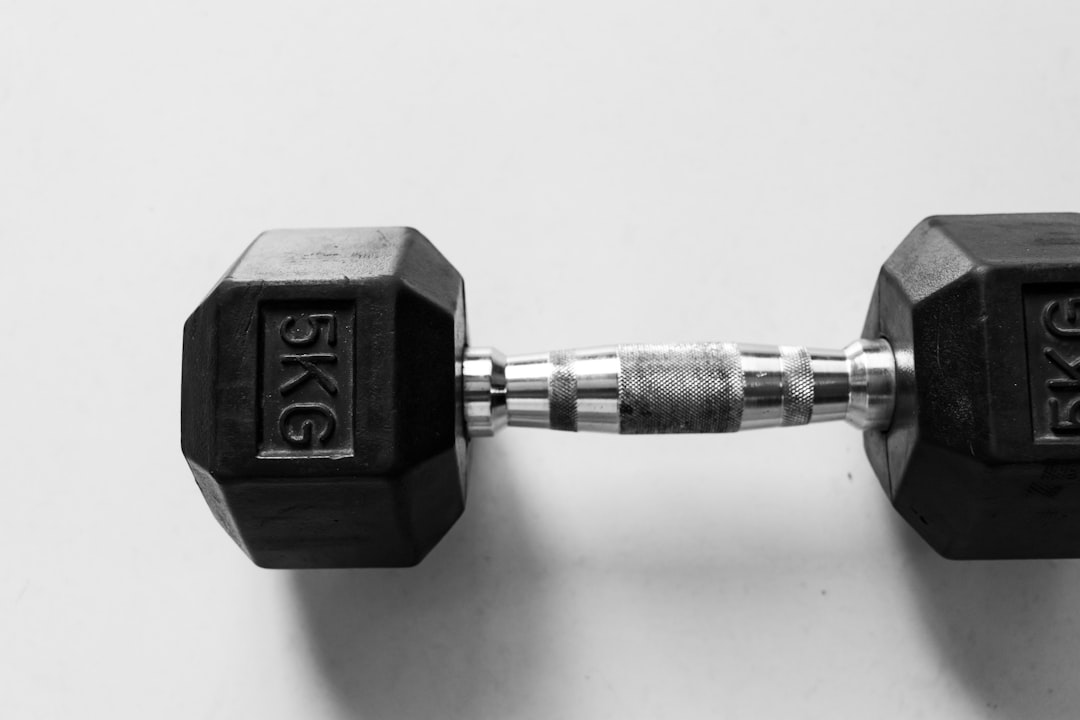
Beginners starting strength training in the UK often wonder whether to use machines or free weights. The choice can feel confusing and intimidating, especially if previous attempts to stay consistent have faltered. Understanding the pros and cons of each approach, as well as how to safely build strength and confidence, is key. This guide breaks down the benefits and challenges of machines versus free weights and offers a practical approach to help beginners start effectively and sustainably. For more on fitness guides, see our guide.
Why Starting Feels So Hard (And Why That's Normal)
Starting strength training is difficult because it involves learning new motor skills and overcoming mental barriers. Strength training is defined by the NHS as exercises that improve muscle strength and endurance through resistance, with at least two sessions weekly recommended for adults aged 19 to 64. The initial discomfort and muscle soreness can discourage many. The NHS mental health and exercise guidance notes that exercise can boost mood and reduce anxiety, but only after overcoming early challenges. For beginners, unfamiliarity with equipment and fear of injury add to the struggle. Understanding this normal phase helps set realistic expectations and reduces frustration as strength and confidence improve gradually.
The Simple System That Actually Works for Beginners
A straightforward system works best: start with machines to master controlled movements, then add free weights to build balanced strength. Begin with two strength sessions per week, focusing on major muscle groups using machines like leg press, chest press, and lat pulldown. Sessions of 30-45 minutes allow enough time for warm-up, exercise, and cool-down. Progress by increasing weight gradually, following the NHS strength training exercises advice. After 4-6 weeks, introduce free weights such as dumbbells and kettlebells, starting with light loads to practice form. Shopping at UK supermarkets like Tesco or Sainsbury's for healthy food supports recovery and energy. Gyms such as PureGym or The Gym Group offer both machines and free weights, making the transition easier. This balanced approach builds confidence and reduces injury risk.
If you'd rather not plan this manually, Milo generates your meals and workouts automatically.
The Mistakes That Keep Most People Stuck
The three mistakes that hinder progress are: 1) Rushing to use free weights without mastering form, leading to injury; 2) Avoiding machines entirely due to stigma, missing out on safe skill-building; 3) Neglecting consistency, which stalls strength gains and motivation. Using free weights too soon often causes poor posture and muscle imbalances. Dismissing machines as 'easy' overlooks their value in teaching controlled movement. Skipping regular sessions ignores the Sport England Active Lives survey finding that less than 30% of adults meet recommended activity levels. Avoiding these traps helps create a sustainable habit and steady improvement.
How to Build Momentum When Motivation Disappears
Momentum fades because motivation alone is unreliable. Instead, building habits through small, manageable goals works better. The Sport England Active Lives survey reports that establishing routine activity increases long-term adherence. Setting fixed workout days, preparing gym clothes in advance, and tracking progress with simple notes or apps help maintain focus. Celebrating small wins like increased reps or weight builds confidence. Mixing machines and free weights keeps sessions engaging and prevents boredom. Reminding yourself that exercise benefits mental health, as highlighted by the NHS mental health and exercise guidance, can sustain commitment during low motivation phases.
Milo helps you stay consistent — no spreadsheets, no guesswork.
Your First Two Weeks: A Realistic Action Plan
Commit to two 40-minute sessions per week using machines only initially. Day 1: warm up with 5 minutes brisk walking, then leg press, chest press, lat pulldown — 3 sets of 10 reps each. Day 4: repeat similar routine with different machines like shoulder press and seated row. Focus on learning correct form and breathing. Rest at least one day between sessions. Keep a simple log of weights and reps. After two weeks, assess comfort and readiness to add light free weights for exercises like goblet squats or dumbbell presses.
Frequently Asked Questions
Should beginners start with machines or free weights in the UK?
Beginners in the UK should start with machines to safely learn proper movement patterns before progressing to free weights. Machines provide controlled resistance and reduce injury risk, helping build confidence. The NHS recommends at least two strength sessions weekly for adults aged 19 to 64.
What are the benefits of using machines for beginners?
Machines help beginners by guiding movements, reducing the chance of poor form and injury. They allow precise control over resistance levels, making it easier to progress gradually. According to NHS strength training advice, machines support learning safe technique before adding complexity.
When can beginners start using free weights safely in the UK?
Beginners can start using free weights safely after 4 to 6 weeks of consistent machine training to build foundational strength and coordination. Starting with light weights and focusing on form is essential. Combining both methods aligns with NHS physical activity guidelines.
Are free weights better than machines for building strength?
Free weights engage more stabiliser muscles and improve functional strength, but are not inherently better for beginners. Machines offer safer control initially. The best approach in the UK is a blend: start with machines, then add free weights to enhance overall strength and balance.
How often should UK beginners do strength training with machines or free weights?
The NHS recommends adults aged 19 to 64 perform strength training exercises at least two days per week. Beginners should start with two sessions focusing on major muscle groups, gradually increasing intensity and incorporating both machines and free weights over time.
Get started with Milo. Start your 7-day free trial — from £7.99/month.
Disclaimer: This article is for informational purposes only and does not constitute medical, nutritional, or professional fitness advice. Always consult a qualified healthcare professional before making changes to your diet or exercise routine.
Leave a Reply