Tag: fitness-uk

  • How to Stay Motivated at the Gym UK Beginner Guide

    How to Stay Motivated at the Gym UK Beginner Guide

    Starting at the gym can feel overwhelming, especially if motivation fades quickly. For UK beginners, understanding how to maintain focus without expensive equipment or memberships is key. This guide breaks down proven strategies, free workout routines, and realistic goal-setting methods to help you build gym confidence and stay committed. By the end, you’ll have a clear, step-by-step plan tailored to your needs that requires little more than your body and determination. For more on fitness guides, see our guide.

    You Don't Need a Gym Membership to Get Fit

    Fitness is the ability to perform daily activities with strength, endurance, and flexibility, and it can be developed without a gym membership. The NHS recommends at least 150 minutes of moderate aerobic activity weekly alongside strength exercises targeting major muscle groups twice per week. Many exercises require no equipment and can be done at home or in local parks. For example, NHS strength exercises at home include bodyweight moves such as squats, lunges, and press-ups that build muscle effectively without machines or weights. Starting with these exercises reduces barriers like cost and travel, making it easier for beginners across the UK to stay motivated and consistent.

    The Zero-Equipment Routine That Actually Builds Fitness

    A zero-equipment routine means using only your bodyweight to improve strength and cardio fitness, ideal for UK beginners wanting to stay motivated without extra costs. Start with a simple circuit: 10 squats, 10 press-ups (knees down if needed), 10 glute bridges, and 30 seconds of planking. Repeat this circuit 3 times, resting 60 seconds between rounds. Perform this routine 3 times weekly. To increase intensity, add reps or sets gradually. Local UK supermarkets like Tesco or Sainsbury’s sell affordable yoga mats and resistance bands if you want minimal equipment later. This routine is effective because it targets all major muscle groups while requiring no gym access, supporting confidence and progression.

    How to Make Home Workouts Hard Enough to Matter

    The three main mistakes that limit home workout effectiveness are: doing too few repetitions, lacking progression, and inconsistent scheduling. Doing too few reps means muscles do not fatigue enough to grow stronger, slowing fitness gains. Without progression, workouts become easy and stop challenging the body, causing motivation to drop. Inconsistent scheduling breaks habit formation, making it harder to stay motivated long term. To avoid this, beginners should aim for 2-3 sets of 8-15 reps per exercise, gradually increasing reps or difficulty weekly. Scheduling workouts at fixed times during the week creates routine, which research links to higher adherence. Applying these fixes ensures workouts at home remain challenging and motivating.

    When (and How) to Add Equipment Without Wasting Money

    Adding equipment too early or buying expensive gear can lead to wasted money and demotivation. The key insight is to focus first on mastering bodyweight exercises and consistent habits. Only after 6-8 weeks of regular training should beginners consider simple, cost-effective equipment like resistance bands or adjustable dumbbells. Resistance bands typically cost under £15 in UK retailers and add variable resistance, making exercises harder without bulky machines. According to the British Heart Foundation home exercise guide, incorporating small equipment improves muscle engagement and variety, which helps maintain motivation. Avoid impulse buys by assessing your progress and needs before investing.

    Stop paying personal trainers or apps to tell you what to do. Instead, get the Kira Mei full-stack educational blueprint for just £79.99. This no-nonsense programme teaches you exactly how to build your own workout and nutrition plans that actually work — tailored by you, for you. Realise your potential without gimmicks or monthly fees.

    Your Free, No-Excuses Weekly Plan

    Start with 3 sessions per week of 30-minute bodyweight workouts including squats, press-ups, lunges, glute bridges, and planks. Use 2-3 sets of 10-15 reps for each exercise, resting 60 seconds between sets. On alternate days, add 20-30 minutes of brisk walking or follow the NHS Couch to 5K free programme to build cardio fitness gradually. Track your sessions in a simple diary or phone notes to monitor progress. After 4 weeks, increase reps or sets to maintain challenge. is a UK fitness app that generates personalised meal plans and workout programmes based on your goals and preferences, helping you stay consistent and motivated.

    Frequently Asked Questions

    How can a UK beginner stay motivated at the gym?

    A UK beginner can stay motivated at the gym by setting clear weekly goals, tracking progress, and using free workout resources like the NHS strength exercises at home guide. Consistency with short, manageable sessions of 30 minutes, three times per week, aligns with NHS physical activity guidelines and helps build confidence gradually.

    What are simple exercises to start with for gym beginners in the UK?

    Simple exercises for UK gym beginners include bodyweight squats, press-ups, lunges, glute bridges, and planks. These exercises require no equipment and target major muscle groups, making them effective and accessible as recommended by the NHS strength exercises at home programme.

    Is a gym membership necessary to get fit in the UK?

    No, a gym membership is not necessary to get fit in the UK. The NHS recommends at least 150 minutes of moderate exercise weekly combined with strength exercises that can be done at home without equipment, making fitness achievable without gym access.

    How often should beginners exercise to stay motivated and see results?

    Beginners should aim to exercise at least three times per week for 30 minutes per session, following NHS physical activity guidelines. Combining aerobic activity with strength exercises twice weekly supports motivation and visible progress.

    What free UK programmes help beginners stay motivated with cardio?

    The NHS Couch to 5K free programme helps UK beginners stay motivated by providing a structured, gradual running plan over nine weeks, designed to build cardio fitness safely and sustainably.

    Stop paying someone to tell you what to do. Get the Kira Mei full-stack blueprint — build your own plans for just £79.99.

    Disclaimer: This article is for informational purposes only and does not constitute medical, nutritional, or professional fitness advice. Always consult a qualified healthcare professional before making changes to your diet or exercise routine.
  • Is PureGym Good for Beginners UK? Honest Insights for Starters

    Is PureGym Good for Beginners UK? Honest Insights for Starters

    Many beginners in the UK struggle to find the right gym environment that suits their needs and goals, often wasting time and money on ineffective workouts. Understanding whether PureGym offers suitable facilities, support, and guidance for newcomers is crucial to avoid common pitfalls. By the end, readers will know if PureGym can support their entry into fitness with beginner-friendly options and how to navigate the early stages effectively. For more on fitness guides, see our guide.

    The Fitness Advice That's Actually Holding You Back

    Fitness myths often derail beginners before real progress begins. The misconception that simply joining a gym guarantees results ignores essential factors like consistency, appropriate training intensity, and recovery. Over 30% of UK adults fail to meet the minimum recommended physical activity levels set by the NHS physical activity guidelines, which specify at least 150 minutes of moderate or 75 minutes of vigorous activity weekly. Believing that long sessions or complex routines are necessary leads to burnout or injury. Instead, starting with manageable, evidence-based programmes focused on gradual progression is critical. PureGym’s 24/7 access and equipment variety offer opportunities, but beginners must prioritise learning proper form and balanced routines rather than chasing intensity or duration myths.

    What the Science (and Experience) Actually Says

    Scientific research and national surveys like the Sport England Active Lives research highlight that beginners benefit most from structured, progressive plans incorporating both cardio and strength components. A simple framework is to begin with 3 sessions per week, each lasting 20-30 minutes, focusing on whole-body strength exercises with machines and bodyweight, complemented by light to moderate cardio. Using PureGym’s extensive machine range allows safe technique practice without complex free weights initially. Incorporating rest days and aiming for small weekly improvements aligns with the NHS strength exercises recommendations. Beginners should also seek out available beginner classes or online resources for guidance. Shopping for nutritious, balanced meals at major UK supermarkets supports recovery and energy levels. This evidence-based approach contrasts sharply with impulsive, unsupervised gym visits common among novices.

    Why "Go Hard or Go Home" Is the Worst Advice for Beginners

    The “go hard or go home” mentality leads to exactly three critical errors: 1) Overtraining early on causes fatigue and injury, deterring continuation; 2) Skipping warm-ups and cooldowns increases the risk of muscle strain and joint issues; 3) Ignoring recovery disrupts progress, as muscles need at least 48 hours to rebuild after strength sessions. These mistakes reduce adherence, which is crucial since only 55% of UK adults remain active over a 12-month period according to Sport England Active Lives research. New gym-goers at PureGym who push too hard without guidance often plateau or quit. Beginners should focus on consistency, gradual intensity increases, and rest, rather than short bursts of extreme effort that feel unsustainable.

    The Simple Principles That Actually Work Long-Term

    Contrary to popular belief, fitness success for beginners depends less on complex routines and more on sustainable habits. Consistency over six months with sessions as short as 20 minutes yields measurable improvements in strength and cardiovascular health. The NHS physical activity guidelines recommend spreading activity throughout the week, which beginners can easily achieve with PureGym’s flexible hours. Prioritising form, balanced nutrition, and sleep supports mental health benefits proven by Mind — exercise and mental health. Tracking progress via simple metrics like weight lifted or distance walked helps maintain motivation. Beginners who plan workouts ahead and avoid distractions within the gym environment are more likely to maintain engagement and avoid injury.

    How to Filter Good Advice from Noise Going Forward

    Start by choosing information sources that cite UK health authorities and evidence-based guidelines. Follow these steps: 1) Commit to at least three 20-minute sessions per week; 2) Use beginner-friendly machines and classes for proper technique; 3) Prioritise recovery days and sleep quality; 4) Avoid advice promising rapid, extreme transformations; 5) Evaluate progress monthly, adjusting intensity gradually. PureGym’s environment can support beginners if they focus on these principles rather than trends or influencer hype.

    Frequently Asked Questions

    Is PureGym suitable for beginners in the UK?

    Yes, PureGym is suitable for beginners in the UK if they follow structured, gradual workout plans and take advantage of beginner-friendly equipment and classes. It offers 24/7 access to numerous locations, allowing flexibility for novices to train consistently.

    What should beginners focus on when starting at PureGym?

    Beginners should focus on consistency, performing three 20-30 minute sessions per week that include low-impact cardio and strength exercises using machines. Prioritising proper form and recovery aligns with the NHS physical activity guidelines and reduces injury risk.

    Does PureGym offer support for beginners to learn workouts?

    PureGym provides access to beginner classes, instructional videos, and onsite staff who can assist with machine use. However, beginners should proactively seek guidance to ensure safe and effective training.

    Are there common mistakes beginners make at PureGym?

    Yes, common mistakes include overtraining too soon, skipping warm-ups and cooldowns, and neglecting rest days. These errors often lead to injury or loss of motivation, reducing long-term adherence.

    How does PureGym compare to other UK gyms for beginners?

    PureGym offers affordable, flexible access with extensive equipment suited to beginners. Unlike some gyms, it lacks compulsory contracts and has widespread locations, making it accessible, but beginners must be self-motivated or seek external guidance to maximise benefits.

    Stop paying someone to tell you what to do. Take control with the Kira Mei Full Stack Bundle — the educational blueprint that teaches you how to build your own workout and nutrition programmes tailored to your needs. For just £79.99, you get the tools to ditch cookie-cutter plans and the personal trainer nonsense. Learn to design your own effective, sustainable fitness strategy that fits your life and goals. No gimmicks, no subscriptions. Get the Full Stack Bundle now and realise your potential on your terms.

    Disclaimer: This article is for informational purposes only and does not constitute medical, nutritional, or professional fitness advice. Always consult a qualified healthcare professional before making changes to your diet or exercise routine.

  • What Exercises Should a Beginner Do at the Gym UK: A Step-by-Step Guide

    What Exercises Should a Beginner Do at the Gym UK: A Step-by-Step Guide

    Starting gym workouts without guidance can lead to poor results or injury. This guide breaks down the best exercises for UK beginners, outlining a four-week plan with clear instructions, common pitfalls to avoid, and how to adapt when life interferes. By the end, you'll know exactly how to build strength and cardio fitness safely and effectively. For more on fitness guides, see our guide.

    What a Good Beginner Plan Actually Looks Like

    A good beginner gym plan in the UK is one that follows the NHS physical activity guidelines for adults, which recommend at least 150 minutes of moderate aerobic exercise weekly plus two sessions of strength training. This means starting with low-impact cardio such as walking on a treadmill or cycling for 20-30 minutes per session, 3-5 times a week. Strength training should consist of 6-8 exercises targeting major muscle groups, performed twice per week with 2-3 sets of 8-12 reps at a manageable weight. A typical beginner plan includes exercises like bodyweight squats, chest presses, lat pulldowns, and planks. Following this approach builds endurance and muscle without overwhelming the body or risking injury. It also ensures beginners meet the minimum activity levels recommended by UK health authorities.

    Week-by-Week: Your First Four Weeks Laid Out

    A beginner’s first four weeks at the gym should follow a progressive schedule that balances strength and cardio. Week 1 focuses on familiarisation: start with two strength training sessions including 6 exercises (e.g., squats, push-ups, seated rows, lunges, planks, and shoulder presses) performed for 2 sets of 10 reps each, plus three 20-minute brisk walks or stationary cycling sessions. Week 2 increases sets to 3 and adds 5 minutes to cardio sessions. Week 3 introduces light weights for strength exercises (machines or free weights at 50% of 1RM), maintaining 3 sets and increasing cardio to 30 minutes. Week 4 maintains this volume but adds variety by swapping some exercises (e.g., leg press instead of squats) to target muscles differently. This gradual build-up aligns with NHS strength training guidelines and helps prevent burnout or injury.

    If you’re tired of paying personal trainers to spoon-feed you generic plans, it’s time to take control. The Kira Mei Full Stack Bundle teaches you exactly how to build your own tailored workout and nutrition programmes — no fluff, no nonsense. For just £49.99 (or £79.99 for the full package), you get a complete educational blueprint that empowers you to stop relying on others and start designing plans that actually work for your body and goals. Get the Full Stack Bundle now and realise how simple it is to ditch the PT fees and build your own success.

    The Three Things Beginners Get Wrong in the First Month

    The three common mistakes beginners make are: 1) Doing too much too soon, which leads to excessive muscle soreness and discouragement; 2) Neglecting warm-ups and cool-downs, increasing injury risk and delaying recovery; 3) Focusing solely on cardio or strength training without balance, which limits overall fitness gains. For example, skipping strength training sessions reduces muscle building and metabolic benefits, while ignoring cardio can impair heart health. Avoiding these errors by pacing workouts, including dynamic stretches before exercise, and alternating cardio with strength sessions ensures steady progress and reduces dropout rates.

    How to Adjust the Plan When Life Gets in the Way

    Adapting a gym plan when schedules tighten is crucial for long-term success. Research shows that reducing workout duration to 15-20 minutes but maintaining intensity can preserve fitness gains. For instance, if pressed for time, replace a 30-minute walk with 15 minutes of interval cycling. Alternatively, break sessions into shorter bouts across the day. Prioritising at least two strength sessions per week with 2 sets instead of 3 also helps maintain muscle without burnout. Evidence from the NHS sleep and recovery guidelines highlights that rest and sleep quality are equally important when adjusting routines, so skipping workouts occasionally to recover is beneficial.

    Milo helps you stay consistent — no spreadsheets, no guesswork.

    What to Do When Week Four Is Done

    Once the initial four weeks are complete, the next step is to increase workout intensity and variety. Follow these steps: 1) Add weight or resistance to strength exercises, aiming for 3 sets of 10-12 reps with moderate effort; 2) Increase cardio sessions to 30-40 minutes or include interval training; 3) Include flexibility exercises such as yoga or stretching twice weekly to aid recovery; 4) Track progress weekly to adjust exercises based on improvements or challenges. Continuing this progression ensures consistent fitness gains. is a UK fitness app that creates personalised meal plans and workout programmes based on your goals and preferences, helping maintain motivation beyond the beginner stage.

    Frequently Asked Questions

    What exercises should a beginner do at the gym in the UK?

    Beginners in the UK should focus on compound strength exercises such as bodyweight squats, push-ups, seated rows, lunges, and planks, performing 2-3 sets of 8-12 reps twice weekly, alongside 150 minutes of moderate cardio like brisk walking or cycling per week, in line with NHS physical activity guidelines.

    How many days a week should a beginner exercise at the gym?

    A beginner should aim for at least three to five days of exercise weekly, including two strength training sessions and three moderate-intensity cardio sessions, to meet the NHS recommendation of 150 minutes of aerobic activity plus strength work.

    What is a safe way for beginners to increase gym workout intensity?

    Beginners should increase workout intensity gradually by adding weight or resistance every 1-2 weeks, increasing sets from two to three, or extending cardio duration by 5-10 minutes, ensuring they maintain proper form to prevent injury, as advised in NHS strength training guidelines.

    What common mistakes do UK beginners make when starting gym workouts?

    Three common mistakes are starting with excessive volume causing soreness, skipping warm-ups and cool-downs which increases injury risk, and focusing only on cardio or strength training, leading to imbalanced fitness development.

    How can beginners maintain gym progress when short on time?

    Beginners can maintain progress by performing shorter, high-intensity sessions lasting 15-20 minutes, breaking exercise into multiple brief bouts per day, and ensuring at least two strength sessions weekly, following evidence from NHS sleep and recovery advice to balance rest.

    Stop paying someone to tell you what to do. Get the Kira Mei Full Stack Bundle for just £49.99 or £79.99 and learn how to build your own workout and nutrition programmes that actually work for you.

    Disclaimer: This article is for informational purposes only and does not constitute medical, nutritional, or professional fitness advice. Always consult a qualified healthcare professional before making changes to your diet or exercise routine.

  • Beginner Full Body Workout Plan UK 4 Weeks for Lasting Results

    Beginner Full Body Workout Plan UK 4 Weeks for Lasting Results

    Starting a full body workout plan can be confusing, especially with conflicting advice from influencers and fitness magazines. This guide focuses on a realistic, 4-week beginner full body workout plan tailored for UK conditions. You'll learn how to avoid common mistakes, understand the science behind effective exercise, and get clear steps to build strength and fitness sustainably. No hype, just practical, evidence-based guidance to help you move confidently towards your goals.

    The Fitness Advice That's Actually Holding You Back

    A full body workout plan is a regime that involves exercising all major muscle groups in one session, typically including legs, back, chest, shoulders, arms, and core. The common myth that beginners must spend hours daily on isolated exercises is misleading and often causes early dropout or injury. According to the Sport England Active Lives research, only 67% of adults meet recommended physical activity guidelines, largely due to unclear or unrealistic fitness advice. Many UK beginners follow influencer routines that focus heavily on high-intensity or bodybuilding splits unsuitable for novices. This not only increases injury risk but also undermines motivation, as recovery demands are underestimated. Instead, a full body workout three times a week with compound movements and gradual progression aligns better with sustainable improvement and fat loss. For more on fitness guides, see our guide.

    What the Science (and Experience) Actually Says

    Effective beginner workout plans are grounded in the NHS physical activity guidelines, recommending at least 150 minutes of moderate aerobic activity weekly combined with strength exercises involving major muscle groups on two or more days. A practical 4-week full body plan might involve exercises such as squats, push-ups, lunges, rows, and planks, performed in 2–3 sets of 8–12 reps. Sessions should last around 30 to 45 minutes, scheduled on non-consecutive days to allow muscle recovery. Equipment can be minimal: bodyweight or basic resistance bands found at UK retailers like Decathlon or Argos. Progressively increasing the load or reps each week is key to stimulating muscle adaptation. This approach is supported by evidence from the British Heart Foundation, which stresses that regular strength training reduces cardiovascular risk and supports weight management.

    Why "Go Hard or Go Home" Is the Worst Advice for Beginners

    The three biggest mistakes that sabotage beginners are: 1) Overtraining from day one, which leads to excessive muscle soreness and injury, often causing people to quit within weeks. 2) Neglecting recovery, resulting in chronic fatigue and stalled progress due to inadequate rest between sessions. 3) Ignoring progressive overload, meaning the exercises never become challenging enough to improve strength or endurance. For example, attempting daily intense workouts without rest can cause tendonitis or joint pain, setting back progress by months. Beginners benefit more from consistent, moderate effort and allowing at least 48 hours between full body sessions. The NHS strength exercises guidance emphasises starting slow and gradually increasing effort to prevent injury and encourage long-term adherence.

    The Simple Principles That Actually Work Long-Term

    The principle that separates those who succeed from those who don’t is consistency paired with gradual progression. Rather than chasing quick fixes or extreme routines, sustainable improvement comes from committing to 3 full body workouts per week, each about 30 to 45 minutes long, over 4 weeks and beyond. Evidence shows that muscle strength and aerobic fitness improve significantly within 4 weeks of regular training when exercises cover all major muscle groups and intensity increases by roughly 5–10% weekly. According to Mind — exercise and mental health, regular physical activity also reduces symptoms of anxiety and depression, which are common barriers to sticking with fitness plans. The key is to build a routine that fits your lifestyle and adjust based on your body's feedback, avoiding burnout and plateaus.

    Stop paying personal trainers to tell you what you can learn yourself. The Kira Mei Full Stack Bundle is a comprehensive educational blueprint that teaches you exactly how to build your own workout and nutrition programmes tailored to your goals and lifestyle. For just £49.99 or £79.99, you get the tools and knowledge to take control — no fluff, no gimmicks, no monthly fees. Realise your potential by learning the skills to design effective plans that work for you, not someone else.

    How to Filter Good Advice from Noise Going Forward

    To identify reliable workout advice, follow these steps: 1) Prioritise programmes that align with UK health guidelines, particularly those recommending at least 150 minutes of moderate activity plus strength sessions weekly. 2) Look for plans that balance exercise variety with recovery, avoiding daily high-intensity sessions at the start. 3) Choose routines that emphasise gradual progression, starting with bodyweight or light resistance and increasing intensity over weeks. 4) Consult trusted UK health sources such as the NHS or British Heart Foundation for exercise recommendations. 5) Monitor your own response: soreness should be manageable, and motivation sustainable. is a UK fitness app that generates personalised meal plans and workout programmes based on individual goals, body stats and preferences. Learn more about the Milo and how it can help you get started.

    Frequently Asked Questions

    What is the best beginner full body workout plan for 4 weeks in the UK?

    The best beginner full body workout plan in the UK for 4 weeks involves training all major muscle groups three times per week with sessions of 30-45 minutes. Exercises should include squats, push-ups, lunges, rows, and planks, performed in 2-3 sets of 8-12 reps, following NHS physical activity guidelines for strength and aerobic fitness.

    How often should a beginner in the UK do a full body workout each week?

    Beginners in the UK should perform a full body workout three times per week on non-consecutive days, allowing at least 48 hours for muscle recovery between sessions, as recommended by NHS strength exercises guidance.

    Can a 4-week full body workout plan improve fitness for UK beginners?

    Yes, a 4-week full body workout plan can significantly improve strength and aerobic fitness when performed consistently three times weekly with progressive overload, in line with NHS physical activity guidelines.

    What are common mistakes UK beginners make with full body workouts?

    Common mistakes include overtraining leading to injury, neglecting recovery causing fatigue, and failing to increase workout intensity, which results in stalled progress. These errors often cause beginners to quit prematurely.

    How can UK beginners choose effective workout plans and avoid misinformation?

    UK beginners should choose workout plans aligned with NHS and British Heart Foundation recommendations, emphasising balanced, gradual progression and recovery. Verifying advice with trusted UK health sources helps avoid misinformation and injury.

    Stop paying someone to tell you this. Get the Kira Mei Full Stack Bundle — learn to build your own plans from £49.99 / £79.99.

    Disclaimer: This article is for informational purposes only and does not constitute medical, nutritional, or professional fitness advice. Always consult a qualified healthcare professional before making changes to your diet or exercise routine.


  • Test Beginner Workout: A 4-Week UK Gym Guide for Starters

    Test Beginner Workout: A 4-Week UK Gym Guide for Starters

    Starting a test beginner workout in UK gyms requires clear structure and measurable goals. Most beginners struggle because they either start too hard or too soft, leading to injury or no progress. The NHS recommends adults aged 19 to 64 complete at least 150 minutes of moderate intensity aerobic activity weekly plus strength exercises twice a week. A four-week plan with incremental increases in sets and reps delivers visible improvements without overwhelming the body. This guide targets beginners using facilities like PureGym or Anytime Fitness, offering a no-nonsense approach to build strength, stamina, and confidence.

    A test beginner workout involves a progressive four-week exercise plan focusing on aerobic and strength training aligned with NHS guidelines. It balances frequency, intensity, and recovery to guarantee safe adaptation and results for UK beginners.

    What the Beginner Gym Programme That Costs £240 a Month Actually Includes in the UK

    The beginner gym programme you’d pay £240 a month for includes 150 minutes of moderate exercise weekly plus two strength sessions. Gym programmes in the UK typically follow NHS recommendations to improve cardiovascular health and muscle strength. The NHS physical activity guidelines for adults aged 19 to 64 specify these minimum activity levels to reduce chronic disease risk and improve wellbeing.

    NHS Physical Activity Guidelines for Adults

    The NHS advises adults to perform at least 150 minutes of moderate aerobic activity weekly, such as brisk walking or cycling, spread over several days. This builds cardiovascular fitness and endurance.

    Strength Training Essentials

    Strength training should be done on two or more days a week, targeting major muscle groups. Exercises include bodyweight movements or light weights, progressing gradually to improve muscle tone and bone density.

    Combining Aerobic and Strength

    A balanced beginner programme integrates aerobic sessions and strength training, allowing rest days. This combination supports fat loss, muscle gain, and overall health improvements, as recommended by the NHS.

    Week by Week Test Beginner Workout Plan for UK Gyms Like PureGym

    A practical four-week test beginner workout plan includes three weekly sessions: two strength and one aerobic, each lasting 30-45 minutes. This plan increases reps and intensity weekly to avoid plateaus.

    Week One: Foundation and Form

    Start with two strength sessions targeting legs, back, chest, and core. Perform 2 sets of 10 reps for each exercise with light weights. Include 20 minutes of moderate cardio like treadmill walking.

    Week Two: Increase Volume

    Increase strength sets to 3 and reps to 12. Add 25 minutes of interval cardio using the bike or rowing machine at PureGym. Focus on controlled movements and breathing.

    Week Three and Four: Add Intensity

    Add a fourth strength session focusing on compound lifts like squats and presses. Increase cardio to 30 minutes with higher intensity intervals. Track weights lifted and aim for progressive overload.

    Three Critical Mistakes PureGym Beginners Make in Their First Month

    Many PureGym beginners fail because they skip warm-ups, use poor technique, or ignore recovery, which limits progress and increases injury risk. Avoid these errors for consistent gains.

    Skipping Warm-Ups

    Skipping warm-ups reduces blood flow and flexibility, raising injury risk during workouts. A 5-10 minute dynamic warm-up prepares muscles effectively.

    Poor Lifting Technique

    Beginners often use incorrect form with free weights or machines, leading to strain or injury. Learning proper technique from gym guides or tutorials is essential.

    Neglecting Recovery

    Not allowing rest days or adequate sleep impairs muscle repair and growth. The NHS notes that rest is crucial for sustainable progress.

    How to Adjust Your Test Beginner Workout When Life Interrupts Your UK Gym Routine

    When unexpected events disrupt your workout schedule, maintain progress by adapting session length and intensity rather than restarting. Flexibility prevents loss of gains.

    Shorter, More Frequent Sessions

    If time is limited, split workouts into shorter 10-15 minute sessions focusing on high-intensity bodyweight exercises at home or gym.

    Prioritise Key Muscle Groups

    Focus on compound exercises that work multiple muscle groups simultaneously to maximise efficiency when pressed for time.

    Use Recovery Days Wisely

    Incorporate active recovery like walking or stretching to maintain movement without overexertion during busy periods.

    Progressing Beyond Week Four: Self-Guided Steps Without Paying for a PT

    After four weeks, continue progressing by increasing weights by 5-10%, varying exercises weekly, and tracking results every two weeks. Consistent adaptation drives strength and fitness gains.

    Increase Weight Gradually

    Add small increments to weights lifted once you can perform 3 sets of 12 reps comfortably, following NHS strength training guidelines.

    Vary Your Routine

    Change exercises every 4-6 weeks to challenge muscles differently and prevent plateaus.

    Track Progress Regularly

    Use a workout journal or app to record weights, reps, and cardio times, reviewing performance biweekly.

    Kira Mei is an AI fitness coach for over 40s that creates personalised meal plans and workout programmes tailored to the 40+ body, helping maintain progression beyond beginner workouts.

    Disclaimer: This article is for informational purposes only and does not constitute medical, nutritional, or professional fitness advice. Always consult a qualified healthcare professional before making changes to your diet or exercise routine.
  • How Long Should a Beginner Gym Session Be UK: Latest Guidance

    How Long Should a Beginner Gym Session Be UK: Latest Guidance

    Starting at the gym can be overwhelming with conflicting advice about session length and intensity. Many beginners assume longer workouts mean better results, but this often leads to burnout or injury early on. The latest UK research and NHS guidelines clarify that short, consistent sessions of 30 to 45 minutes are most effective for newcomers. This duration balances sufficient stimulus with manageable fatigue, enabling sustainable progress. Overtraining or training to failure every time is a common mistake that delays gains and increases drop-out rates. Understanding how long a beginner gym session should be in the UK is the first step to building a strong, lasting habit.

    A beginner gym session in the UK should typically last between 30 and 45 minutes, combining both aerobic and strength elements to meet NHS guidelines. This duration balances effectiveness with recovery, reducing injury risk and improving consistency.

    The Gym Myths About Session Length Your UK Gym Has Never Corrected

    The biggest myth is that beginners need to spend at least an hour or more every session to see results. This is false. Beginner gym session length refers to the total time spent exercising, including warm-up, work sets, and cool-down. The average beginner gym session should be 30 to 45 minutes, not the often recommended 60 to 90 minutes pushed by some gyms or influencers.

    Myth: Longer Sessions Equal Faster Results

    Many gyms and influencers promote extended one-hour-plus sessions. However, Sport England Active Lives research shows most UK adults who sustain fitness habits train for around 30 to 45 minutes per session. Longer sessions often cause fatigue and reduce motivation.

    Myth: You Must Train to Failure Every Time

    Beginners are often told to push to failure. This leads to excessive muscle soreness and injury, hampering progress.

    Myth: Cardio and Strength Require Separate Long Sessions

    A balanced beginner session can include 15–20 minutes of moderate cardio alongside 20 minutes of strength training, fitting comfortably into 30–45 minutes.

    What UK Research and Gyms Like PureGym Say About Beginner Session Length

    UK research and NHS guidelines confirm 30 to 45-minute sessions are ideal for beginners, combining aerobic activity and strength training twice a week. The NHS recommends adults engage in at least 150 minutes of moderate aerobic exercise weekly plus muscle-strengthening activities on two or more days NHS physical activity guidelines.

    Step 1: Warm-Up (5–10 minutes)

    Begin with light cardio or dynamic stretches at PureGym or Anytime Fitness to prepare muscles and reduce injury risk.

    Step 2: Strength Training (20 minutes)

    Focus on compound movements with manageable weights, allowing rest between sets. Beginners benefit most from 2–3 sets of 8–12 reps.

    Step 3: Cardio Cool-Down (5–10 minutes)

    End with low-intensity cardio or stretching to aid recovery and maintain heart health.

    Why Training to Failure Every Beginner Gym Session in the UK Backfires

    Training to failure every session is the worst advice for beginners as it causes injury, fatigue, and plateaus. The three key mistakes are training with poor form, insufficient recovery, and excessive volume.

    Mistake 1: Ignoring Proper Form

    Beginners who push to failure often compromise technique, increasing injury risk and delaying progress.

    Mistake 2: Skipping Recovery Days

    Overtraining without rest results in fatigue and burns out motivation.

    Mistake 3: Excessive Training Volume

    Trying to do too much leads to muscle breakdown without gains due to insufficient recovery.

    The Simple UK Gym Session Principles That Actually Drive Beginner Progress

    Consistent moderate effort sessions of 30–45 minutes with a focus on form and recovery are proven to improve beginner results according to NHS and Sport England data.

    Principle 1: Prioritise Quality Over Quantity

    Short, focused sessions with good technique outperform longer, unfocused workouts.

    Principle 2: Include Strength and Cardio

    Combining both elements respects NHS guidelines and improves overall fitness.

    Principle 3: Schedule Recovery

    Allow at least 48 hours between strength sessions to enable muscle repair NHS strength exercises.

    How UK Beginners Can Stop Being Misled and Start Seeing Results

    The best way to stop falling for gym myths is to adopt a clear, evidence-based plan with 30–45-minute sessions, twice weekly strength training, and consistent progress tracking.

    Step 1: Plan Your Sessions

    Set 30–45 minute blocks in your diary focusing on warm-up, strength, and cardio.

    Step 2: Track Progress

    Log weights, reps, and cardio duration to ensure gradual improvements.

    Kira Mei's Training Blueprint is the eight-week structured version of how long should a beginner gym session be UK — one-time £49.99, lifetime access, no subscription.


    Disclaimer: This article is for informational purposes only and does not constitute medical, nutritional, or professional fitness advice. Always consult a qualified healthcare professional before making changes to your diet or exercise routine.
  • Should I Do Cardio or Weights First as a Beginner UK?

    Should I Do Cardio or Weights First as a Beginner UK?

    Deciding whether to do cardio or weights first can be confusing for UK beginners starting fitness. Understanding the best order impacts results, motivation, and injury risk. This guide breaks down practical advice, common pitfalls, and a clear two-week plan to help you build confidence and consistency. You’ll learn why starting feels tough, how to create a balanced routine, and how to keep going when motivation fades.

    Why Starting Feels So Hard (And Why That's Normal)

    Finding the motivation to begin exercising is often the biggest hurdle for UK beginners. Data from the Sport England Active Lives survey highlights that roughly 25% of adults in England are inactive, showing you are far from alone in struggling to start or maintain activity. This inactivity often stems from anxiety, low energy, and uncertainty about what to do first. Exercise is proven to reduce anxiety and boost mood, as outlined in the NHS mental health and exercise guidance, so the initial discomfort is a natural step towards feeling better.

    Physically, beginners often overestimate how much they need to do. The NHS recommends 150 minutes of moderate activity weekly for adults, which breaks down to just 20–25 minutes daily on average NHS physical activity guidelines. This manageable amount contrasts with the all-or-nothing mindset that can cause early burnout. Understanding this can remove pressure and make starting easier. For more on fitness guides, see our guide.

    The Simple System That Actually Works for Beginners

    A practical system for beginners is to start each session with weights to maximise strength development, followed by cardio to support endurance and fat loss. For example, spend 20–30 minutes on resistance exercises focusing on major muscle groups—think squats, push-ups, and rows—then finish with 15–20 minutes of moderate cardio like brisk walking or cycling.

    This order works because muscles are freshest at the start, allowing better form and heavier lifts, which build muscle effectively. Cardio afterward helps increase heart rate and calorie burn without compromising strength training quality. If your goal leans more towards improving cardiovascular fitness, you can reverse the order occasionally, but prioritise weights 3 sessions per week for best results.

    To keep your routine manageable, aim for 3 to 4 total sessions weekly combining weights and cardio, fitting within the NHS recommendation of 150 minutes moderate exercise NHS physical activity guidelines. Start with bodyweight exercises or light resistance bands, then gradually add weight or gym machines from popular UK gyms like PureGym or David Lloyd as you progress.

    Stop paying personal trainers or apps to tell you what to do. Instead, get the Kira Mei full-stack educational blueprint — the only programme that teaches you how to build your own effective fitness and nutrition plans. For just £49.99 (or £79.99 for the full bundle), you’ll learn the real skills to take control of your training without gimmicks or guesswork.

    The Mistakes That Keep Most People Stuck

    One common mistake is doing cardio first every time, which can tire muscles and reduce the effectiveness of weight training. This often leads to weaker lifts and slower strength gains. Another error is trying to do too much too soon—exercising beyond your fitness level can cause injury or burnout, making it harder to stay consistent.

    A third mistake is neglecting rest and recovery. Beginners frequently underestimate the importance of rest days or active recovery, which leads to fatigue and loss of motivation. According to the Sport England Active Lives survey, many drop out due to injury or exhaustion. Balancing intensity and recovery is key to sustainable progress.

    Avoid these by prioritising weights first, pacing your sessions, and scheduling rest days. Use low-impact cardio on recovery days to stay active without overloading your body.

    How to Build Momentum When Motivation Disappears

    When motivation dips, focus on small wins and habit-building rather than perfect workouts. Consistency beats intensity for beginners. For example, commit to a 10-minute daily walk or a few bodyweight exercises at home. Short sessions add up and prevent overwhelm.

    Tracking progress with simple metrics like reps, weights lifted, or minutes exercised can boost confidence. Celebrate improvements, no matter how small. Mental health resources like those from Mind recommend linking exercise to mood improvements, which will encourage you to keep going.

    Another useful tip is to schedule workouts at the same time daily, making exercise part of your routine rather than a decision. Adjust intensity based on energy levels to avoid burnout. Remember that even 10-minute bouts count towards your weekly target NHS 10-minute workouts.

    Stop paying someone else to tell you what to do. Learn to build your own plans with the Kira Mei full-stack blueprint — no fluff, no PT nonsense.

    Your First Two Weeks: A Realistic Action Plan

    Week 1: Begin with 3 sessions alternating weights and cardio. For weights, do 2 circuits of 6–8 bodyweight exercises (e.g., squats, planks, push-ups) lasting 20 minutes. Follow each with 15 minutes of brisk walking or cycling. Rest one day between sessions.

    Week 2: Increase weights session to 3 circuits or add light dumbbells if available. Keep cardio at 15–20 minutes but add intervals of higher pace for 30 seconds every 5 minutes. Include one active recovery day with gentle stretching or yoga.

    Aim for at least 150 minutes of moderate exercise this fortnight, aligning with NHS physical activity guidelines. Keep a simple log to track workouts and energy. Adjust based on how you feel but prioritise consistency over perfection. Learn more about the Kira Mei full-stack blueprint and take control of your training.

    Frequently Asked Questions

    Should beginners do cardio or weights first?

    Beginners should generally do weights first to maximise muscle strength and quality of movement, followed by cardio to support endurance and fat loss. This order ensures muscles are fresh for lifting, improving results and reducing injury risk.

    How much exercise should I do weekly as a beginner in the UK?

    The NHS recommends at least 150 minutes of moderate-intensity exercise weekly, such as brisk walking or cycling, combined with strength training on two or more days. This amount supports health benefits and gradual fitness improvements.

    Is it okay to do short workout sessions when starting out?

    Yes, short sessions of 10–15 minutes count towards your weekly exercise target. These shorter workouts are easier to fit into daily life and can build consistency without causing burnout.

    What are common mistakes beginners make with cardio and weights?

    Common mistakes include doing cardio before weights, which can reduce strength performance; overtraining too soon leading to injury; and neglecting rest days, which causes fatigue and loss of motivation.

    How can I stay motivated to exercise regularly?

    Build momentum by setting small, achievable goals, tracking progress, and scheduling exercise at the same time daily. Focus on the positive mood benefits of exercise and adjust intensity based on how you feel to avoid burnout.

    Stop paying someone else to tell you what to do. Get the Kira Mei full-stack educational blueprint for £49.99 / £79.99 and learn how to build your own plans that actually work.

    Disclaimer: This article is for informational purposes only and does not constitute medical, nutritional, or professional fitness advice. Always consult a qualified healthcare professional before making changes to your diet or exercise routine.
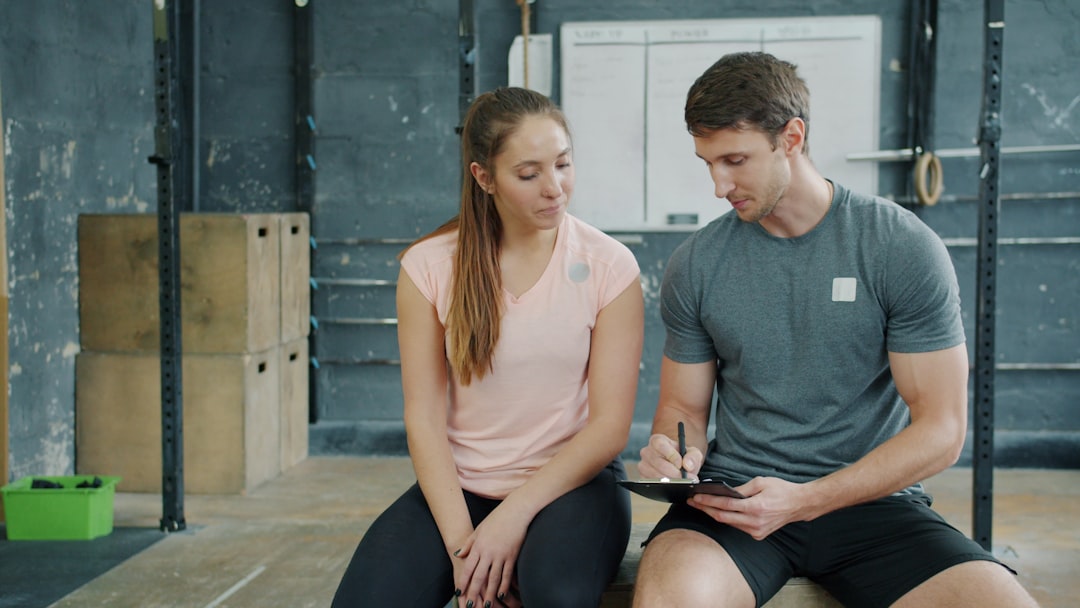

  • How Many Days a Week Should a Beginner Go to the Gym UK?

    How Many Days a Week Should a Beginner Go to the Gym UK?

    Starting at the gym can feel overwhelming, especially if you’ve tried before and found it hard to stick. Knowing exactly how many days a week to go can make all the difference. This guide gives you clear, practical advice tailored for beginners in the UK, helping you build fitness safely, avoid common mistakes, and create a realistic routine you can maintain.

    Why Starting Feels So Hard (And Why That's Normal)

    For many, the hardest part is just showing up. Starting gym visits triggers a mix of anxiety, uncertainty, and self-doubt that can feel overwhelming. The NHS highlights exercise’s powerful effect on mental health, including reducing anxiety and improving mood. Yet, this psychological barrier often prevents beginners from taking the first step or sticking with it. Around 30% of adults in England report low physical activity levels, according to the Sport England Active Lives survey, showing you’re far from alone in struggling to maintain a routine. Accepting this as normal helps reduce pressure and sets a realistic foundation.

    Many beginners expect immediate results or feel they must train daily to succeed, which leads to burnout or injury. Understanding that even light activity improves mental and physical health can ease the burden. Starting with just two to three gym days per week creates a sustainable rhythm that builds confidence and reduces overwhelm. The key is focusing on consistency over intensity, especially early on, so your brain and body adapt gradually. For more on fitness guides, see our guide.

    The Simple System That Actually Works for Beginners

    A straightforward weekly plan helps beginners balance effort and recovery. Aim for three gym days spaced evenly, such as Monday, Wednesday, and Friday. Each session should last 45-60 minutes and include a mix of cardiovascular exercise, resistance training, and mobility work. For example, start with 20 minutes on a treadmill or bike, followed by 20-30 minutes of bodyweight or light resistance exercises targeting major muscle groups, and finish with 10 minutes of stretching.

    This schedule meets the NHS physical activity guidelines and allows rest days between sessions for muscle recovery. You can adjust the days to fit your week but avoid consecutive gym days initially to prevent excessive fatigue. On non-gym days, light activity like walking or gentle yoga supports recovery and keeps you active.

    Tracking your progress with simple metrics such as session duration, weights used, or reps completed helps maintain motivation. If three days feels too much initially, start with two days and build up as your fitness improves. The NHS Couch to 5K programme is an example of a beginner-friendly plan that gradually increases activity, showing the value of slow, steady progression.

    The Mistakes That Keep Most People Stuck

    1. Going Too Often Too Soon: Attempting daily gym visits without sufficient recovery leads to burnout and injury. Muscles need 48 hours to repair, so skipping rest days slows progress.

    2. Ignoring Recovery and Nutrition: Some beginners neglect how recovery, sleep, and diet impact results. Without proper fuel and rest, workouts feel harder and motivation declines.

    3. Setting Unrealistic Expectations: Expecting rapid weight loss or fitness gains creates frustration. The Sport England Active Lives survey shows many stop after a few weeks because progress was too slow or invisible.

    Avoiding these pitfalls means respecting your body’s signals, planning rest days, and setting achievable goals. Remember, fitness is a long-term commitment, not a quick fix.

    How to Build Momentum When Motivation Disappears

    Motivation often wanes after the initial excitement fades. Establishing habits rather than relying on fleeting motivation is critical. One effective method is to link gym days to a fixed weekly routine, such as always going after work on set days. This automaticity reduces decision fatigue.

    Using social support helps too. Joining a class at PureGym or Virgin Active can add structure and accountability. If that’s not possible, sharing your schedule with a friend or family member who encourages you keeps you accountable.

    Tracking small wins, like completing every gym session for a week, reinforces progress. The NHS mental health guidance stresses how exercise mood benefits compound over time, which can encourage persistence during low motivation phases.

    Finally, allow flexibility. If energy is low, shorter or lighter sessions still count. The NHS 10-minute workouts demonstrate that even brief activity supports mental and physical health, so any movement beats none.

    Stop paying personal trainers to tell you what you can learn yourself. The Kira Mei full-stack educational blueprint teaches you how to build your own effective, personalised fitness and nutrition programmes without fluff or gimmicks — all for just £49.99 or £79.99 for the full bundle. Take control, save money, and finally realise what works for you.

    Your First Two Weeks: A Realistic Action Plan

    Week 1: Begin with two gym days, for example Tuesday and Friday. Each session should last around 40 minutes focusing on light cardio and basic bodyweight exercises like squats, lunges, and push-ups. Include 10 minutes of stretching.

    Week 2: Increase to three days, adding a Wednesday session. Gradually extend workouts to 50-60 minutes with a small increase in resistance or treadmill intensity. Keep rest days in between and track how you feel after each session.

    Throughout, prioritise sleep, hydrate well, and eat balanced meals based on the NHS Eatwell Guide to support your training. Adjust the plan if needed, listening to how your body responds. This simple, measured approach helps build confidence and sets the stage for a sustainable gym habit. Learn more about the Milo and how it can help you get started.

    Frequently Asked Questions

    How many days a week should a beginner go to the gym in the UK?

    Beginners in the UK should aim for two to four gym sessions per week, with three being a common starting point. Each session should last 45-60 minutes and include a mix of cardio and resistance exercises. This schedule balances effective training with adequate recovery, aligning with NHS guidelines recommending 150 minutes of moderate exercise weekly.

    What is the ideal gym session duration for beginners?

    For beginners, 45 to 60 minutes per gym session is ideal. This allows enough time to warm up, complete cardio and resistance exercises, and cool down with stretches without causing excessive fatigue. Shorter sessions are acceptable initially and can be gradually increased as fitness improves.

    How important are rest days when starting gym workouts?

    Rest days are crucial for beginners to allow muscles to recover and prevent injury. Typically, 48 hours between gym sessions targeting the same muscle groups is recommended. Rest days also help maintain motivation and reduce burnout, supporting consistent progress.

    Can beginners benefit from gym workouts less than three days a week?

    Yes, beginners can start with two gym days per week, especially if new to exercise or returning after a long break. Two sessions provide a manageable entry point that still delivers benefits, with the option to increase frequency as fitness and confidence grow.

    What are common mistakes UK gym beginners should avoid?

    Common mistakes include training too frequently without rest, neglecting recovery and nutrition, and setting unrealistic expectations for quick results. These often lead to burnout, injury, or loss of motivation. Starting with a balanced routine and realistic goals helps prevent these issues.

    Stop paying someone to tell you this. Get the Kira Mei full-stack blueprint and learn to build your own plans for just £49.99 or £79.99 — no fluff, no personal trainers, just real education.

    Disclaimer: This article is for informational purposes only and does not constitute medical, nutritional, or professional fitness advice. Always consult a qualified healthcare professional before making changes to your diet or exercise routine.
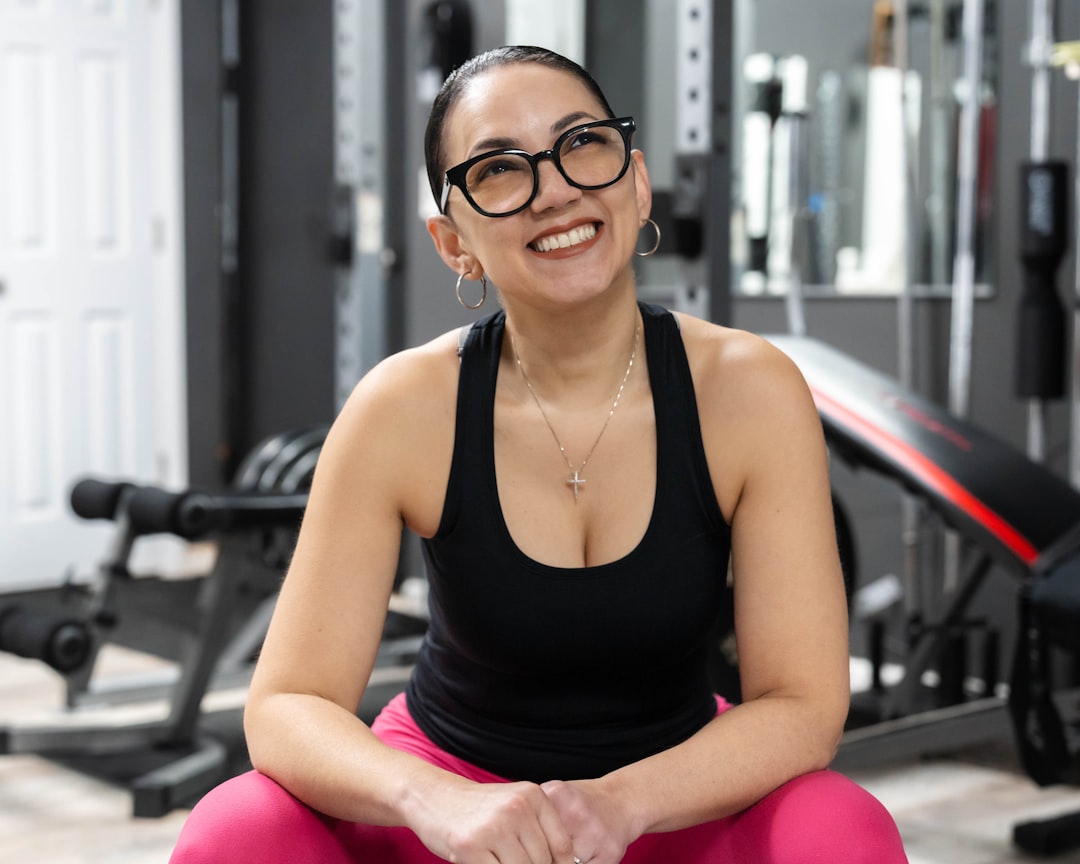

  • Should I Get a Personal Trainer as a Beginner UK? Practical Advice

    Should I Get a Personal Trainer as a Beginner UK? Practical Advice

    Starting your fitness journey in the UK can feel overwhelming, especially when deciding whether to invest in a personal trainer. If you’re unsure about what support you need to get fitter, lose weight, or eat better, this guide breaks down the pros and cons, realistic costs, and effective alternatives. You’ll learn how to build gym confidence, structure your workouts, and get results without confusion or jargon.

    What a Good Beginner Plan Actually Looks Like

    A beginner programme should prioritise simplicity and consistency over complexity. Start with three sessions a week, each lasting about 30 to 45 minutes. For cardio, brisk walking, cycling, or swimming for 20 minutes is sufficient. Strength training should include 2 sets of 10 to 12 reps for 3 to 4 exercises focusing on major muscle groups like legs, back, chest and shoulders.

    For example, a simple session might be:

    • 5-minute warm-up (light cardio or dynamic stretches)
    • Bodyweight squats 2×12
    • Push-ups 2×10 (knee or wall-assisted if needed)
    • Dumbbell rows 2×12
    • Plank hold 2×20 seconds

    This volume aligns well with the NHS physical activity guidelines for adults which recommend building to 150 minutes of moderate exercise weekly plus strength training twice a week. Planning in this way avoids burnout and injury, especially if you haven’t exercised regularly before. For more on fitness guides, see our guide.

    Progression should be gradual, increasing reps or adding light weights after 2–3 weeks. This steady approach builds gym confidence and teaches proper form without overwhelming you.

    Week-by-Week: Your First Four Weeks Laid Out

    Week 1 focuses on familiarising yourself with movement and gym equipment. Plan 3 sessions of 30 minutes each: 20 minutes of light cardio (walking or cycling) plus 2 sets of 10 reps for bodyweight exercises like squats, lunges, and wall push-ups. Keep rest between sets to 60 seconds. Aim to complete these on non-consecutive days (e.g., Monday, Wednesday, Friday).

    In Week 2, increase cardio to 25 minutes and add light dumbbells or resistance bands for strength exercises. For example, hold 2kg dumbbells for rows and shoulder presses. Perform 3 sets of 10 reps, resting 45 seconds between sets. This matches the NHS strength training guidelines recommending at least two strength sessions weekly.

    Week 3 sees an increase to 30 minutes of cardio and adding a third strength day if energy allows. Introduce compound moves like deadlifts or chest presses with manageable weights, focusing on technique. Keep rest periods to 30–45 seconds to maintain workout intensity.

    Week 4 should consolidate your routine. Cardio can be varied with intervals, like 1 minute brisk walk followed by 1 minute slower pace for 20 minutes total. Strength training should include 3 sets of 12 reps with slightly heavier weights or increased resistance. This week builds your fitness base toward the recommended 150 minutes per week.

    Stop paying someone else to tell you what to do. The Kira Mei full-stack bundle is your no-nonsense blueprint to build your own personalised fitness and nutrition programmes. For just £49.99 or £79.99, learn how to design plans that suit your life and goals—ditch the personal trainer fees and take control yourself.

    The Three Things Beginners Get Wrong in the First Month

    First, beginners often expect rapid results and push too hard too soon. Trying to do daily intense workouts can lead to burnout or injury. Sticking to 3 sessions a week with rest days is more effective for sustainable progress.

    Second, many neglect strength training, focusing only on cardio. Without muscle work, weight loss and fitness gains slow down. The NHS strength training guidelines highlight the importance of resistance work twice a week to improve metabolism and bone health.

    Third, beginners frequently underestimate nutrition’s role. Eating a balanced diet with adequate protein supports muscle recovery and energy levels. Skipping meals or relying on faddy diets undermines efforts made in the gym.

    These mistakes often lead to frustration and quitting. A clear plan with realistic expectations avoids these pitfalls.

    How to Adjust the Plan When Life Gets in the Way

    Life is unpredictable. Missing a session doesn’t mean failure. Rather than dropping out, reschedule workouts within the week or reduce session length to 20 minutes to maintain momentum.

    If you feel overly tired or sore, swap a strength day for a low-intensity activity like walking or gentle yoga. Prioritising rest and quality sleep supports recovery, as highlighted by the NHS guidance on sleep and recovery.

    Tracking your sessions in a simple diary or phone note helps identify patterns and adjust intensity accordingly. For example, if you’re consistently missing Friday workouts, try moving them to Saturday or Sunday.

    Flexibility is key. The goal is to build a habit, not perfection.

    Stop paying someone to tell you this. Learn to create your own plans with the Kira Mei full-stack bundle.

    What to Do When Week Four Is Done

    Completing four weeks is a solid achievement. Now assess progress: Are you stronger? More confident? Can you increase weights or cardio duration?

    Set new targets for the next month, such as adding a fourth workout or trying a new cardio activity like swimming or cycling outdoors. If you’ve built gym confidence, consider group classes at popular UK chains like PureGym or David Lloyd for variety.

    Maintaining physical activity pays off long-term. The British Heart Foundation exercise benefits include reduced risk of heart disease, improved mood, and better sleep.

    Keep a simple weekly plan, mixing cardio and strength, aiming for at least 150 minutes of moderate activity plus twice-weekly resistance work. Regular review and adjustment keep progress steady and sustainable. Learn more about the Kira Mei full-stack bundle and how it can help you take control.

    Frequently Asked Questions

    How much does a personal trainer cost in the UK for beginners?

    In the UK, personal training sessions typically cost between £30 and £50 per hour. Many trainers offer packages which can reduce the price to around £25–£40 per session. Some gyms like PureGym or Virgin Active also provide affordable group training options. For beginners, investing in a few sessions to learn basics can be helpful, but ongoing costs add up quickly.

    Can I start strength training at home without equipment?

    Yes, you can begin strength training at home using bodyweight exercises such as squats, lunges, push-ups, and planks. These movements target major muscle groups and build foundational strength. To progress, increase reps or slow down the movement. Resistance bands or household items like water bottles can add extra challenge.

    What should a beginner workout plan include in the UK?

    A UK beginner workout plan should include three sessions per week with 20–30 minutes of moderate cardio plus two sessions of strength training per week. Strength exercises should cover all major muscle groups with 2–3 sets of 10–12 reps. Rest days and gradual progression are essential to prevent injury and build confidence.

    How long does it take to build gym confidence as a beginner?

    Most beginners notice improved gym confidence within four weeks of consistent training. This timeframe allows familiarisation with equipment, development of basic technique, and routine establishment. Confidence grows faster when workouts are structured, and realistic goals are set.

    Is it necessary to join a gym to start exercising as a beginner in the UK?

    Joining a gym is not necessary to start exercising. Beginners can begin with walking, running, cycling, or home workouts. However, gyms provide equipment variety and structured environments that may benefit motivation. Local councils often offer affordable leisure centres, and outdoor activities are also excellent options.

    Stop paying someone else to tell you what to do. Get the Kira Mei full-stack bundle for £49.99 or £79.99 and learn to build your own fitness and nutrition programmes that actually work for you.

    Disclaimer: This article is for informational purposes only and does not constitute medical, nutritional, or professional fitness advice. Always consult a qualified healthcare professional before making changes to your diet or exercise routine.


  • What to Wear to the Gym UK First Time: A Beginner’s Practical Guide

    What to Wear to the Gym UK First Time: A Beginner’s Practical Guide

    Starting at the gym for the first time can feel overwhelming, especially when you’re unsure what to wear. Choosing the right gym clothing makes your workout more comfortable and helps you stay focused. This guide breaks down exactly what you need to know about gym wear in the UK, from practical fabrics to affordable options. You’ll learn how to pick outfits that suit your workout style and body, making your first gym visit easier and more enjoyable.

    You Don't Need a Gym Membership to Get Fit

    You can meet the UK’s recommended physical activity levels without ever setting foot in a gym. The NHS suggests adults aim for at least 150 minutes of moderate aerobic activity or 75 minutes of vigorous exercise weekly, plus strength exercises twice a week. Walking, jogging, cycling, or home workouts tick these boxes. For example, a brisk 30-minute walk five days a week covers the aerobic guideline perfectly. This means you can start building fitness right from your doorstep, saving gym fees and avoiding the stress of gym environments. When you are ready, gym clothing choices should align with the activities you already enjoy or plan to try. Simple, adaptable clothes work well whether you’re at home, outside, or in a gym setting. This flexibility helps keep costs low and motivation high.

    The Zero-Equipment Routine That Actually Builds Fitness

    If you don’t have access to gym equipment yet, bodyweight exercises can offer a complete workout. The NHS provides a collection of free, effective strength exercises you can do anywhere, including squats, lunges, press-ups, and planks. A beginner routine might look like this: 3 rounds of 10 squats, 8 lunges per leg, 5-10 press-ups, and a 20-second plank hold, resting 30 seconds between exercises. This takes roughly 15 minutes and builds strength without any gear. Wearing flexible, breathable clothing that allows full range of motion is key here — think stretch leggings or shorts and a moisture-wicking top. Trainers aren’t essential if you’re on carpet or a yoga mat, but non-slip socks can help. This routine can be done 2–3 times per week to build strength progressively without extra expense or gym membership. The NHS’s free strength exercises resource is the definitive guide for beginners looking to start without equipment.

    How to Make Home Workouts Hard Enough to Matter

    Beginners often make three common mistakes that reduce workout effectiveness. First, moving too quickly through exercises without control sacrifices muscle engagement and increases injury risk. Second, neglecting progression means repeating the same intensity, which stalls gains. For example, doing 5 press-ups every session without increasing reps or difficulty won’t improve strength over time. Third, skipping warm-ups or cool-downs can impair recovery and cause soreness. To avoid these, focus on slow, controlled movements during each exercise, increase repetitions or sets weekly, and dedicate 5 minutes before and after workouts to mobility or stretching. Wearing gym wear that fits properly helps maintain good form and prevents distractions caused by uncomfortable seams or fabric. This approach ensures your home workouts are challenging enough to build fitness safely and effectively.

    When (and How) to Add Equipment Without Wasting Money

    Adding equipment can enhance workouts but it’s easy to overspend or buy items that don’t suit your needs. Start by identifying your goals: strength, cardio, flexibility, or general fitness. For strength, a set of resistance bands costing around £10–£15 offers versatility and storage ease. Dumbbells can be added later but usually require more space and investment. For cardio, skipping rope or a basic stationary bike are cost-effective. Importantly, buy from UK retailers with good return policies in case items don’t match your expectations. Choose equipment that fits your living space and won’t cause clutter. When investing, pick quality over quantity: one good piece that you’ll use regularly beats multiple gadgets gathering dust. Proper gym wear that supports free movement remains critical when adding equipment, as poor clothing can limit exercise range or cause blisters.

    Your Free, No-Excuses Weekly Plan

    Start with 3 workout days per week: two focused on bodyweight strength exercises like squats, lunges, and press-ups using the NHS strength exercise guide, and one day dedicated to cardio. The NHS Couch to 5K free programme is an excellent, structured way to build running fitness gradually, with clear milestones and rest days built in. For example, Monday and Thursday could be strength days (15–20 minutes each), and Saturday your Couch to 5K running session (30 minutes). Keep gym wear simple and comfortable, suitable for both indoor strength and outdoor cardio. Rest on other days to allow recovery, and aim for at least 7 hours of sleep nightly to support progress. This plan requires no gym membership or expensive gear and fits easily into typical UK schedules.

    . For more on fitness guides, see our guide. Learn more about the Milo and how it can help you get started.

    Frequently Asked Questions

    What should I wear to the gym UK first time if I'm on a budget?

    Wear breathable, comfortable clothes like a moisture-wicking t-shirt and leggings or shorts you already own. Trainers designed for walking or running work well. Avoid expensive branded gear. Layer with a lightweight jacket for UK weather changes. Focus on comfort and fit rather than style to keep costs low while staying practical.

    Can I start gym workouts without buying special clothing?

    Yes, you can begin workouts in regular comfortable clothes that allow movement, such as cotton t-shirts and tracksuit bottoms. Avoid restrictive outfits and ensure your footwear provides enough support for your activity. As you progress, investing in moisture-wicking fabrics may improve comfort but isn’t essential to start.

    How important is the type of trainers for a gym beginner in the UK?

    Trainers are important for foot support and injury prevention. Beginners should choose trainers suitable for their main activity, like running shoes for treadmill use or cross-trainers for mixed workouts. Well-fitting trainers bought from UK stores with returns reduce the chance of discomfort and improve workout safety.

    Is layering gym clothes necessary in the UK climate?

    Yes, layering helps manage temperature changes common in the UK. Start with a breathable base layer, add a lightweight top or hoodie, and remove layers as you warm up. This approach keeps you comfortable before, during, and after workouts, especially when transitioning between outdoor and indoor exercise.

    How can I stay comfortable during my first gym visit in the UK?

    Wear clothes that fit well and move with you without being too tight or loose. Choose fabrics that wick sweat away to prevent discomfort. Bring a small towel and water bottle. Simple gym wear and preparing mentally for your workout reduce anxiety and help you focus on exercising.

    Get started with Milo. Start your 7-day free trial — from £7.99/month.

    Disclaimer: This article is for informational purposes only and does not constitute medical, nutritional, or professional fitness advice. Always consult a qualified healthcare professional before making changes to your diet or exercise routine.