Tag: meal-prep-uk

  • What to Do on Your First Day at the Gym UK: A Beginner’s Guide

    What to Do on Your First Day at the Gym UK: A Beginner’s Guide

    Starting at the gym can be overwhelming, especially if you’re unsure what to do first. This guide helps UK beginners understand how to make the most of day one without confusion or frustration. You’ll learn practical steps to ease into workouts, track meaningful progress, and build sustainable habits. Focus shifts away from quick appearance changes towards steady improvements in fitness, mood and energy. Expect realistic advice grounded in UK fitness norms, ensuring you stay motivated beyond those first few sessions.

    Why You're Making Progress Even When It Doesn't Feel Like It

    It’s common to feel like you’re not making any progress after your initial gym sessions, but the truth is that your body and mind are adapting from day one. For example, improvements in mood and sleep often occur within the first week of regular physical activity, well before visible changes appear. According to Mind’s guidance on exercise and mental wellbeing, even modest activity boosts energy levels and reduces stress, which are valuable early signs of progress. If you’re completing 15 to 30 minutes of moderate exercise, such as brisk walking or light cycling, you’re already on track.

    These early wins are often overlooked because they’re less obvious than weight loss or muscle definition. However, they build the foundation for sustainable fitness. It’s worth noting that muscles also start adapting at a cellular level from your very first session, even if soreness or strength changes take a few weeks to show. Understanding these hidden benefits helps reduce frustration and keeps motivation steady. For more on fitness guides, see our guide.

    The Metrics That Actually Matter for Beginners

    Many beginners fixate on scales or mirror reflections, but better metrics exist to measure real progress early on. Start by aiming to meet the NHS physical activity guidelines of at least 150 minutes of moderate aerobic exercise weekly, spread over several days. For example, three 50-minute sessions or five 30-minute sessions. Tracking this weekly goal is a clear, achievable target that shows you’re building fitness.

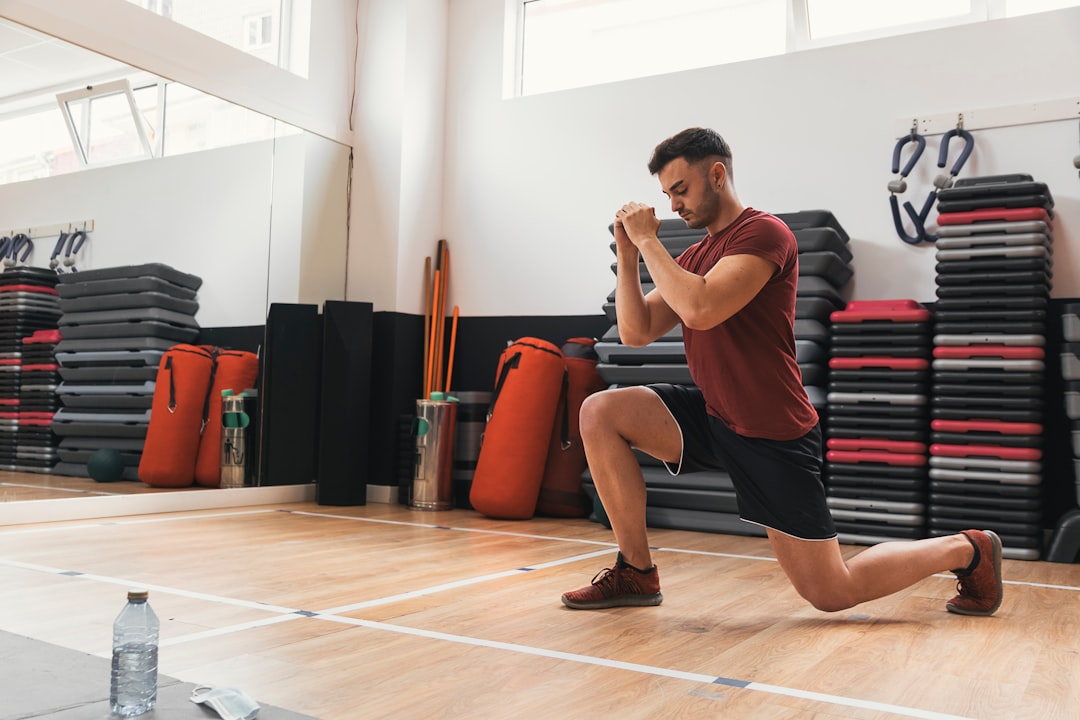
    Complement aerobic activity with strength exercises twice a week, focusing on major muscle groups. Beginners might do bodyweight exercises like squats, lunges, and push-ups, starting with 2 sets of 8–12 repetitions each. As strength improves, add more sets or resistance. Tracking reps and sets over weeks provides tangible evidence of increasing strength.

    Another useful metric is resting heart rate, which tends to drop as cardiovascular fitness improves. Measuring this each morning before getting out of bed can indicate progress without being linked to weight or appearance. Finally, tracking energy levels and sleep quality daily in a simple journal can highlight positive changes often missed by traditional fitness trackers.

    How to Track Without Becoming Obsessed

    Tracking progress is crucial, but many beginners fall into three common pitfalls that can harm motivation:

    1. Overchecking the scales daily. Weight fluctuates naturally due to hydration and food intake. Daily weighing can cause unnecessary stress and misinterpretation of progress. Aim to weigh yourself once a week, at the same time and day, for consistent comparison.

    2. Focusing solely on appearance. Changes in muscle tone and body shape usually take several weeks to months. Obsessing over immediate visual results often leads to frustration. Instead, focus on performance metrics like strength gains, endurance, and mood improvements.

    3. Ignoring small wins. Beginners often overlook improvements in sleep, mood, or stamina because they’re not as visible. These wins are critical indicators that your body is responding well to activity. Recording these wins in a journal can reinforce positive habits and keep you motivated.

    Tracking should support your journey, not dominate it. Use simple tools like a calendar or a notebook instead of multiple tracking devices to keep it manageable and focused.

    When to Change the Plan and When to Stay the Course

    Knowing when to adapt your gym routine is key to long-term success. Beginners often switch plans too quickly when progress slows or they feel bored. However, plateaus are normal and usually temporary. For example, the NHS weight loss guidance recommends a steady, gradual weight loss of 0.5–1kg per week, which means progress might feel slow but is sustainable and healthy.

    If you’ve been consistent for 4–6 weeks and are meeting activity goals but feel stagnant, consider small tweaks rather than an overhaul. This might mean increasing weights slightly, adding a new exercise, or adjusting workout duration. Avoid drastic changes that disrupt habit formation.

    On the other hand, if workouts consistently cause pain, excessive fatigue, or anxiety, it’s wise to modify your plan. For example, reducing intensity or switching to lower-impact exercises until your fitness base strengthens. The key is balancing challenge with enjoyment to maintain consistency.

    Building a Habit That Lasts Beyond the First Month

    Forming a lasting gym habit requires clear, manageable steps. Start by scheduling your workouts at the same time and days each week, treating them like appointments. For instance, committing to Monday, Wednesday, and Friday mornings simplifies planning.

    Set mini goals, such as completing 3 workouts in your first week or increasing your reps by 2 after 2 weeks. Celebrate these milestones to build confidence. Keep workouts between 20 and 45 minutes initially to prevent burnout.

    Use reminders on your phone or calendar to stay on track and prepare your gym kit the night before. After 4 weeks of consistent effort, review your progress using the metrics discussed earlier and adjust your plan if needed. This approach helps turn initial motivation into a sustainable routine that fits your lifestyle. Learn more about the Milo and how it can help you get started.

    Frequently Asked Questions

    What should I include in a beginner workout plan?

    A beginner workout plan should include a mix of aerobic exercises like walking or cycling for 150 minutes per week, combined with two sessions of strength training focusing on major muscle groups using bodyweight or light weights. Start with 2 sets of 8–12 repetitions per exercise, gradually increasing as strength improves.

    How long does meal prep take each week for fitness beginners in the UK?

    For beginners, meal prep typically takes between 2 to 4 hours per week depending on the number of meals prepared. Planning simple, balanced meals using affordable UK supermarket staples like frozen vegetables, canned beans, and lean proteins can streamline the process and reduce cooking time.

    How much does healthy eating cost in the UK for someone starting fitness?

    Healthy eating costs vary but can be managed on a budget of £20–£35 per week by shopping at supermarkets like Aldi or Lidl. Prioritising whole foods such as oats, seasonal vegetables, eggs, and legumes helps keep costs down while meeting nutritional needs.

    What’s the best way to start strength training at home in the UK?

    Begin strength training at home by learning basic bodyweight exercises like squats, lunges, push-ups and planks. Aim for 2 sessions weekly, performing 2 sets of 8–12 reps for each exercise. Use online resources or printed guides from trusted UK health organisations to ensure correct form and progression.

    How long does it take to see fitness progress after starting at the gym?

    Fitness progress varies but mood, energy and sleep improvements often occur within the first week. Visible changes in strength and body composition typically take 4 to 6 weeks with consistent effort. Sustainable weight loss is recommended at 0.5–1kg per week according to NHS guidelines.

    Get started with Milo. Start your 7-day free trial — from £7.99/month.

    Disclaimer: This article is for informational purposes only and does not constitute medical, nutritional, or professional fitness advice. Always consult a qualified healthcare professional before making changes to your diet or exercise routine.

  • How to Overcome Gym Anxiety as a Beginner UK: Practical Tips

    How to Overcome Gym Anxiety as a Beginner UK: Practical Tips

    Starting at the gym can be daunting, especially when anxiety holds you back. This guide offers simple, practical steps to help UK beginners move past gym nerves, focus on progress, and build lasting confidence. By understanding what progress really looks like and tracking the right measures, you’ll find your fitness journey more manageable and rewarding.

    Why You're Making Progress Even When It Doesn't Feel Like It

    When you first start going to the gym, visible results like weight loss or muscle gain can take weeks to show. Yet, measurable benefits begin immediately in less obvious ways. For instance, your mood often improves within days thanks to the release of endorphins during exercise, which is backed by mental health organisations like Mind. Better sleep and increased energy also develop early, helping reduce anxiety over time.

    Many beginners expect instant physical changes, which leads to frustration and quitting. However, performance improvements such as completing more reps or walking longer distances are clear signs of progress. Even meeting the NHS physical activity guidelines of 150 minutes of moderate exercise per week is a substantial achievement that reduces health risks. For more on fitness guides, see our guide.

    Understanding these early wins shifts the focus from appearance to capability, easing gym anxiety by providing tangible milestones rather than vague hopes.

    The Metrics That Actually Matter for Beginners

    Instead of fixating on the number on the scales or how you look in the mirror, track metrics that reflect your growing fitness and habit strength. Start with three measurable benchmarks:

    1. Weekly Activity Minutes: Aim for at least 150 minutes of moderate activity, like brisk walking or cycling, as recommended by the NHS. This is roughly five 30-minute sessions.
    2. Strength Progression: Record the number of repetitions and sets you can do for key exercises such as bodyweight squats or press-ups. Increasing reps by 1–2 each week is a realistic target.
    3. Mood and Energy Levels: Keep a simple journal rating your mood and energy before and after workouts. Improvements here often precede physical changes.

    Set simple weekly goals like attending three gym sessions of 30 minutes each. Use a notebook or phone to log these metrics immediately after your workout. This creates a direct feedback loop that shows progress even when your reflection doesn’t yet.

    If you'd rather not plan this manually, Milo generates your meals and workouts automatically.

    How to Track Without Becoming Obsessed

    Tracking progress is vital but can backfire if it becomes an anxiety trigger. The three most common pitfalls are:

    1. Weighing Yourself Daily: Weight fluctuates naturally due to hydration and digestion. Checking scales every day can cause stress and misleading conclusions. Instead, weigh yourself once a week at the same time.

    2. Comparing to Others: Gym anxiety often comes from feeling ‘less fit’ than others around you. Remember that many gym-goers focus on their own routines and have different goals. Measuring your progress against your own previous weeks is more useful.

    3. Ignoring Non-Scale Victories: Focusing only on weight or mirror changes can cause you to miss important progress like increased stamina or better sleep. Celebrate these wins to maintain motivation.

    Avoid these mistakes by setting limited tracking times: once weekly weigh-ins, weekly strength logs, and a weekly mood check-in. This prevents data overload and keeps your mental wellbeing intact.

    When to Change the Plan and When to Stay the Course

    Beginners often feel stuck when visible progress slows or disappears. However, understanding the typical pace of change is crucial. The NHS recommends aiming for a weight loss of 0.5–1kg per week as a safe and sustainable target (NHS weight loss guidance). Expect fluctuations and plateaus as part of the process.

    If after 4–6 weeks you see no improvement in strength, endurance, or mood, consider adjusting your routine. This might mean adding 5 more minutes to your sessions or trying a different exercise to keep muscles challenged. However, if you’re consistently meeting your weekly activity targets and feeling better, persistence is the best course.

    Avoid changing plans too frequently, which can disrupt habit formation and increase anxiety. Instead, make small tweaks and give them 2–3 weeks to take effect before reassessing.

    Milo helps you stay consistent — no spreadsheets, no guesswork.

    Building a Habit That Lasts Beyond the First Month

    Creating a fitness habit that lasts means planning for consistency, not perfection. Start with scheduling three fixed gym sessions per week on days and times you can realistically commit to. Use reminders on your phone and prepare your kit the night before.

    After four weeks, review your logs of activity minutes, strength reps, and mood ratings. Celebrate improvements and identify any barriers you faced, such as time constraints or anxiety spikes.

    Building confidence also involves familiarising yourself with gym equipment gradually. Spend 5–10 minutes per session practising new machines or exercises outside of your main workout to reduce fear.

    Finally, connect with fellow beginners or friendly gym staff for informal support. Feeling seen and supported helps reduce anxiety and keeps you coming back.

    These steps, combined with tracking meaningful progress and managing expectations, build a fitness habit that grows stronger with time. Learn more about the Milo and how it can help you get started.

    Frequently Asked Questions

    How long does it take to feel comfortable in the gym as a beginner?

    Most people start feeling more comfortable in the gym after 3 to 6 weeks of consistent attendance. Familiarity with equipment, routines, and the environment reduces anxiety. Regular sessions, ideally three times a week, help build this comfort gradually.

    What are simple exercises for beginners to start with at the gym?

    Begin with bodyweight movements such as squats, press-ups against a wall or bench, and walking on a treadmill. Machines like the leg press and rowing machine offer controlled movements and are beginner-friendly. Focus on proper form and manageable sets of 10–15 reps.

    How can I avoid comparing myself to others in the gym?

    Focus on your own progress by tracking personal metrics like workout duration, reps, or mood improvements. Remember everyone started somewhere, and gym users are often focused on their own routines. Practising mindfulness and reminding yourself of your goals can also reduce comparison.

    Is it normal to not see weight loss immediately after starting exercise?

    Yes, it is normal. Healthy weight loss occurs at a rate of 0.5–1kg per week according to the NHS. Initial changes often show in mood, energy, and strength before weight changes become noticeable.

    What is the best way to track progress without becoming obsessed?

    Limit weigh-ins to once a week at the same time, and keep a simple log of workout duration and strength improvements. Include mood and energy notes. Avoid daily tracking, which can cause stress, and focus on multiple indicators of progress, not just the scales.

    Get started with Milo. Start your 7-day free trial — from £7.99/month.

    Disclaimer: This article is for informational purposes only and does not constitute medical, nutritional, or professional fitness advice. Always consult a qualified healthcare professional before making changes to your diet or exercise routine.

  • Why Am I Scared to Go to the Gym for the First Time UK? Practical Help

    Why Am I Scared to Go to the Gym for the First Time UK? Practical Help

    Feeling nervous about your first gym visit is common in the UK, but it doesn’t have to stop you. This guide explains why the fear happens, what mistakes might be holding you back, and practical steps to build confidence. You’ll understand realistic exercise expectations, how to avoid common pitfalls, and get a simple plan to get moving without overwhelm. If you’ve tried before but quit, this is for you.

    Why Starting Feels So Hard (And Why That's Normal)

    The unease you feel is often linked to how our brains react to new challenges. For example, walking into a busy gym like PureGym or Virgin Active for the first time can trigger anxiety because of the unfamiliar environment and fear of judgement. Research shows that anxiety and low confidence are common barriers to exercise, and the NHS highlights that physical activity can actually reduce feelings of anxiety and depression when started gradually. Many beginners expect to need hours at the gym daily, but the NHS physical activity guidelines recommend 150 minutes of moderate exercise per week, which can be broken into manageable sessions that fit your lifestyle. Knowing this reduces pressure and helps keep expectations realistic. For more on fitness guides, see our guide.

    The Simple System That Actually Works for Beginners

    A straightforward approach is to start small and build gradually. Begin with sessions of 20–30 minutes, two to three times a week, focusing on familiar activities like walking on a treadmill or using a stationary bike. Try a simple routine: 5 minutes warm-up, 15–20 minutes steady exercise, 5 minutes cool-down. Use bodyweight exercises or machines designed for beginners to gain confidence. Recording your sessions helps track progress and keeps motivation steady. The NHS strength training exercises guide shows easy ways to include resistance work without complicated equipment. Combining cardio and strength twice weekly meets health recommendations and builds a balanced foundation. Scheduling workouts on specific days and times turns intention into habit.

    The Mistakes That Keep Most People Stuck

    One common mistake is aiming too high too soon. Setting unrealistic goals like daily hour-long sessions can lead to burnout or injury. Another is skipping warm-ups and cool-downs, which increases soreness and discouragement. A third is neglecting recovery, including rest days and proper nutrition, which slows progress and affects mood. According to Sport England’s Active Lives survey, many people stop exercise within weeks due to frustration or discomfort. These mistakes create a cycle of quitting and restarting. Instead, focusing on consistency over intensity, performing gentle warm-ups, and listening to your body can help you stay on track.

    How to Build Momentum When Motivation Disappears

    Motivation often fluctuates, especially in the early weeks. The key difference between those who continue and those who quit is having a system that doesn’t rely solely on feeling motivated. For example, setting fixed workout days and packing your gym bag the night before removes daily decision-making. Pairing gym visits with enjoyable activities, such as listening to favourite podcasts, can also help. Tracking small wins, like increased stamina or lifting slightly heavier weights, creates positive feedback. Mindfulness about mood changes linked to exercise, as noted by mental health guidance from NHS, reinforces the mental benefits and helps maintain momentum when enthusiasm wanes.

    Your First Two Weeks: A Realistic Action Plan

    Start by committing to two gym visits per week, each lasting 25–30 minutes. Day one, focus on cardio: 5 minutes walking warm-up, 15 minutes cycling or treadmill at a comfortable pace, 5 minutes stretching. Day two, include some strength: 5 minutes warm-up, 15 minutes of basic bodyweight exercises or machine resistance, 5 minutes cool-down. Keep a simple log of how you feel and what you did. Avoid pushing to exhaustion; the goal is consistency. After week one, review progress and adjust by adding 5 minutes or an extra session if comfortable. This plan fits around busy UK lifestyles and aligns with NHS recommendations for physical activity and mental health benefits. Learn more about the Milo and how it can help you get started.

    Frequently Asked Questions

    Why do I feel scared to go to the gym for the first time?

    Feeling scared is common due to anxiety about new environments and fear of judgement. The unfamiliar gym layout, equipment, and other people can be intimidating. This reaction is natural and shared by many. Starting with small, manageable steps and familiarising yourself with the gym during quiet hours can ease these feelings.

    How much exercise do I need to do as a beginner?

    The NHS recommends at least 150 minutes of moderate exercise weekly for adults, which can be split into sessions like 30 minutes five days a week. Beginners can start with shorter sessions and gradually increase duration and intensity to build fitness safely.

    What are common mistakes beginners make when starting gym workouts?

    Common mistakes include setting unrealistic goals, skipping warm-ups and cool-downs, and neglecting rest and recovery. These can lead to injury, burnout, or loss of motivation. A balanced, gradual approach with attention to recovery helps prevent these issues.

    How can I stay motivated to keep going to the gym?

    Building habits by scheduling workouts, preparing equipment in advance, and tracking progress helps maintain motivation. Pairing exercise with enjoyable activities, like music or podcasts, and recognising mental health benefits also supports ongoing commitment.

    What should my first two weeks at the gym look like?

    Aim for two sessions per week of about 25–30 minutes each. Start with light cardio and basic strength exercises, including warm-ups and cool-downs. Keep workouts manageable, track how you feel, and gradually increase duration or frequency as you become more comfortable.

    Get started with Milo. Start your 7-day free trial — from £7.99/month.

    Disclaimer: This article is for informational purposes only and does not constitute medical, nutritional, or professional fitness advice. Always consult a qualified healthcare professional before making changes to your diet or exercise routine.

  • How to Create a Workout Routine for Beginners: A Practical UK Guide

    How to Create a Workout Routine for Beginners: A Practical UK Guide

    Starting a workout routine can feel overwhelming, especially when progress seems slow or invisible. If you’re a beginner in the UK struggling to stick with exercise, this guide offers practical, jargon-free advice to help you build a routine that fits your lifestyle. You’ll discover how to measure real progress beyond the mirror, set achievable targets that meet NHS guidelines, and avoid common tracking mistakes. This isn’t about quick fixes—it’s about steady, meaningful gains that keep you motivated and moving forward.

    Why You're Making Progress Even When It Doesn't Feel Like It

    It’s common for beginners to feel stuck because physical changes take time. For example, muscle growth usually becomes visible after 6–8 weeks, and weight loss often happens at a slow pace, not instantaneously. Yet, your body adapts in other important ways early on—improvements in cardiovascular health, increased stamina, and better sleep quality are measurable and meaningful. A typical beginner who exercises 3 times a week for 30 minutes is already meeting half of the weekly target recommended by NHS physical activity guidelines, which advises at least 150 minutes of moderate activity weekly. This means you are already building a solid foundation even if the mirror isn’t showing dramatic changes yet. Tracking improvements in energy levels or mood can provide positive reinforcement while your body adjusts. For more on fitness guides, see our guide.

    The Metrics That Actually Matter for Beginners

    Focus on metrics that show consistent effort and gradual improvement. First, track the number of exercise sessions per week—aim for at least three 30-minute sessions. Next, measure performance by noting how many repetitions or sets you complete in strength exercises or how far you can walk or jog in a set time. For example, starting with 10 squats and increasing to 15 over four weeks shows progress. Also, monitor sleep quality and mood as indirect fitness markers; better rest and improved mood often come before physical changes. The NHS recommends strength exercises at least twice weekly targeting major muscle groups, and tracking reps helps ensure you progressively overload muscles without injury. Avoid weighing yourself daily; instead, check your weight weekly or fortnightly to avoid discouragement from normal fluctuations.

    If you'd rather not plan this manually, Milo generates your meals and workouts automatically.

    How to Track Without Becoming Obsessed

    Three common tracking pitfalls can derail beginners: over-focusing on weight, recording every detail obsessively, and comparing with others. Weighing yourself multiple times a day or every day can cause frustration due to natural weight changes from hydration or food intake. Instead, weigh weekly and consider other signs of progress like improved fitness or energy. Obsessive tracking of every rep or calorie can lead to burnout; keep logs simple, noting only key data like session count or duration. Comparing your progress to others, especially on social media, often leads to unrealistic expectations. Instead, focus on your own consistent improvements. This balanced approach prevents discouragement and helps maintain motivation.

    When to Change the Plan and When to Stay the Course

    Beginners often wonder if they should change their routine when progress stalls. The key is patience and recognising normal plateaus. For instance, if you’ve been doing 3 sessions a week for four weeks and no longer feel challenged, it’s time to increase difficulty by adding more reps, weight, or session length. However, if progress feels stalled within the first 2–3 weeks, stick with the plan; the body needs time to adapt. Slow weight loss is normal and healthy; the NHS weight loss guidance recommends 0.5–1kg per week as a sustainable target. Changing routines too often can interrupt habit formation, so make adjustments only when you have clear signs of plateauing or boredom.

    Milo helps you stay consistent — no spreadsheets, no guesswork.

    Building a Habit That Lasts Beyond the First Month

    To make your workout routine stick, set clear, achievable goals. Aim for 3 sessions weekly, scheduling them at consistent times, for example Monday, Wednesday, and Friday evenings. Use reminders and prepare your kit in advance to reduce barriers. Celebrate small wins like completing your first week or adding an extra rep. After four weeks, review progress: has your energy improved? Are you sleeping better? Adjust your routine gradually to keep it engaging but manageable. Building habit strength takes time; consistency over months beats intensity over days. Use simple tracking methods like a calendar tick or brief notes to reinforce commitment without overwhelming yourself. Learn more about the Milo and how it can help you get started.

    Frequently Asked Questions

    How long should a beginner workout routine be?

    A beginner workout routine should typically last between 20 to 45 minutes per session, performed three times a week. This duration balances effectiveness with recovery, helping you build consistency without risking burnout.

    What exercises are best for beginners starting a workout routine?

    Focus on basic compound movements like squats, lunges, push-ups, and planks. These exercises engage multiple muscle groups, improving overall strength and coordination, and can be done with little or no equipment.

    How often should beginners update their workout routine?

    Beginners should consider updating their routine every 4 to 6 weeks, or when exercises become too easy. Gradually increasing intensity or volume helps avoid plateaus and maintains steady progress.

    Is it necessary to track weight daily when starting to exercise?

    No, daily weight tracking is not recommended as natural fluctuations can cause confusion and demotivation. Weekly or fortnightly weigh-ins provide a clearer picture of long-term progress.

    How can beginners avoid injury when creating a workout routine?

    Start with low-impact exercises, focus on proper form, and include warm-ups and cooldowns. Progress gradually by increasing intensity or volume slowly, and listen to your body to prevent overtraining.

    Get started with Milo. Start your 7-day free trial — from £9.99/month.

    Disclaimer: This article is for informational purposes only and does not constitute medical, nutritional, or professional fitness advice. Always consult a qualified healthcare professional before making changes to your diet or exercise routine.
  • PureGym Beginner Workout Plan UK: A Simple Guide to Start Strong

    PureGym Beginner Workout Plan UK: A Simple Guide to Start Strong

    Starting a fitness journey can feel overwhelming, especially when unsure where to begin or how to avoid costly mistakes. This guide breaks down an effective beginner workout plan tailored for the UK, focusing on accessible exercises, realistic timings, and proven routines that fit into busy lives. No jargon, no expensive equipment required—just practical, actionable steps that anyone can follow to build strength, improve fitness, and gain confidence from day one.

    You Don't Need a Gym Membership to Get Fit

    A common misconception is that gym access is mandatory for fitness progress. Yet, many PureGym sites in the UK report that beginners often feel intimidated or uncertain about equipment use, which can hinder consistency. Instead, focusing on bodyweight exercises and walking or running outside can deliver powerful health benefits without any subscription fees. For example, walking briskly for 30 minutes five times a week adds up to the NHS’s recommended 150 minutes of moderate activity. This alone improves cardiovascular health and aids weight management. Strength training, another pillar of fitness, can be achieved with simple moves like squats, lunges, and press-ups done at home or in a park — no machines needed. This approach saves money, removes scheduling barriers, and builds confidence in your own space. For more on fitness guides, see our guide.

    The Zero-Equipment Routine That Actually Builds Fitness

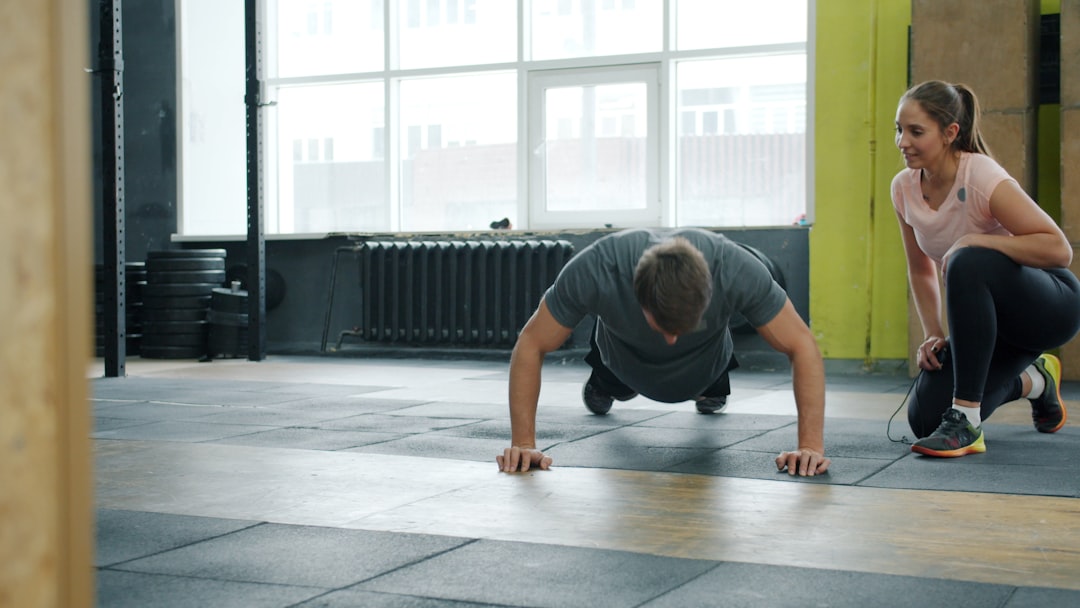
    A structured routine is key to progress. Follow this twice weekly to complement daily activity: 3 sets of 10-15 squats, 3 sets of 8-12 press-ups (knees down if needed), 3 sets of 10 glute bridges, and 3 sets of 20-second planks. Rest 60 seconds between sets. This targets major muscle groups and builds foundational strength. Start with two sessions per week, increasing reps as you get stronger. Each session takes 20-30 minutes, making it easy to fit into busy days. For detailed guidance, the NHS strength exercises at home provide step-by-step instructions and demonstration videos for free. Incorporate this routine with brisk walking or cycling sessions for overall health.

    If you'd rather not plan this manually, Milo generates your meals and workouts automatically.

    How to Make Home Workouts Hard Enough to Matter

    Beginners often struggle with three main pitfalls: doing exercises too fast, neglecting form, and skipping rest. Rushing through squats without full depth reduces muscle activation, limiting strength gains and increasing injury risk. Poor form in press-ups, like sagging hips, can strain the lower back. Lastly, insufficient rest between sets prevents muscles from recovering, blunting progress. To avoid these, count reps deliberately, focusing on controlled movement. Use a mirror or record yourself to check form. Rest for 60 to 90 seconds between sets to allow muscles to replenish energy. This approach ensures every session challenges your body correctly and safely, maximising adaptation without overtraining.

    When (and How) to Add Equipment Without Wasting Money

    Introducing equipment can enhance workouts but only when basics are mastered. Common mistakes include buying too many gadgets, expensive machines, or heavy weights too soon. Instead, start with low-cost, versatile items like resistance bands (£5-£15 from UK retailers) which add variable tension without injury risk. A sturdy chair or step can substitute for dips or elevated lunges. Dumbbells of 2-4kg help increase load progressively but only after mastering bodyweight moves. Avoid impulse buys by planning purchases around specific goals and tracking improvements. This saves money and ensures every item you own contributes to your fitness journey effectively.

    Milo helps you stay consistent — no spreadsheets, no guesswork.

    Your Free, No-Excuses Weekly Plan

    Here’s a simple weekly schedule combining strength and cardio:

    • Monday: 20-30 minutes zero-equipment strength routine
    • Wednesday: 30 minutes brisk walking or cycling
    • Friday: 20-30 minutes zero-equipment strength routine
    • Sunday: Follow the NHS Couch to 5K free programme to build running endurance gradually

    This plan totals over 150 minutes of moderate activity with two strength days, aligning with UK health guidelines. It requires no gym fees or costly equipment and suits beginners aiming to build fitness steadily. Consistency, not intensity on day one, is what creates lasting change. Learn more about the Milo and how it can help you get started.

    Frequently Asked Questions

    How long should a puregym beginner workout plan last each session?

    A beginner workout session should last between 20 to 30 minutes, focusing on compound bodyweight exercises and allowing for rest between sets. This duration is manageable for most schedules and effective for building strength and fitness without causing burnout.

    What exercises are best for beginners starting at puregym in the UK?

    Beginners should focus on basic bodyweight exercises like squats, press-ups, lunges, glute bridges, and planks. These target all major muscle groups, build foundational strength, and can be done without equipment, making them ideal for those starting out in the UK.

    Can I get fit without a gym membership in the UK?

    Yes, you can achieve fitness goals without a gym membership by combining regular brisk walking or cycling with bodyweight strength exercises at home or outdoors. The NHS recommends at least 150 minutes of moderate activity weekly, which can be met through accessible activities without gym access.

    How often should beginners do strength training exercises per week?

    Beginners should aim for two strength training sessions per week, each lasting 20-30 minutes. This frequency allows muscles time to recover and adapt while promoting steady progress in muscle strength and endurance.

    What is the best way to start running as a fitness beginner in the UK?

    Starting with a structured programme like the NHS Couch to 5K is recommended. It gradually builds running endurance over nine weeks with a mix of walking and running, making it suitable and safe for beginners to improve cardiovascular fitness effectively.

    Get started with Milo. Start your 7-day free trial — from £9.99/month.

    Disclaimer: This article is for informational purposes only and does not constitute medical, nutritional, or professional fitness advice. Always consult a qualified healthcare professional before making changes to your diet or exercise routine.