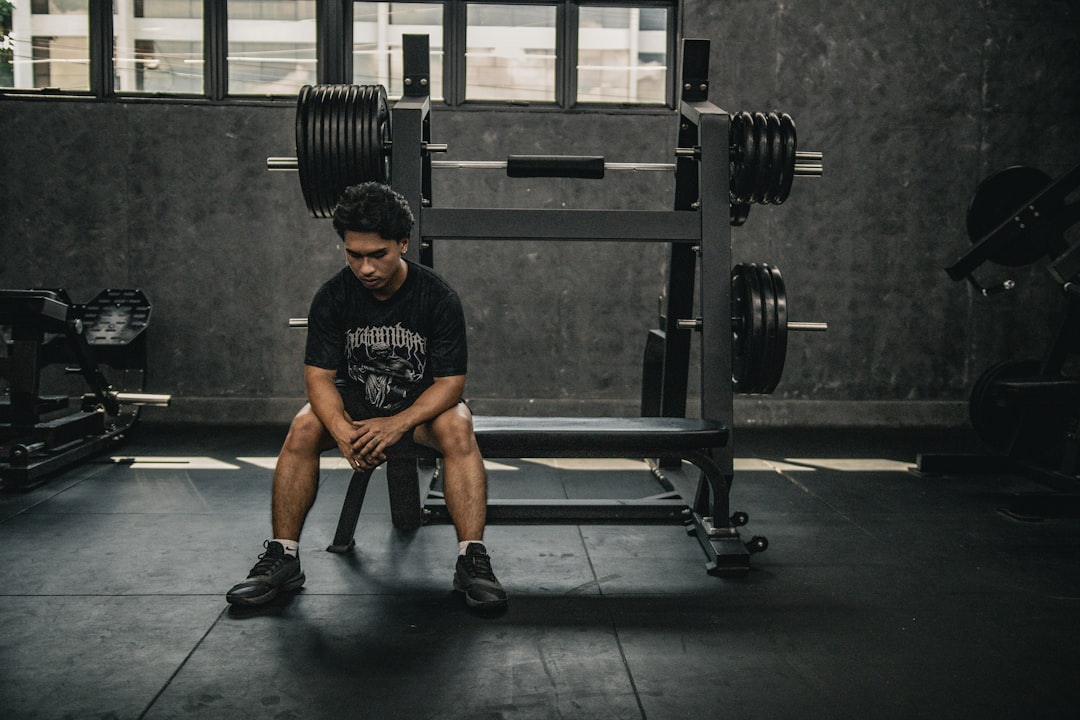
Clients new to fitness often report feeling nauseous or dizzy post-workout, leaving them frustrated and doubtful about continuing. This reaction isn’t unusual but can cost time, confidence, and client retention if not understood. This guide unpacks the common causes behind feeling sick after beginner gym sessions, from hydration and nutrition issues to pacing errors. It equips personal trainers with precise, actionable strategies to help clients acclimate smoothly, improving client experience and results without jargon or guesswork.
Why You're Making Progress Even When It Doesn't Feel Like It
If a client feels sick after a beginner workout, it’s easy to assume no progress is happening. However, progress at the start is often invisible but measurable in non-scale victories. For example, mood improvements, better sleep, and increased energy are early benefits that 75% of new exercisers report within two weeks, even if weight or strength gains lag behind. This aligns with evidence on exercise and mental wellbeing showing how physical activity enhances mood and reduces anxiety swiftly, often before physical changes appear Mind — exercise and mental wellbeing.
Another overlooked marker is meeting or nearing the NHS physical activity guidelines of 150 minutes of moderate exercise per week, which many beginners struggle with initially but reach within a month NHS physical activity guidelines. Tracking these helps clients see real wins, even when their body feels off post-session. For more on nutrition, see our guide.
The Metrics That Actually Matter for Beginners
Beginners should not focus obsessively on weight or body measurements early on. Instead, prioritising simple, trackable metrics can ensure clients stay motivated and on track. Start with session attendance and completion—aiming for at least three workouts a week is a solid foundation. Next, track improvements in workout volume or intensity, such as increasing reps or duration by 5–10% weekly.
Hydration and nutrition logs are crucial, as dehydration and poor pre-workout meals commonly cause nausea. Encouraging clients to drink 250–500ml of water 30 minutes before exercise and eat a balanced snack 1–2 hours prior can reduce sickness symptoms. The NHS Eatwell Guide offers simple frameworks for balanced eating without complicated calorie counting, helping clients fuel effectively without overwhelm.
Finally, track subjective wellbeing metrics like energy level and sleep quality, both early indicators of improved fitness. Even modest improvements in these areas suggest progress and reduce the risk of burnout or injury.
If you'd rather not plan this manually each week, Milo App can generate your meals and workouts automatically — just set your goal and it handles the rest.
How to Track Without Becoming Obsessed
Tracking progress is vital but can backfire if clients fixate on imperfect data or unrealistic targets. The three common pitfalls are: 1) obsessing over weight fluctuations, which naturally vary day-to-day; 2) comparing themselves to others, which damages motivation and self-esteem; 3) ignoring rest and recovery, leading to sickness or injury.
Weight fluctuations of up to 2kg within a day are normal and often caused by hydration, glycogen stores, or digestion. Emphasising this to clients prevents unnecessary worry. Instead, use weekly averages to gauge trends.
Comparison traps are rampant on social media and can make clients feel their progress is inadequate. Encouraging clients to focus on personal bests and adherence to their own plan creates a healthier mindset.
According to the NHS calorie guidelines: The NHS recommends an average of 2,000 calories per day for women and 2,500 for men, though this varies based on your size and activity level.
Lastly, skipping rest days or pushing through fatigue often causes nausea and dizziness post-workout. Educate clients on the importance of recovery and help them schedule rest or low-intensity days appropriately.
When to Change the Plan and When to Stay the Course
Deciding whether to adjust a beginner’s workout plan or maintain consistency is a common challenge. Feeling sick after gym sessions doesn’t always mean the plan is wrong; sometimes, it’s the body’s natural adaptation process. Most beginners will experience mild discomfort or fatigue in the first 2–4 weeks, which improves with consistent, gradual loading.
Change the plan only if symptoms persist beyond a month, worsen, or include alarming signs like chest pain or severe dizziness. If progress stalls for over four weeks despite adherence, reassess nutrition, hydration, rest, and exercise intensity. The NHS weight loss guidance emphasises that safe and sustainable fat loss is about 0.5–1 kg per week, highlighting the value of patience and gradual progression NHS weight loss guidance.
When in doubt, scale back intensity and volume rather than scrapping the plan entirely. Small tweaks often restore comfort while maintaining momentum.
According to the NHS physical activity guidelines: The NHS recommends adults do at least 150 minutes of moderate activity or 75 minutes of vigorous activity per week.
Milo App helps you stay consistent by turning your preferences into a ready-made plan — no spreadsheets, no guesswork, no starting from scratch every week.
Building a Habit That Lasts Beyond the First Month
The first month is a critical window to establish sustainable exercise habits. Set clear, achievable short-term goals such as attending three sessions per week for four weeks, focusing on consistency over intensity. Encourage clients to schedule workouts as fixed appointments, ideally at the same time and place, to reinforce routine.
Introduce simple habit stacking techniques, like having workout gear ready the night before or pairing exercise with enjoyable activities (listening to favourite music or podcasts). Review progress weekly to celebrate non-scale wins such as improved mood or sleep.
If clients feel sick post-training, prompt them to adjust pre-workout nutrition or hydration immediately. Reinforcing these small, manageable actions helps build resilience and enjoyment, increasing the chances of long-term adherence. Learn more about the Milo App and how it can help you get started.
Frequently Asked Questions
What are the main causes of feeling sick after a beginner gym workout?
Feeling sick after beginner workouts is usually caused by dehydration, low blood sugar from improper nutrition, overexertion, or inadequate rest. Beginners often push too hard or skip meals and hydration, leading to nausea or dizziness. Adjusting pre-workout snacks, drinking water before and during sessions, and pacing exercise intensity can help prevent these symptoms.
How can personal trainers help clients avoid post-workout nausea?
Personal trainers should educate clients on the importance of hydration and balanced pre-workout nutrition, recommending at least 250ml of water 30 minutes before exercise and a light snack 1–2 hours prior. They should also tailor workout intensity to the client’s fitness level, encourage gradual progression, and schedule rest days to prevent overexertion that can cause sickness.
When should a personal trainer consider changing a beginner’s workout plan due to sickness?
If a client’s nausea or dizziness persists beyond four weeks despite hydration and nutrition adjustments, worsens during sessions, or is accompanied by alarming symptoms such as chest pain, it’s time to reassess the plan. Trainers should reduce intensity or volume initially and monitor response before making further changes.
What beginner workout metrics should UK personal trainers track for progress?
UK personal trainers should track session attendance, workout volume or intensity increases (e.g., reps, duration), hydration and nutrition adherence, and subjective wellbeing markers like energy and sleep quality. These metrics offer a realistic, motivating picture of progress beyond weight or body measurements.
How can PTs help clients build lasting exercise habits after the first month?
PTs can support habit formation by setting clear, achievable goals such as consistent session attendance, using habit stacking techniques (preparing kit in advance), and scheduling workouts at regular times. Regularly reviewing progress and addressing any discomfort promptly helps maintain motivation and reduces dropout risk.
Build your plan automatically with Milo App. Download Milo App and get your first week free — from £7.99/month after that.