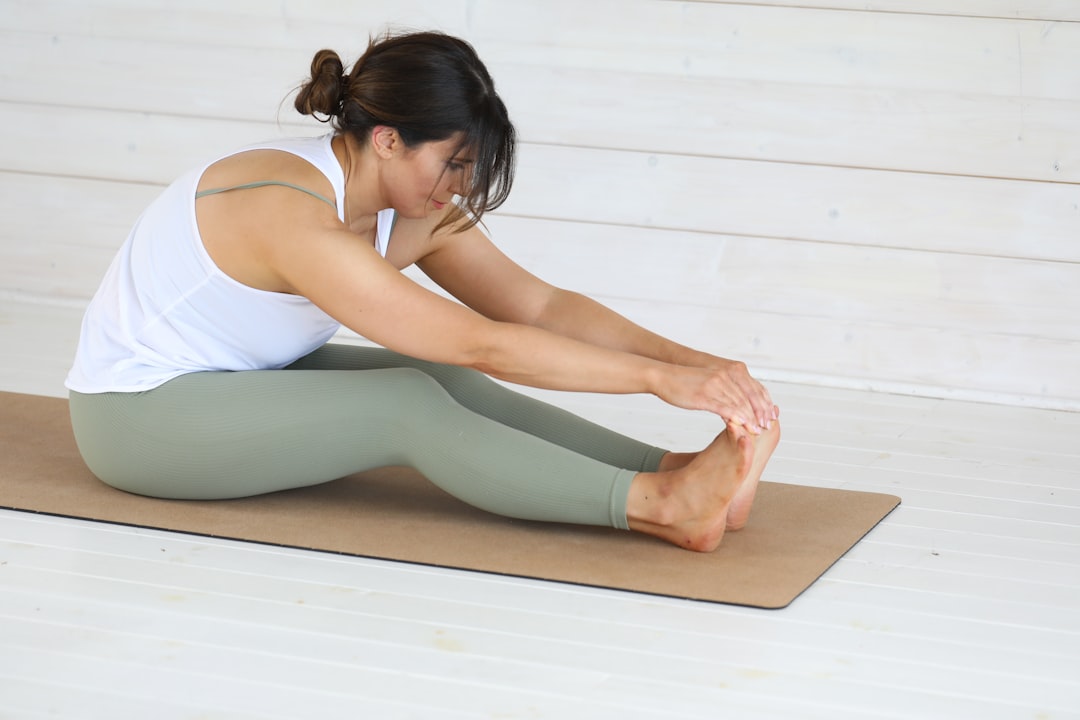
Muscle soreness is a common experience for those new to exercise, often causing confusion and discomfort. This soreness usually results from tiny muscle fibre damage when you start workouts or increase intensity. Understanding that this is a normal part of building strength helps ease worries and encourages consistent activity. Knowing how to respond to soreness can make the difference between giving up and getting stronger. For more on fitness guides, see our guide.
Why Starting Feels So Hard (And Why That's Normal)
Muscle soreness is a delayed response to unfamiliar physical stress, known as delayed onset muscle soreness (DOMS). This soreness is caused by tiny tears in muscle fibres triggered by new or intense movements. According to the NHS physical activity guidelines, adults aged 19 to 64 should aim for at least 150 minutes of moderate activity weekly, but initial sessions often create soreness because muscles adapt slowly. The pain can feel discouraging but is a sign that your muscles are repairing and growing stronger. This response is especially common in beginners who have not conditioned their muscles to handle repeated stress. Knowledge of this normal process helps manage expectations and reduces the risk of quitting early.
The Simple System That Actually Works for Beginners
Consistency beats intensity for those new to exercise. Start with short, manageable workouts incorporating gentle strength and aerobic movements as recommended by the NHS strength training exercises guide. Begin with 15 to 20 minutes, two or three times a week, allowing muscles to recover between sessions. Use a gradual increase in effort — for example, add 5 minutes or one extra set each week. Prioritise warming up and cooling down to ease muscle tension. Shopping at local supermarkets such as Tesco or Sainsbury's for balanced foods following the NHS Eatwell Guide supports recovery. Tracking progress with simple notes helps you recognise improvement without rushing. This system builds strength steadily and reduces the risk of overwhelming soreness.
If you'd rather not plan this manually, Milo generates your meals and workouts automatically.
The Mistakes That Keep Most People Stuck
The three mistakes that prolong muscle soreness and stall beginner progress are: 1) Ignoring recovery needs, which leads to persistent pain and injury risk; 2) Pushing too hard too soon, causing severe soreness and burnout; 3) Neglecting nutrition and hydration, which slows muscle repair. For example, skipping rest days prevents muscles from healing, increasing the chance of strains. Overtraining can lead to chronic fatigue and loss of motivation. Without enough protein and fluids, the body cannot effectively rebuild muscle fibres. Avoiding these common errors creates a more enjoyable and sustainable fitness habit.
How to Build Momentum When Motivation Disappears
When motivation wanes, focusing on small wins and mental health benefits can reignite momentum. Exercise boosts mood by releasing endorphins and reducing anxiety, as outlined in the NHS mental health and exercise guidance. The Sport England Active Lives survey finds that people who exercise regularly report better wellbeing. Scheduling short, enjoyable sessions during your day—even just 10 minutes—can maintain consistency. Pairing workouts with daily life, such as walking to local shops or gardening, integrates activity without pressure. Tracking your feelings alongside physical gains helps you recognise progress beyond muscle soreness.
Milo helps you stay consistent — no spreadsheets, no guesswork.
Your First Two Weeks: A Realistic Action Plan
Begin with three sessions of 15 minutes each week, mixing light aerobic activities like walking with simple strength moves such as bodyweight squats or wall push-ups. Allow at least one day between sessions for recovery. Prioritise hydration and balanced meals rich in protein and vegetables. Use gentle stretching after workouts to ease tight muscles. If soreness peaks, reduce intensity or switch to low-impact activities like swimming or cycling. Reflect on your achievements weekly to stay motivated.
Frequently Asked Questions
What causes muscle soreness in beginners?
Muscle soreness in beginners is caused by microscopic damage to muscle fibres after unfamiliar or intense exercise, known as delayed onset muscle soreness (DOMS). This usually peaks 24 to 48 hours post-workout and signals muscle adaptation, not injury.
Is muscle soreness normal when starting workouts in the UK?
Yes, muscle soreness is a normal response for UK beginners starting exercise. The NHS physical activity guidelines note that initial sessions can cause soreness as muscles adapt to new physical demands.
How long does muscle soreness last for beginners?
Muscle soreness typically lasts between 24 and 72 hours after exercise for beginners. It usually fades as muscles recover and strengthen with consistent activity.
Can muscle soreness be reduced or prevented?
Muscle soreness can be reduced by starting with gentle exercise, warming up, cooling down, and gradually increasing intensity. Proper hydration and nutrition, as outlined by the NHS Eatwell Guide, also support recovery.
When should I be concerned about muscle soreness?
Seek medical advice if soreness is severe, lasts more than a week, or is accompanied by swelling, weakness, or dark urine. Normal soreness should improve within a few days and not impair daily activities.
Get started with Milo. Start your 7-day free trial — from £7.99/month.
Disclaimer: This article is for informational purposes only and does not constitute medical, nutritional, or professional fitness advice. Always consult a qualified healthcare professional before making changes to your diet or exercise routine.
Leave a Reply