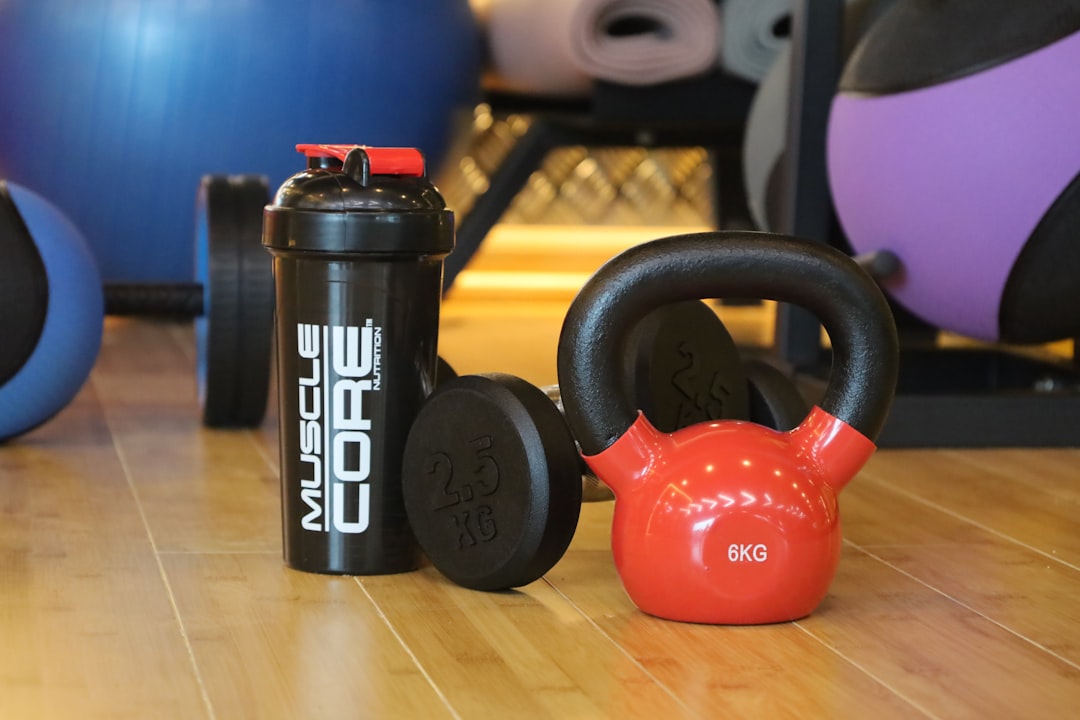
Starting at the gym without knowing what to eat beforehand can lead to poor energy and stalled progress. In the UK, many beginners follow misleading nutrition tips that do more harm than good. Understanding the right balance of carbohydrates, protein, and hydration before exercise is crucial. This guide clarifies common myths and offers straightforward advice on the best pre-gym foods and timing to help beginners fuel their workouts effectively and avoid fatigue or discomfort.
The Fitness Advice That's Actually Holding You Back
Pre-workout nutrition is often misunderstood by beginners. The common myth that "carb loading" or eating large meals right before the gym boosts performance is false. In reality, Sport England Active Lives research reveals most adults don’t exercise enough partly because they feel tired or uncomfortable during workouts. Many believe skipping meals before exercise helps burn fat faster, but this leads to low energy and poor muscle function instead.
Skipping breakfast or relying solely on sugary energy bars can cause blood sugar spikes followed by rapid crashes, leaving beginners drained. Another misleading advice is to consume heavy, fatty foods pre-gym; these slow digestion and increase discomfort during workouts. The truth is that moderate portions of easily digestible carbohydrates paired with protein provide steady energy and support muscle repair.
Hydration myths also persist. Some think caffeinated drinks or sports drinks are necessary pre-workout, but water is usually sufficient, especially for beginners engaging in moderate activity. These misconceptions have real consequences: poor nutrition choices reduce stamina, increase injury risk, and discourage consistency. For more on fitness guides, see our guide.
Understanding and rejecting these false narratives is the first step in adopting a sustainable pre-gym nutrition routine that truly supports fitness goals.
What the Science (and Experience) Actually Says
Scientific guidelines for pre-exercise nutrition emphasise timing, composition, and hydration. The NHS physical activity guidelines recommend adults engage in at least 150 minutes of moderate aerobic activity weekly, but success depends on adequate fuel. Eating 1–2 hours before exercise a meal containing 30–60 grams of carbohydrates and 10–20 grams of protein optimises energy.
In practical UK terms, this could be porridge with a dollop of yoghurt, a banana with peanut butter on wholemeal toast, or a boiled egg and a slice of seeded bread. Avoiding high-fat or high-fibre foods in this window reduces gastrointestinal discomfort, which is common among beginners.
Hydration should start before exercise; aim to drink 500ml of water in the two hours leading up to your session. During longer workouts, sipping water helps maintain performance. Real-world experience from fitness professionals supports these recommendations, noting beginners who follow this structure report better energy and fewer cramps or nausea.
Supermarkets like Tesco and Sainsbury’s stock convenient options aligned with these needs. Choosing whole foods over processed snacks ensures a steady release of glucose into the bloodstream, sustaining muscle work. This measured approach contrasts sharply with fad diets or quick fixes often promoted online.
Consistent application of these science-backed principles enables beginners to train harder, recover faster, and build healthy habits.
If you'd rather not plan this manually, Milo generates your meals and workouts automatically.
Why "Go Hard or Go Home" Is the Worst Advice for Beginners
The "go hard or go home" mentality leads to three main mistakes that derail beginners: overtraining without proper fuel, neglecting recovery nutrition, and ignoring energy needs.
First, pushing to exhaustion without eating adequately beforehand causes blood sugar depletion, reducing workout effectiveness and increasing injury risk. Second, skipping a balanced meal before the gym undermines muscle repair and growth, making progress slow and frustrating. Third, ignoring hydration and proper timing results in fatigue, dizziness, or nausea, which discourage regular exercise.
These mistakes cause beginners to plateau quickly, develop negative associations with gym sessions, and sometimes drop out entirely. Instead of intensity alone, balanced nutrition and pacing are fundamental to sustainable fitness.
Ignoring these pitfalls and following misleading advice from social media or magazines often results in wasted effort and lost motivation. Beginner fitness requires patience, proper preparation, and respect for the body’s needs, not reckless intensity.
The Simple Principles That Actually Work Long-Term
Contrary to popular belief, simple, consistent nutrition habits outperform complicated meal plans or expensive supplements long-term. A key principle is timing: eating 1–2 hours before workouts is optimal, as supported by NHS strength exercises guidance.
Focusing on whole, minimally processed foods with balanced macronutrients sustains energy without digestive issues. For example, a balanced breakfast or snack containing complex carbs and protein fuels both aerobic and resistance training effectively.
Hydration remains a cornerstone. Drinking water regularly before, during, and after exercise supports cardiovascular function and mental clarity, which is critical since Mind highlights exercise’s benefits for mental health.
Avoiding extremes such as fasting before workouts or overindulging in sugary snacks prevents energy crashes and enhances adherence. Keeping meals simple and consistent builds a foundation for steady progress.
Applying these principles aligns with NHS Eatwell Guide recommendations and supports safe, gradual improvements in fitness and wellbeing.
Milo helps you stay consistent — no spreadsheets, no guesswork.
How to Filter Good Advice from Noise Going Forward
Focus on advice grounded in established UK health guidelines and measurable outcomes. Check sources like NHS and Sport England for reliable information. Prioritise simple, actionable steps such as meal timing and hydration over trendy diets.
Set short-term goals to test nutrition strategies and adjust based on how your body responds. Avoid drastic changes or expensive products without evidence.
Use a checklist: Is the advice supported by UK government or reputable health bodies? Does it consider your personal needs and preferences? Is it sustainable?
Track your energy and performance to identify what works best. This method prevents falling for misleading claims. Learn more about the Milo and how it can help you get started.
Frequently Asked Questions
What should a beginner eat before going to the gym in the UK?
A beginner should eat a small meal containing 30–60 grams of carbohydrates and 10–20 grams of protein about 1–2 hours before the gym. For example, wholegrain toast with peanut butter or porridge with yoghurt provides sustained energy without causing digestive discomfort.
How long before the gym should I eat if I’m new to exercise in the UK?
It is best to eat 1–2 hours before your gym session. This timing allows your body to digest the meal, providing steady energy and reducing the risk of stomach issues during exercise.
Is it okay to drink water before the gym as a beginner?
Yes. Drinking around 500ml of water in the two hours before exercise helps maintain hydration, which supports performance and reduces fatigue during workouts.
Are energy bars good to eat before the gym for UK beginners?
Energy bars can be convenient but often contain high sugar, which causes a quick energy spike followed by a crash. Beginners should prefer whole foods with complex carbohydrates and protein for sustained energy.
Can skipping meals before the gym help with fat loss for beginners?
No. Skipping meals before exercise often leads to low energy and reduced workout quality. Consuming a balanced pre-exercise meal improves performance and supports fat loss more effectively, as recommended by NHS physical activity guidelines.
Get started with Milo. Start your 7-day free trial — from £7.99/month.
Disclaimer: This article is for informational purposes only and does not constitute medical, nutritional, or professional fitness advice. Always consult a qualified healthcare professional before making changes to your diet or exercise routine.
Leave a Reply