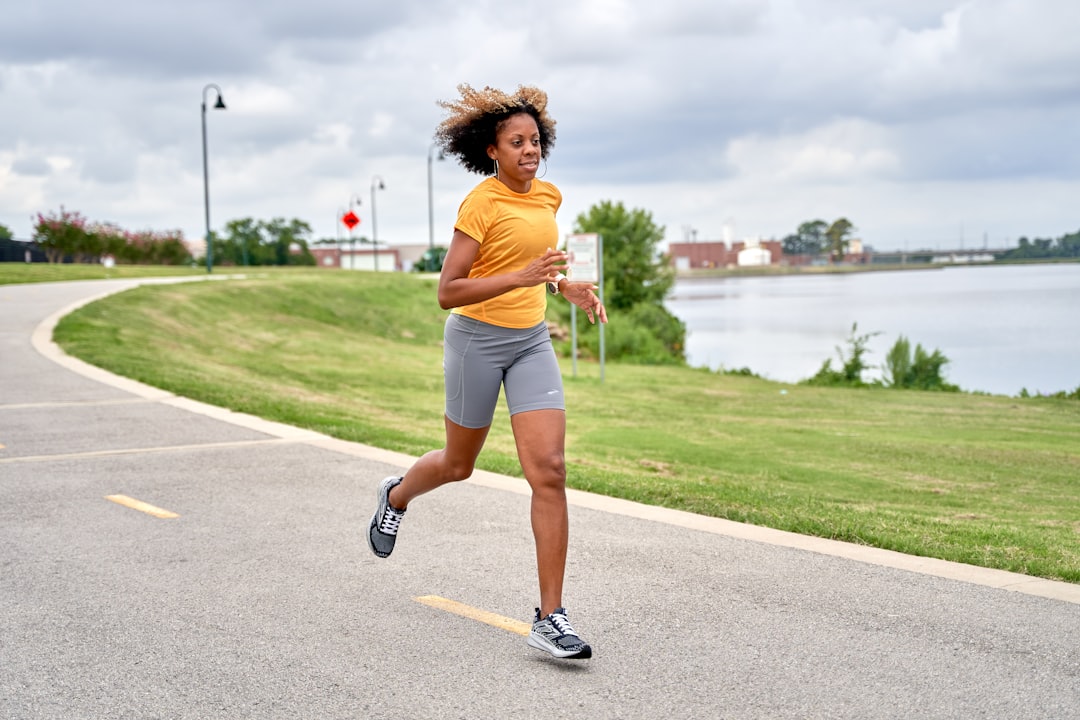

Kira Mei is a certified personal trainer and nutrition coach specialising in fitness for UK adults over 40. She helps beginners build sustainable habits without the gym intimidation, fad diets, or wasted effort.
Starting a fitness journey to lose weight and build muscle simultaneously can feel overwhelming. For UK beginners, combining the right exercise routine with personalised nutrition is key. Effective weight loss and muscle gain require consistent strength training and balanced meals tailored to your needs. Many achievable home workouts and free resources can help you start without expensive equipment or gym memberships. Learning how to structure your week with manageable, evidence-based steps sets the foundation for sustainable progress. For more on fitness guides, see our guide.
You Don't Need a Gym Membership to Get Fit
Building strength at home is fully achievable with bodyweight exercises. The NHS provides a set of strength exercises at home designed to improve muscle tone, including squats, lunges, press-ups, and step-ups. These exercises require no equipment and can be adapted for all fitness levels. Consistently performing these movements twice a week aligns with NHS advice and helps beginners build muscle without gym access. This approach also supports weight loss by increasing muscle metabolism, which burns more calories even at rest.
The Zero-Equipment Routine That Actually Builds Fitness
A practical zero-equipment workout plan includes circuit training with exercises like squats, lunges, planks, and press-ups. Start with 3 circuits of 10–15 reps per movement, resting 30 seconds between exercises and 2 minutes between circuits. Performing this routine three times weekly fosters muscle growth and fat loss. Incorporating brisk walking or running sessions from the NHS Couch to 5K free programme twice a week adds cardiovascular benefits essential for weight loss. Local parks or urban green spaces provide ideal venues, removing the need for special facilities.
How to Make Home Workouts Hard Enough to Matter
The three biggest mistakes that limit home workout effectiveness are insufficient intensity, poor progression, and neglecting recovery. Low-intensity sessions fail to stimulate muscle growth or fat loss. Without progression—such as increasing reps or decreasing rest—adaptation plateaus. Ignoring recovery, including sleep and nutrition, impedes muscle repair and growth. Following NHS sleep and recovery advice ensures muscles have time to rebuild. Tracking improvements weekly and adjusting workout difficulty over time prevents stagnation and ensures continued results.
When (and How) to Add Equipment Without Wasting Money
Adding equipment can enhance workouts, but beginners should delay purchases until basic strength is established. Resistance bands and adjustable dumbbells are cost-effective options that provide variable resistance and can be used in small spaces. The British Heart Foundation recommends simple equipment to maintain motivation and variety. Spending over £50 on machines or large kits early often leads to underuse. Start with bodyweight and bands; add kettlebells or weights only after mastering form and consistency.
Your Free, No-Excuses Weekly Plan
Begin each week with three strength sessions focusing on NHS strength exercises at home, performing 3 sets of 12 reps per exercise. Include two cardio sessions using the NHS Couch to 5K free programme, starting with walking and gentle running. Prioritise rest days with light activity such as stretching or walking. Track meals focusing on balanced protein, carbs, and fats per the NHS Eatwell Guide.
Frequently Asked Questions
How can a beginner in the UK lose weight and build muscle at the same time?
A beginner in the UK can lose weight and build muscle simultaneously by following the NHS physical activity guidelines: 150 minutes of moderate aerobic activity each week plus strength exercises two or more days weekly. Pair this with adequate protein intake and a calorie-controlled diet to support fat loss and muscle growth.
What are the best exercises to build muscle and lose weight at home without equipment?
The best exercises for building muscle and losing weight at home without equipment include NHS-recommended bodyweight movements like squats, lunges, press-ups, and planks. Performing these exercises regularly and progressively increasing intensity helps improve muscle tone and metabolism.
How often should I exercise to lose fat and gain muscle as a UK beginner?
For fat loss and muscle gain, UK beginners should aim for at least three strength training sessions weekly combined with two to three moderate aerobic sessions, such as walking or running. This aligns with NHS guidelines and supports simultaneous fat loss and muscle development.
When is the right time to add gym equipment to my home workouts?
The right time to add gym equipment is after establishing consistent bodyweight training and proper form. Starting with low-cost items like resistance bands or dumbbells is advised, as recommended by the British Heart Foundation. Avoid expensive machines until you have a clear routine and goals.
Can running help me lose weight and build muscle at the same time?
Running, especially programmes like the NHS Couch to 5K, aids weight loss by increasing calorie burn and cardiovascular fitness. While it primarily supports fat loss, combining running with strength training ensures muscle maintenance and growth during weight loss.
Stop paying someone to tell you what to do. Take control with the Kira Mei full-stack educational blueprint. For just £79.99, learn how to build your own effective fitness and nutrition programmes without relying on personal trainers or automated apps. Realise your potential with clear, no-nonsense guidance that puts you in charge. Get the full-stack bundle now and start crafting your own plans.
Disclaimer: This article is for informational purposes only and does not constitute medical, nutritional, or professional fitness advice. Always consult a qualified healthcare professional before making changes to your diet or exercise routine.
Leave a Reply